
Last updated November 4, 2026
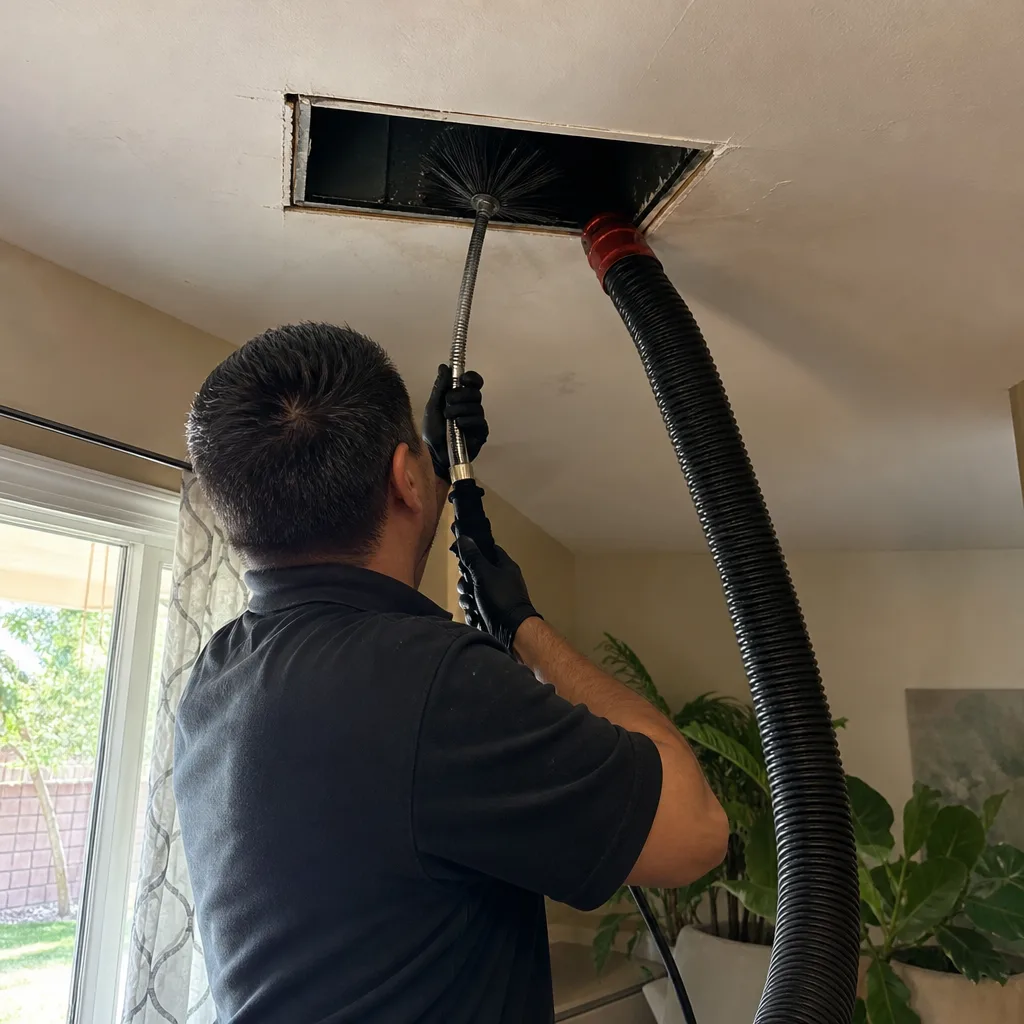
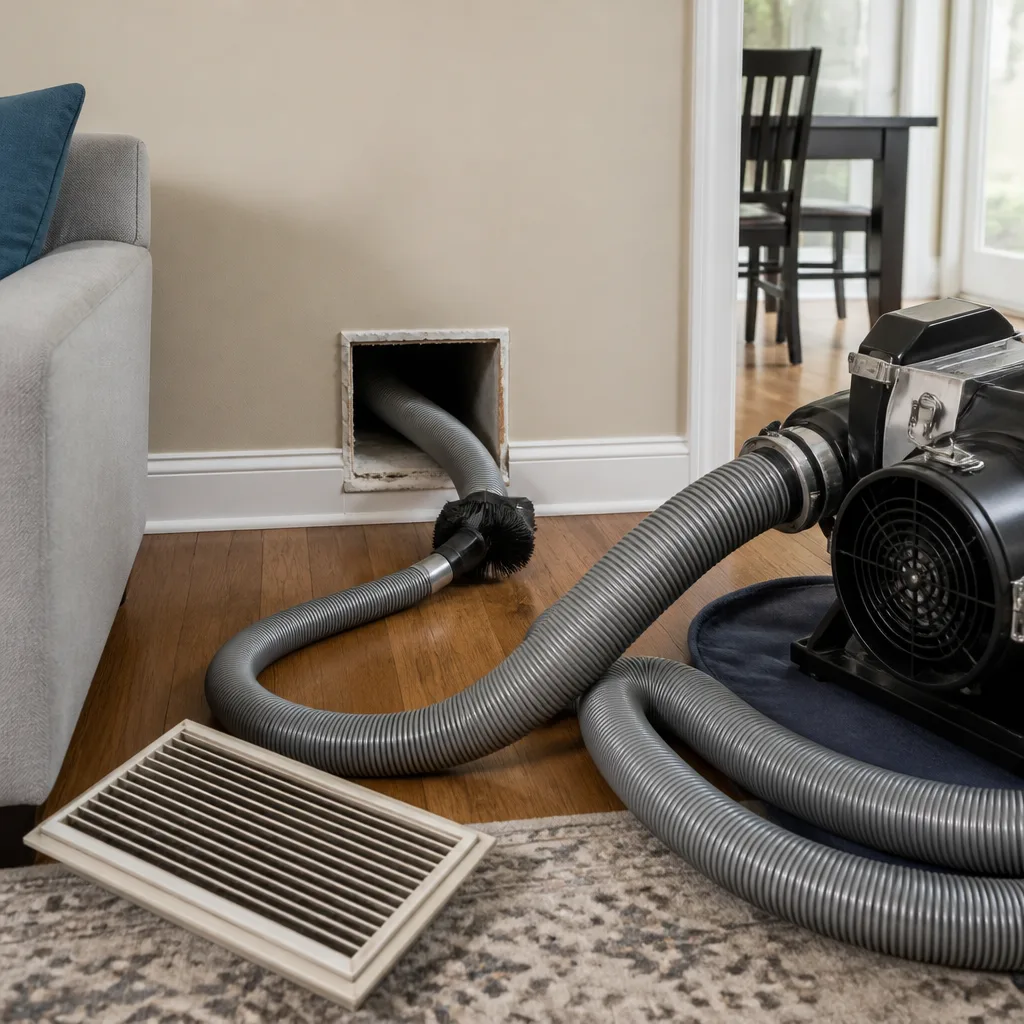 Whole-home duct cleaning
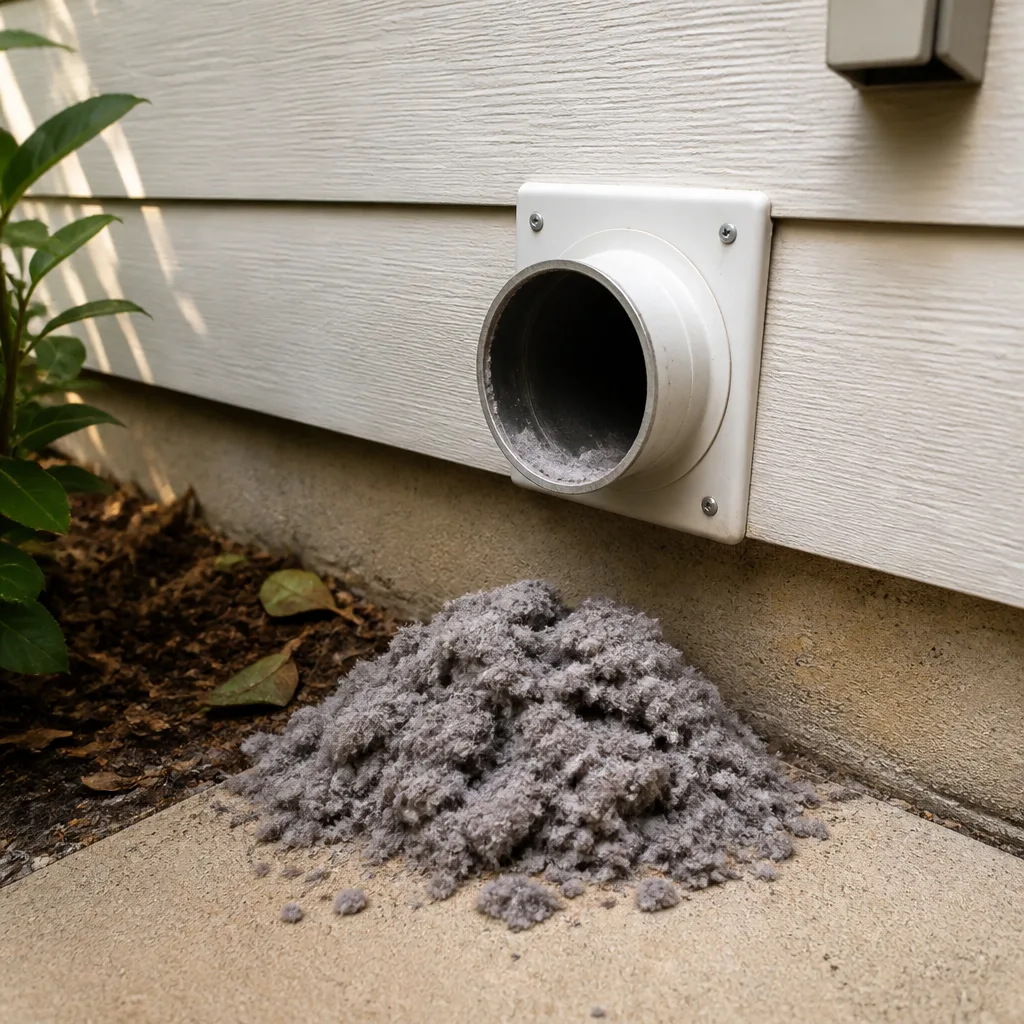 Dryer vent cleaning
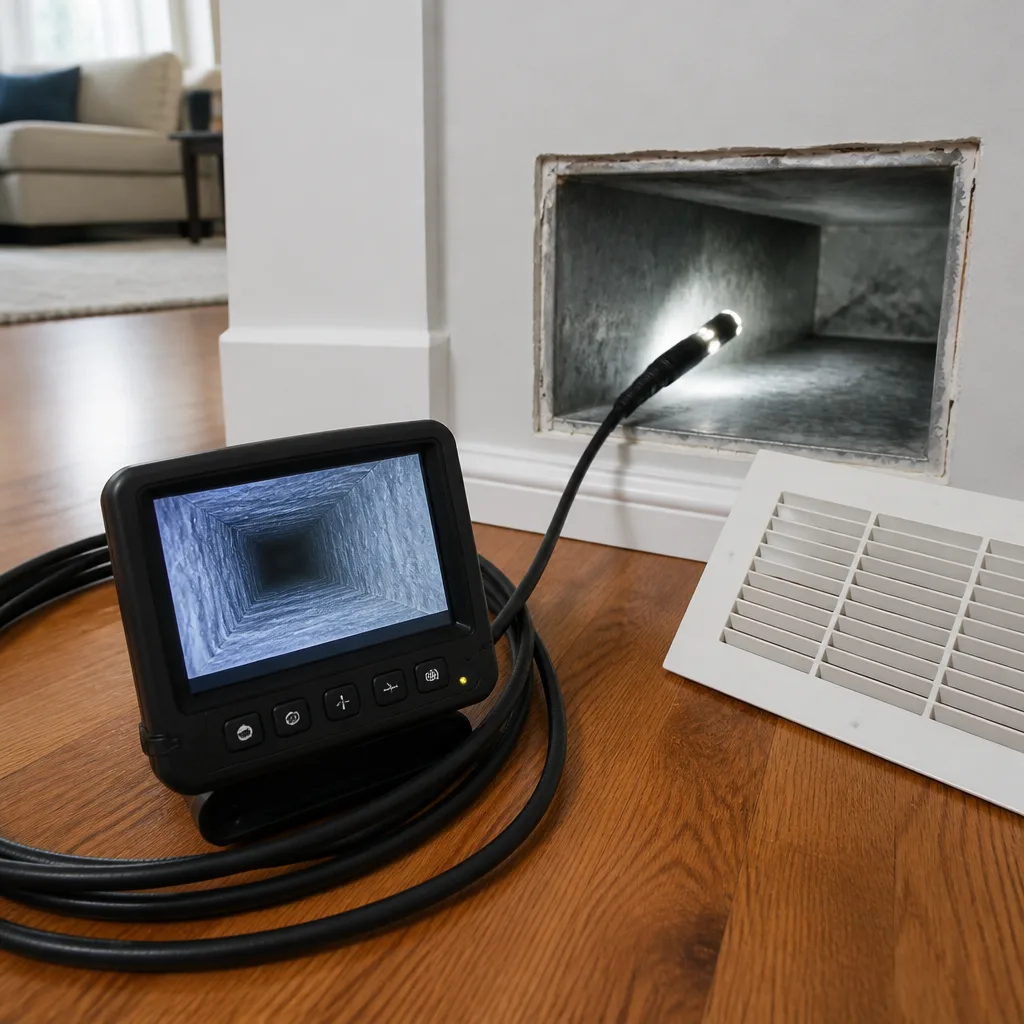 Camera inspection
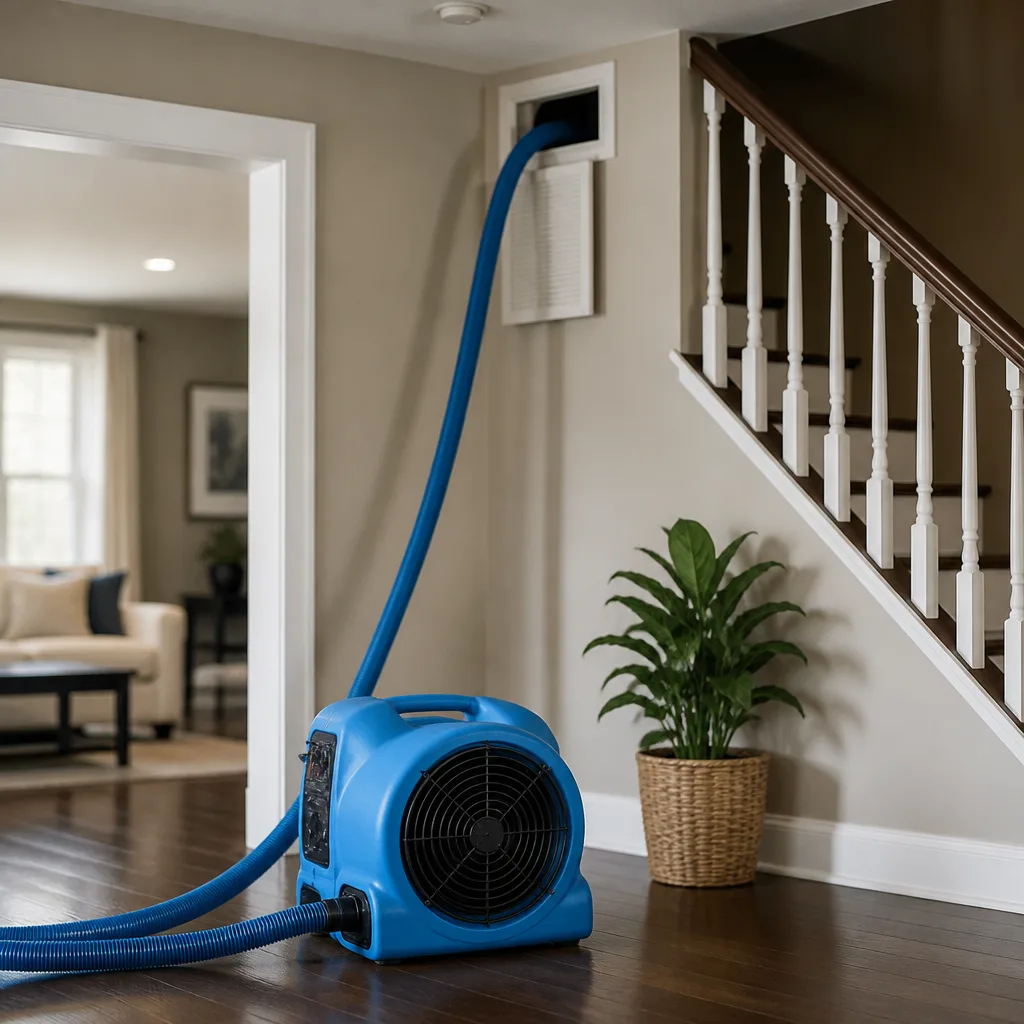 Sanitizing & deodorizing
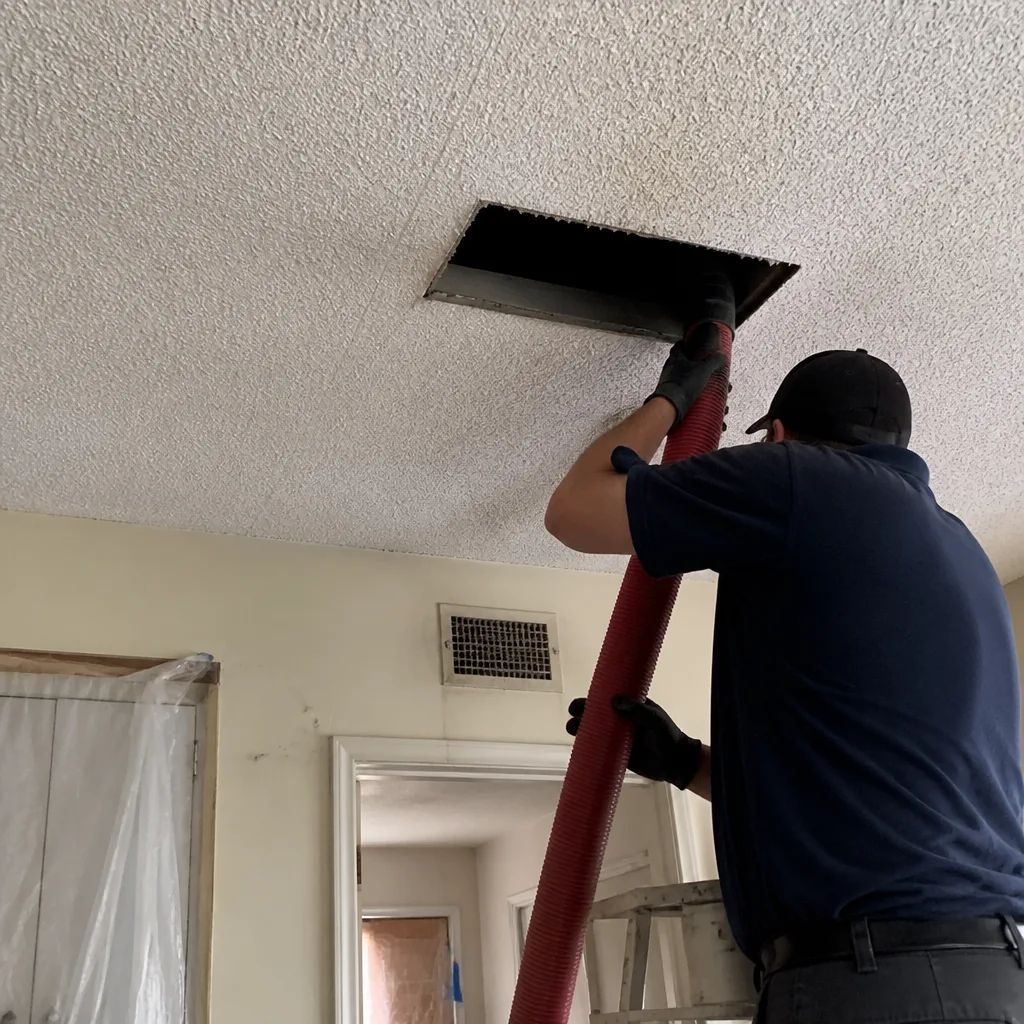
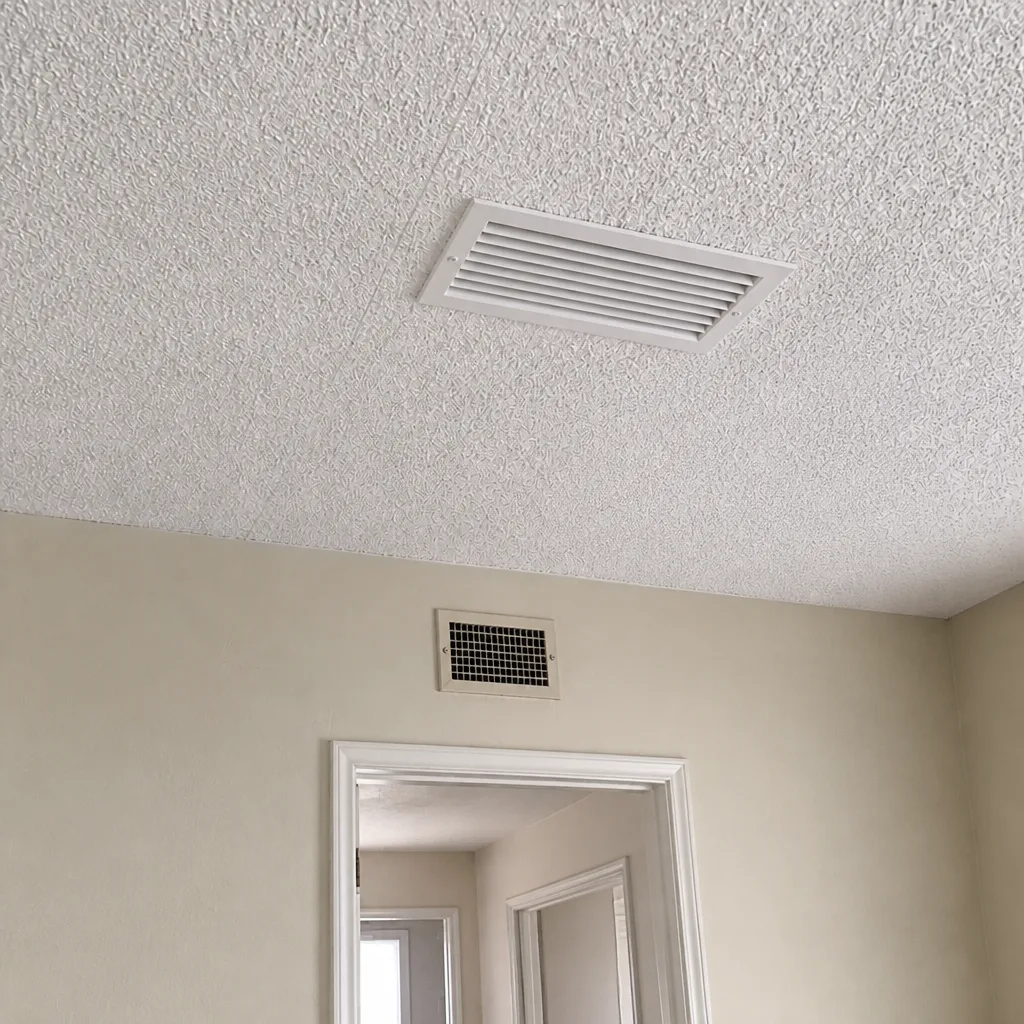
Whole-system duct and dryer vent check with before-and-after photos - you see exactly what came out of your vents
That "$99 whole-house special" is a bait ad - the real number appears once they are in your hallway, or the "clean" is a shop-vac at the register. We photograph the inside of your ducts before and after instead.
Air Duct Cleaning Troubleshooting in Simi Valley: Common Problems and How to Fix Them
If one room in your Simi Valley house is always hotter than the rest, there’s a good chance the fix is in the duct, not the equipment. Most HVAC calls never look there first. Technicians get dispatched for compressor failures, blower motor replacements, and refrigerant leaks when the real culprit is a collapsed flex run above the hallway, a breached plenum in the attic, or a debris-choked register that hasn’t been opened in years. This guide walks through how to trace symptoms to specific duct failures, what you can diagnose yourself, and when the problem needs cleaning rather than repair or replacement. You’ll learn how to pinpoint the issue before anyone puts a ladder up to your attic access.
Quick Answer
Uneven room temperatures, musty odors, rattling, and rising utility bills usually point to duct problems, not HVAC equipment failure. Start by testing airflow at each register and visually inspecting accessible duct runs with your phone camera. Dirty ducts need professional cleaning; damaged ducts need repair. In Simi Valley, specific heat cycles cause predictable flex duct sagging that locals can identify from supply-side performance loss. Duct Cleaning Simi Valley offers free estimates at (855) 353-2270 for problems that need equipment and training to resolve.
Styles & brands we work with
- Whole-home duct cleaning
- Dryer vent cleaning
- Camera inspection
- Sanitizing & deodorizing
Table of Contents
- Which Symptoms Point to Which Duct Failure
- Dirty Duct vs. Damaged Duct: The Distinction That Changes Everything
- How to Test Airflow and Inspect Ductwork Yourself
- Why Simi Valley Heat Cycles Cause Flex Duct Sagging
- Cleaning vs. Repair vs. Replacement: Decision Criteria
- Odor Troubleshooting: Musty, Burning, or Stale Air From Vents
- Common Mistakes to Avoid
- When to Call a Professional
- Frequently Asked Questions
Which Symptoms Point to Which Duct Failure
Duct problems announce themselves in patterns. The key is matching the pattern to the failure point rather than treating every complaint as a generic “airflow issue.” We’ve spent 13 years working inside Simi Valley duct systems, and the failures we see are consistent and traceable. Here’s what the symptoms mean.
One room never reaches temperature, year-round: This is the classic collapsed or disconnected flex duct signature. A flex run that has slipped off its collar or been crushed by something stored in the attic delivers almost no conditioned air to that room. The HVAC system runs longer to satisfy the thermostat, which is usually in a different room, so the rest of the house gets over-conditioned while the problem room barely changes.
High utility bills with no change in thermostat settings: Leaking ductwork in an unconditioned attic space means cooled or heated air goes into the attic instead of the living space. In Simi Valley summers, that’s expensive. The AC runs harder and longer. A typical leak of 20-30% of total airflow translates directly into longer runtimes and higher electric bills during July, August, and September.
Dust accumulates on surfaces within days of cleaning: Return-side leaks draw attic air into the system. That air carries fiberglass insulation particles, dust, and whatever else is up there. It bypasses the filter entirely and gets distributed through every supply register. If the filter is clean but dust reappears quickly, suspect a return duct breach.
Whistling or rattling near specific vents: Rattling often means a register damper has come loose or a section of rigid duct has separated at a joint. Whistling typically means high static pressure forcing air through a gap that shouldn’t exist. Both point to mechanical damage, not dirt.
Musty odor only when the system runs: This points to microbial growth or moisture accumulation inside the duct network. The duct interior is dark, and if humidity condenses there, it creates conditions for that smell. Simi Valley’s dry summers usually prevent this, but winter months and shoulder seasons with occasional rain can introduce enough moisture into a leaky attic duct system to trigger it.
Dirty Duct vs. Damaged Duct: The Distinction That Changes Everything
Here’s the critical concept most troubleshooting guides miss: cleaning a damaged duct system does nothing. It’s like shampooing a carpet that’s still soaked from a leak. The problem returns because the failure mode was mechanical, not accumulative.
Dirty ducts mean accumulated debris: dust, pet dander, pollen, construction residue, and household fibers that build up on the interior surfaces over time. This is a gradual process. Symptoms include reduced airflow as buildup narrows the effective cross-section, musty or stale smell, and visible dust puffs when the system starts. The fix is professional air duct cleaning using rotary-brush extraction. We use Rotobrush and Nikro systems that physically remove debris rather than blowing it around with compressed air.
Damaged ducts mean structural failure: separated joints, crushed flex runs, torn outer jackets, disconnected boots, or holes from rodents. Symptoms are more dramatic: total loss of airflow to one room, loud rattling, sudden dust influx, or dramatically higher energy bills. The fix is Duct Cleaning Simi Valley‘s repair service, which our technicians perform on the same visit. We can repair damaged ductwork on the spot, not just document it.
Many Simi Valley homeowners call for cleaning when the real problem is a crushed flex run they can’t see above the hallway ceiling. The duct looks dirty on camera because debris accumulates at the collapse point, but cleaning won’t restore airflow. That’s why a proper diagnosis matters before any equipment gets set up.
How to Test Airflow and Inspect Ductwork Yourself
You can gather useful diagnostic information before calling anyone. These tests don’t require special tools, and they help you have a more informed conversation with a technician.
- Register airflow comparison test: Hold a tissue or single-ply napkin near each supply register while the system runs. Note which registers barely move the tissue. Compare airflow between rooms and between upstairs and downstairs if you have both. Write down the weak registers. This is the single most useful piece of information for a technician.
- Filter condition check: Pull the filter and inspect it. A filter that’s clogged after two weeks of use in a normal Simi Valley household suggests either excess dust in the attic being drawn into return leaks, or significant duct buildup breaking loose. A filter that’s clean after three months suggests the air is bypassing it somewhere.
- Visual inspection of accessible duct runs: If you have an accessible attic, use your phone’s camera flash to photograph duct runs. Look for flex duct that hangs loosely between supports, visible kinks or sharp bends, disconnected sections, or silver tape peeling away at connections. Photograph what you find so a technician can review it before arriving.
- Register face test: Remove a few supply register covers and photograph what you see inside. You’re looking for debris accumulation in the register boot, visible mold staining, or gaps where the boot meets the drywall. A gap there lets attic air mix with conditioned air at the delivery point.
- Temperature differential check: Use an inexpensive infrared thermometer to measure air temperature at the supply registers versus the return. A 15-20 degree difference is normal for AC in summer. Less than 10 degrees while the system runs hard suggests either a refrigerant issue or significant duct leakage mixing attic air.
These steps take 30 minutes and produce a clear picture of whether you’re dealing with a dirty system, a damaged one, or both.
Why Simi Valley Heat Cycles Cause Flex Duct Sagging
Simi Valley’s summer climate creates a specific structural problem for flex ductwork. Summer daytime temperatures regularly exceed 90 degrees, often peaking near 100. The sun beats on attic roofs for hours. Even with proper attic ventilation, attic temperatures can climb to 130-140 degrees in the afternoon.
Flex duct is made of a wire coil spring wrapped in insulation and an outer plastic jacket. In sustained high heat, the outer jacket softens. The weight of the duct between supports pulls it downward between the support straps. If the straps are spaced too far apart, the duct sags significantly. Each sag creates a low point where condensation can collect and where airflow loses pressure.
The signature symptom is a supply register that performs fine during morning hours but weakens noticeably by late afternoon. That’s when attic heat peaks and the sag deepens. The same room stays comfortable in the morning, becomes stuffy by 3pm, then gradually recovers after sunset. Over a full summer, the sag can become permanent as the jacket loses its dimensional stability.
This issue is specific to how homes built in the 1970s through 1990s in Simi Valley were typically ducted: long flex runs across large attic spaces with straps placed at installation, not adjusted since. Newer construction with rigid duct or tighter strap spacing doesn’t have the same failure rate. If you can access your attic in early evening when it’s cooled down, shine a flashlight across the duct runs. Look for “U” shaped dips between support points. Those are pressure losses.
The fix is re-supporting the duct with additional strapping to restore the original slope, or replacing sagged sections with new flex pulled tight. This is a repair, not a cleaning issue. Our repair technicians handle this routinely during Simi Valley summers.
Cleaning vs. Repair vs. Replacement: Decision Criteria
When you find a duct problem, the next step is deciding what it actually needs. Here’s the decision framework we use when advising Simi Valley homeowners.
Choose cleaning when: airflow is reduced but present at all registers, debris is visible in boots and the blower compartment, the system is older but intact, nobody in the home has unexplained respiratory symptoms that began suddenly, and the ducts show no signs of physical damage. Professional air duct cleaning removes accumulated debris and restores airflow. If contamination is the concern, we have the abatement-grade tools to address it properly, including Abatement Technologies equipment.
Choose repair when: specific registers have no airflow while others work, there are visible gaps at duct connections, flex runs are crushed, sagged, or disconnected, or you can see torn outer jackets and exposed insulation. Repair restores the duct system’s integrity. Cleaning alone won’t fix any of these.
Choose replacement when: the duct system is original to a house built in the 1960s or 1970s and shows widespread deterioration, the inner liner is breaking down and blowing particles into the living space, there’s extensive rodent damage, or the system was poorly designed from the start with more leakage than can be feasibly patched. Replacement is a larger project, but sometimes the honest recommendation.
Most situations are mixed. A house might need cleaning throughout plus repair on two collapsed runs. That’s exactly the kind of job we handle in a single visit, so the homeowner doesn’t coordinate two contractors.
Odor Troubleshooting: Musty, Burning, or Stale Air From Vents
Odors from supply registers are one of the most common reasons Simi Valley homeowners call us. Here’s how to trace them.
Musty or mildew smell when the system runs: This indicates moisture inside the duct system or at the evaporator coil. In Simi Valley, the most common sources are a clogged condensate drain backing up into the drain pan, a return leak drawing humid attic air into the system during cooler months, or a section of flex duct sitting in contact with a roof leak area. The smell is strongest when the system first starts because stagnant air gets pushed out. This needs professional evaluation. Cleaning alone won’t fix a moisture source.
Burning smell when the system runs: This usually means debris on the heat exchanger or an overheating blower motor. Turn the system off and investigate. Dust burning off the heating elements at the start of the first heating season is normal and dissipates after a few minutes. A persistent burning odor is not normal. This is a safety issue, not a cleaning issue.
Stale or “dirty sock” smell: This is the classic microbial growth on the evaporator coil. The coil is cold and wet during summer operation, and if dust accumulates on it, the combination creates conditions for that smell. The fix is coil cleaning plus addressing the source of moisture and debris. This is a common issue in Simi Valley where long AC seasons mean the coil stays wet for months.
Dryer or lint smell from unrelated vents: If you smell laundry exhaust inside the house, check the dryer vent cleaning situation. A clogged or disconnected dryer vent pushes moist lint-laden air into the wall cavity or attic. That air can get pulled into return ducts and distributed throughout the house. This is a fire hazard in addition to an air quality issue. Dryer vent cleaning isn’t an add-on afterthought; it’s a fire-safety service we take as seriously as the ducts themselves.
Common Mistakes to Avoid
- Assuming weak airflow is a refrigerant issue: Many Simi Valley homeowners call an HVAC company for low refrigerant when the real issue is collapsed or disconnected ductwork. Before you pay for a refrigerant top-off, check register airflow differences. If one room is fine and another is weak, the duct is the likely culprit.
- Cleaning a damaged duct system: Rotary-brush cleaning removes debris. It cannot re-support a sagging flex run, repair a disconnected boot, or seal a leaking plenum. If the system has mechanical damage, cleaning won’t solve the performance problem.
- Ignoring return-side ductwork: Everyone looks at supply registers. But if the return duct pulls attic air into the system, all the filtered air in the world doesn’t matter. Return-side leaks are often invisible from the living space and require attic inspection.
- Using a filter with too high MERV rating for the system: High-MERV filters can restrict airflow on systems not designed for them. That increases static pressure and can cause whistling at registers or premature blower motor failure. Check your system’s recommended filter rating before upgrading.
- Storing boxes on top of duct runs in the attic: This is specific to Simi Valley homes with attic storage spaces. A box sitting on a flex run for a year will slowly crush it. The attic is not a shelf for ductwork.
- Believing a low-price cleaning coupon will solve a systemic problem: A $99 whole-house cleaning that takes 45 minutes cannot physically clean a 12-run duct system. The equipment and time required are what they are. If the price seems too good, the work will be too shallow.
When to Call a Professional
You can diagnose a lot from the ground, but some findings require professional equipment and training. Call a duct professional when you find collapsed or disconnected runs you can see, when airflow tests show major differences between registers, when odors persist after changing the filter, or when dust accumulation returns within days despite household cleaning. Any sign of moisture inside the duct system or at the evaporator coil also warrants professional attention, since moisture problems rarely resolve themselves. Duct Cleaning Simi Valley offers free estimates in Simi Valley. Call (855) 353-2270. We answer 24/7. Fast dispatch from 7am to 7pm, Sunday through Friday. We use rotary-brush extraction, not just air pressure, so debris is physically removed, not redistributed. Our technicians can also repair damaged ductwork on the spot, not just document it.
Frequently Asked Questions
Test airflow at each register while the system runs. If all registers deliver moderate but reduced airflow with visible debris in the boots, cleaning is likely the right call. If some registers deliver almost nothing while others work normally, the problem is mechanical damage like a collapsed flex run or disconnected boot, which requires repair. In Simi Valley homes with accessible attics, a visual inspection of the duct runs often settles the question quickly. Call (855) 353-2270 for a free estimate and we’ll diagnose it properly.
A single consistently hot room that never catches up usually means that room’s supply duct is compromised. The flex run may be collapsed, crushed, disconnected, or severely restricted. The thermostat, usually located in a hallway or living room, never senses the problem room’s temperature, so the system shuts down before that room gets conditioned. Fixing the duct run solves the problem.
Repair costs depend on what’s damaged. Re-supporting a sagged flex run runs less than replacing a section, which runs less than repairing a breached plenum. We provide a written estimate before work starts, and the price is set per job. Call (855) 353-2270 for a free estimate. We answer 24/7. Fast dispatch from 7am to 7pm, Sunday through Friday.
No. A shop vac cannot reach beyond the first few feet of a register boot. The duct interiors run through walls, ceilings, and attic spaces. Proper cleaning requires professional rotary-brush equipment like the Rotobrush and Nikro systems we use, which physically agitate and extract debris throughout the entire run length. Without that equipment, you’re cleaning the visible opening and leaving the rest untouched.
Simi Valley’s dry climate means fine dust is always present outdoors, but rapid indoor dust accumulation usually points to return-side duct leaks. The return system draws attic air in through gaps and tears, bypasses the filter, and distributes that unfiltered air throughout the house. Sealing the return side and cleaning the system resolves the issue. Our technicians can identify and repair those leaks during a cleaning visit.
Most homes need professional air duct cleaning every 3 to 5 years. Homes with multiple pets, recent renovations, or occupants with allergies may need it more often. The Southland’s dry season means fine particulate matter accumulates steadily, and systems that haven’t been cleaned in a decade or more usually show significant buildup. If you’ve never had the ducts cleaned and the home is more than five years old, an inspection is worthwhile.
The Bottom Line
Duct problems in Simi Valley follow predictable patterns. Uneven room temperatures point to mechanical failures like collapsed or disconnected flex runs. Musty odors point to moisture or microbial growth. Rapid dust accumulation points to return-side leaks. Each symptom maps to a specific failure mode, and each failure mode has a specific fix, whether that’s cleaning, repair, or replacement. Understanding that distinction before calling anyone means you’ll get the right service the first time. If you’ve done some basic airflow testing and found problems, call (855) 353-2270. We answer 24/7. Fast dispatch from 7am to 7pm, Sunday through Friday.
Written by the team at Duct Cleaning Simi Valley, serving Simi Valley since 2013.
See the difference
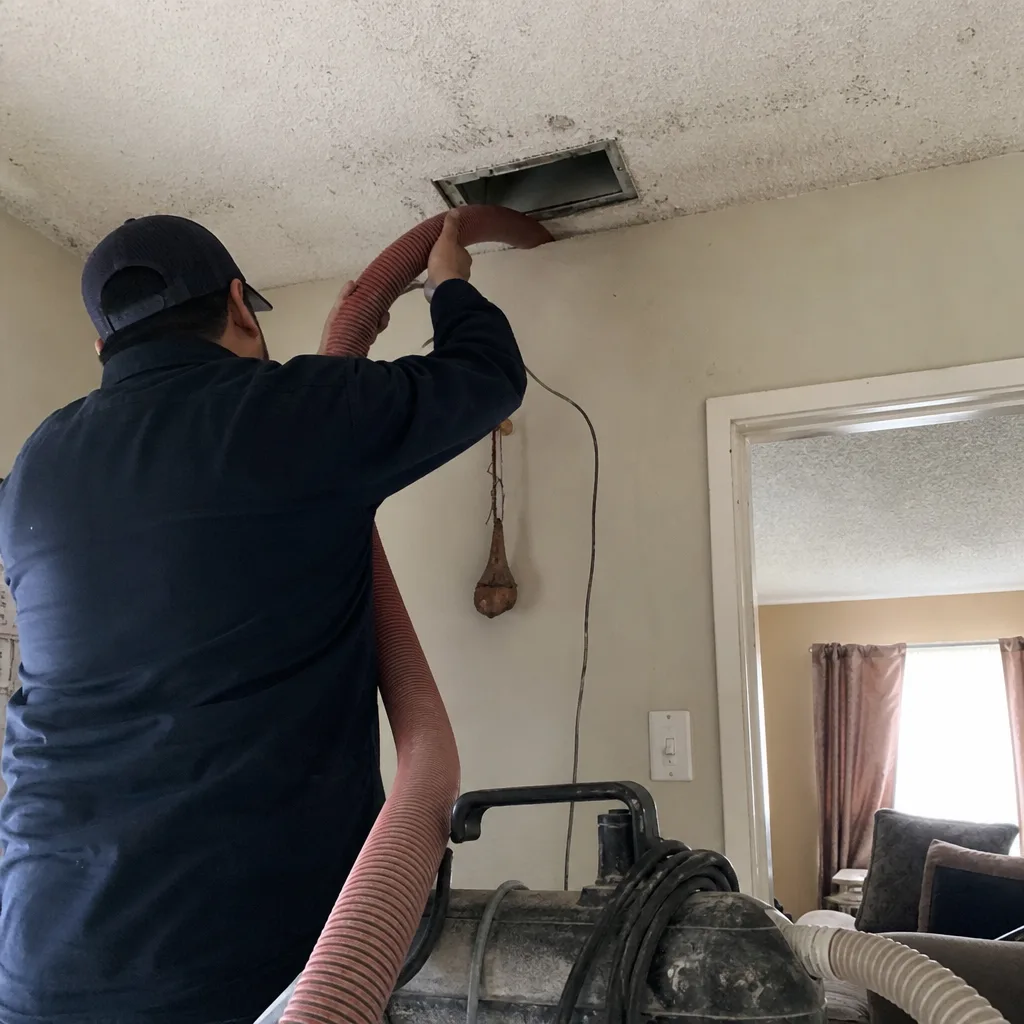 Before
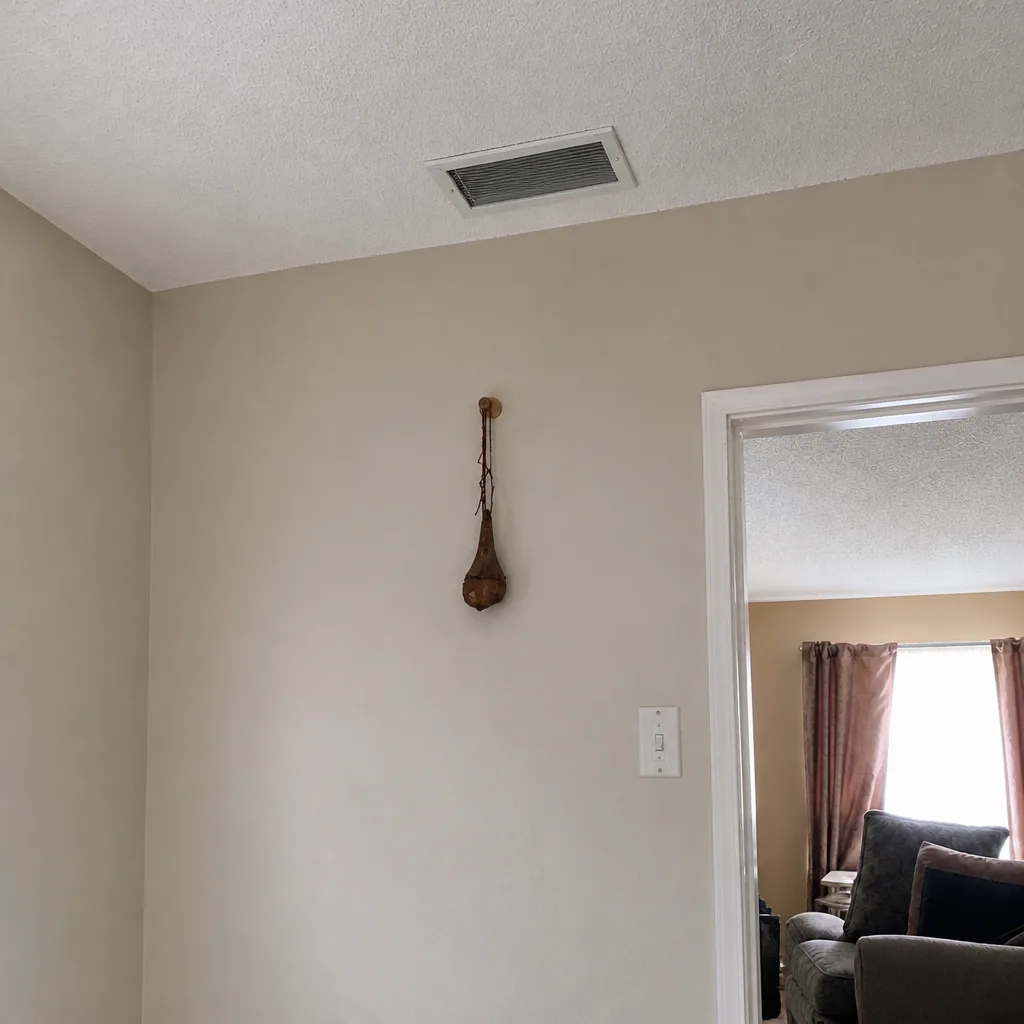 After
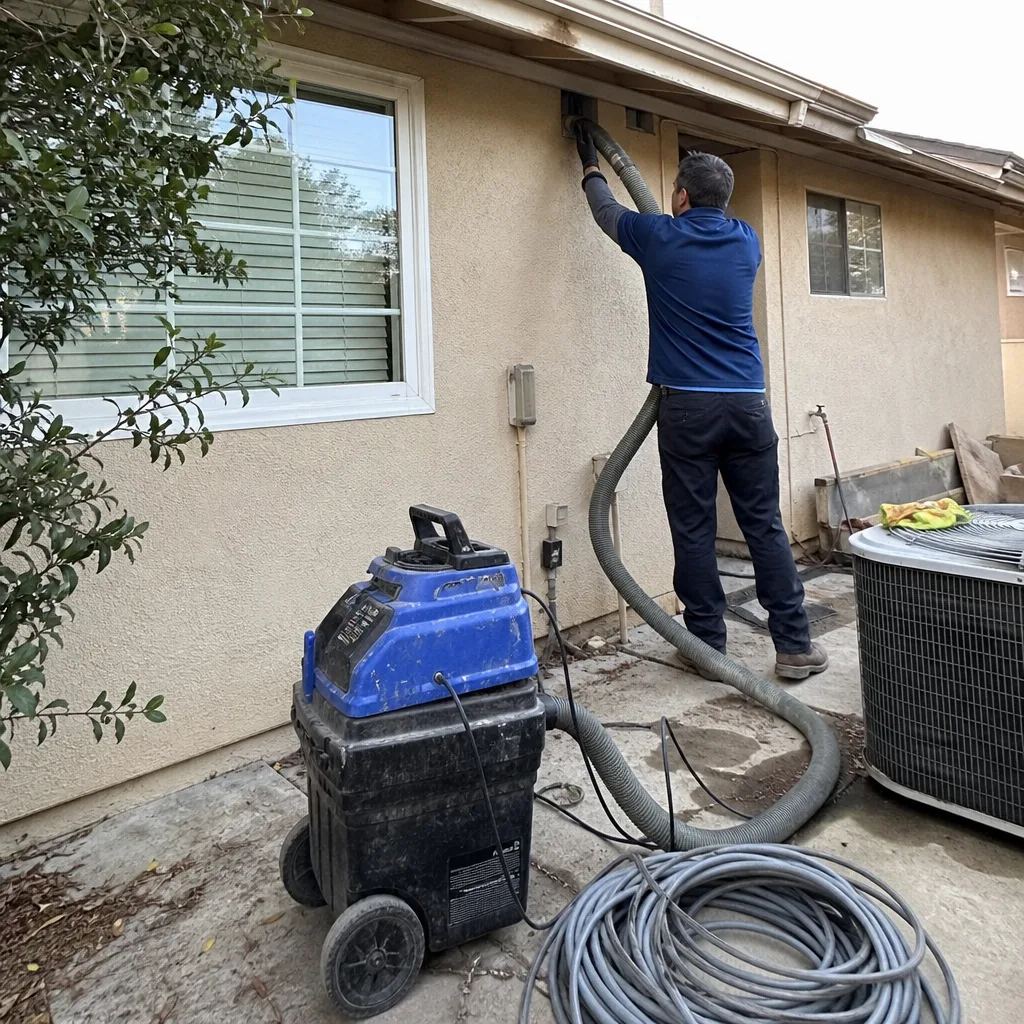 Before
 After
 Before
 After