
Last updated November 4, 2026
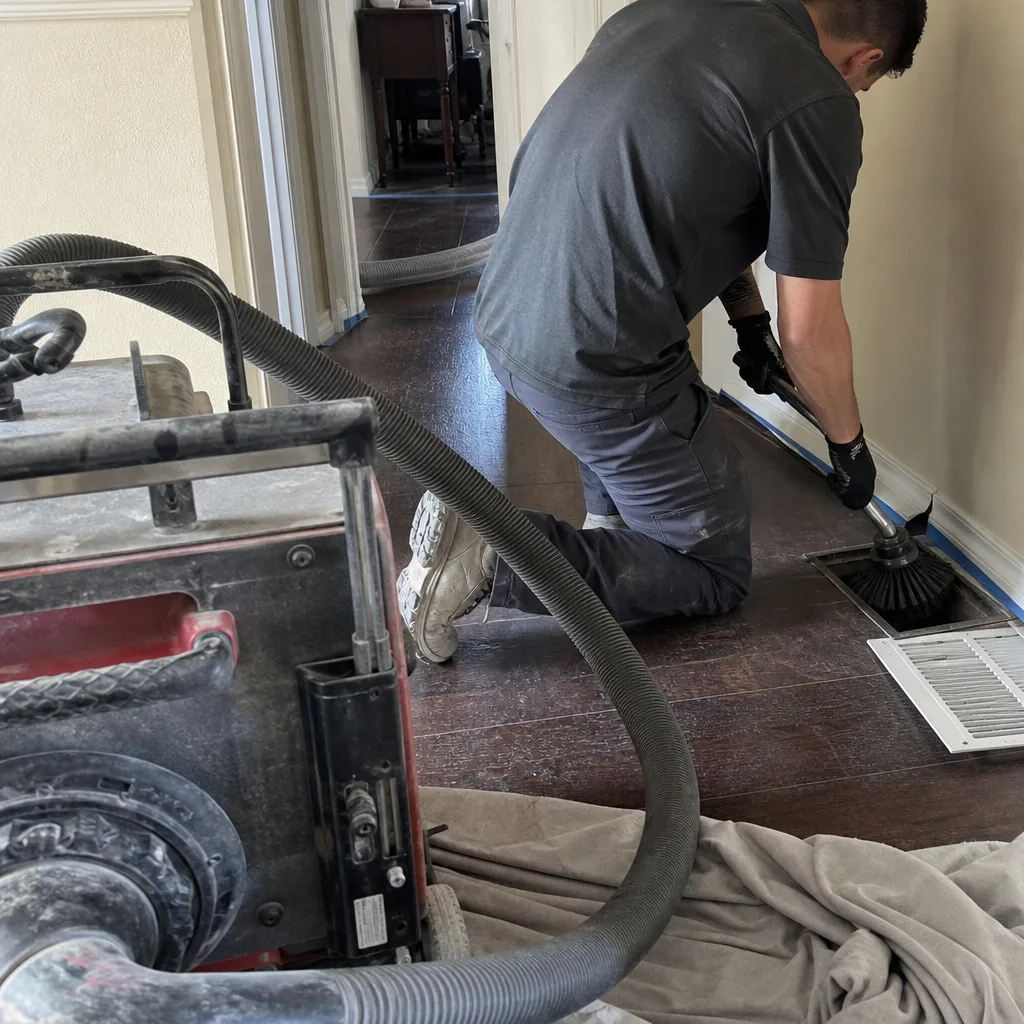
 Whole-home duct cleaning
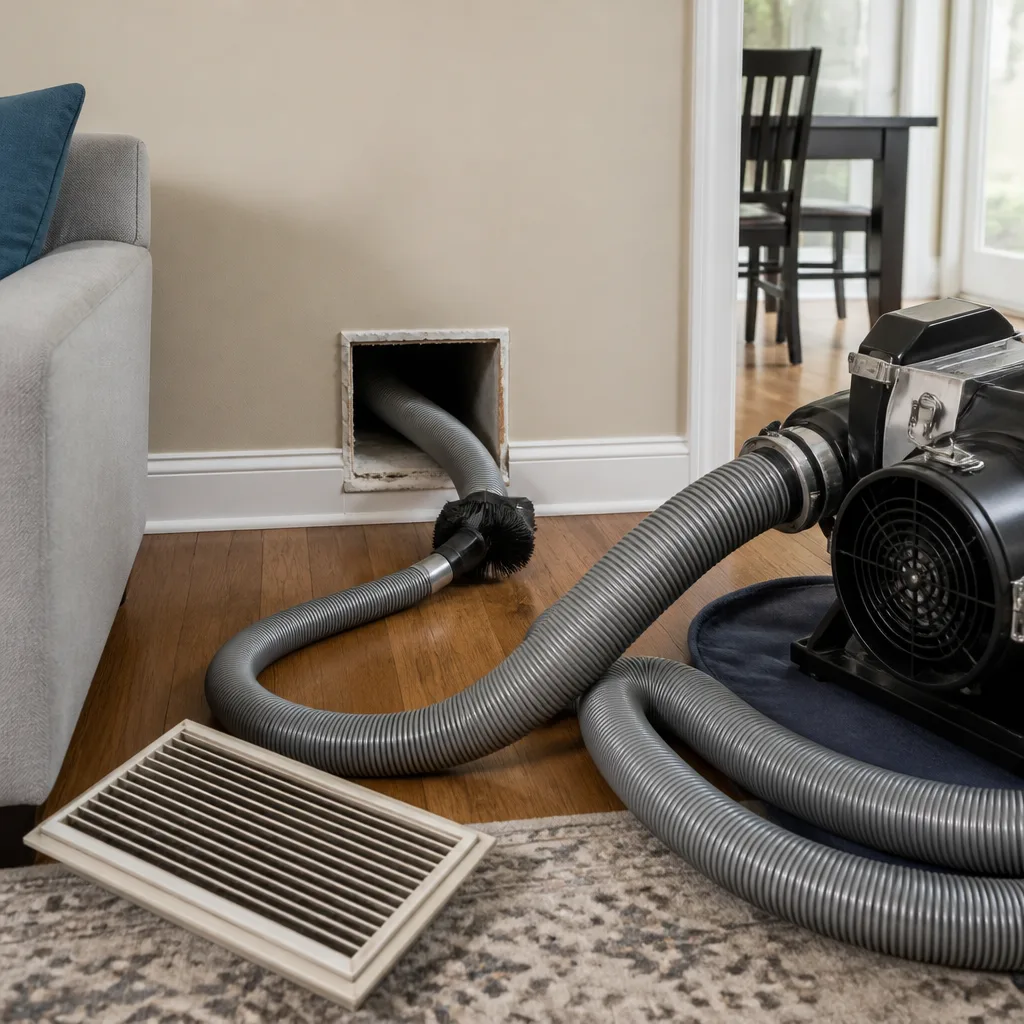
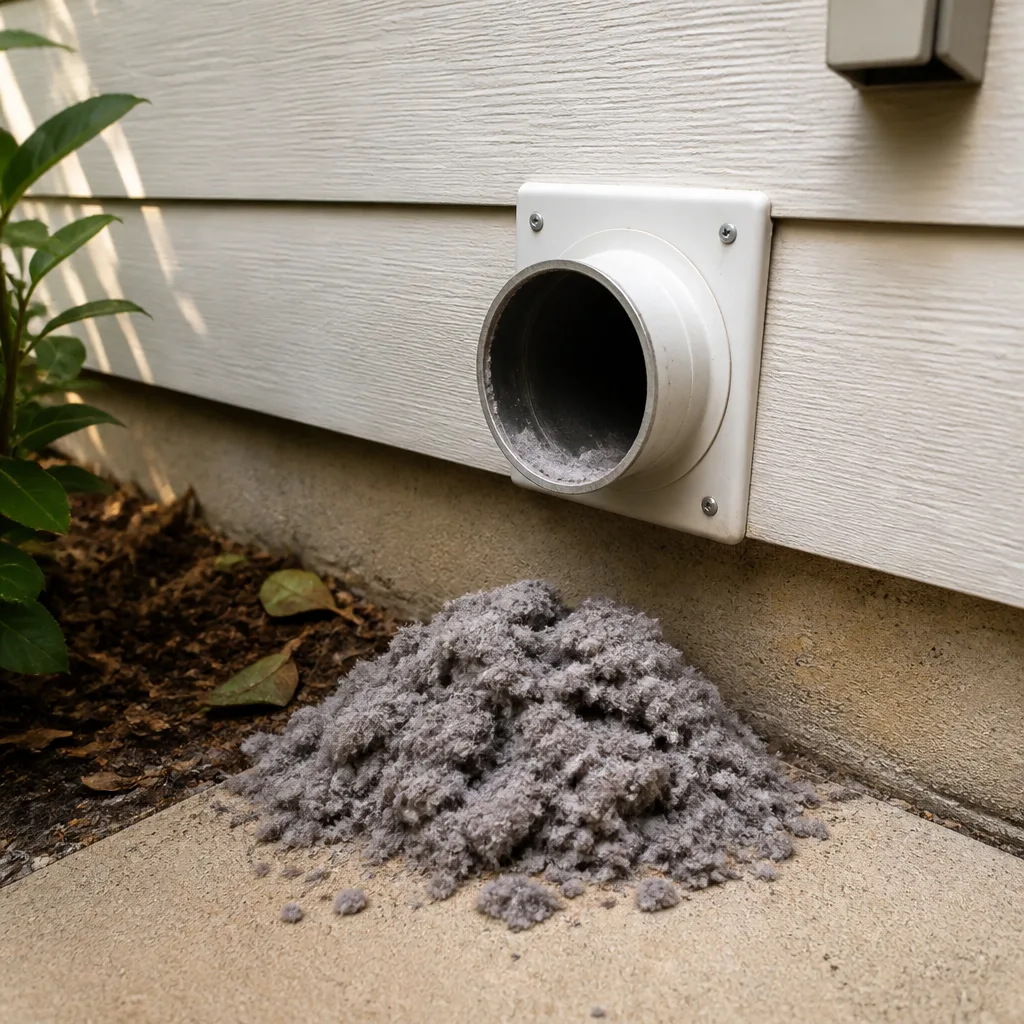 Dryer vent cleaning
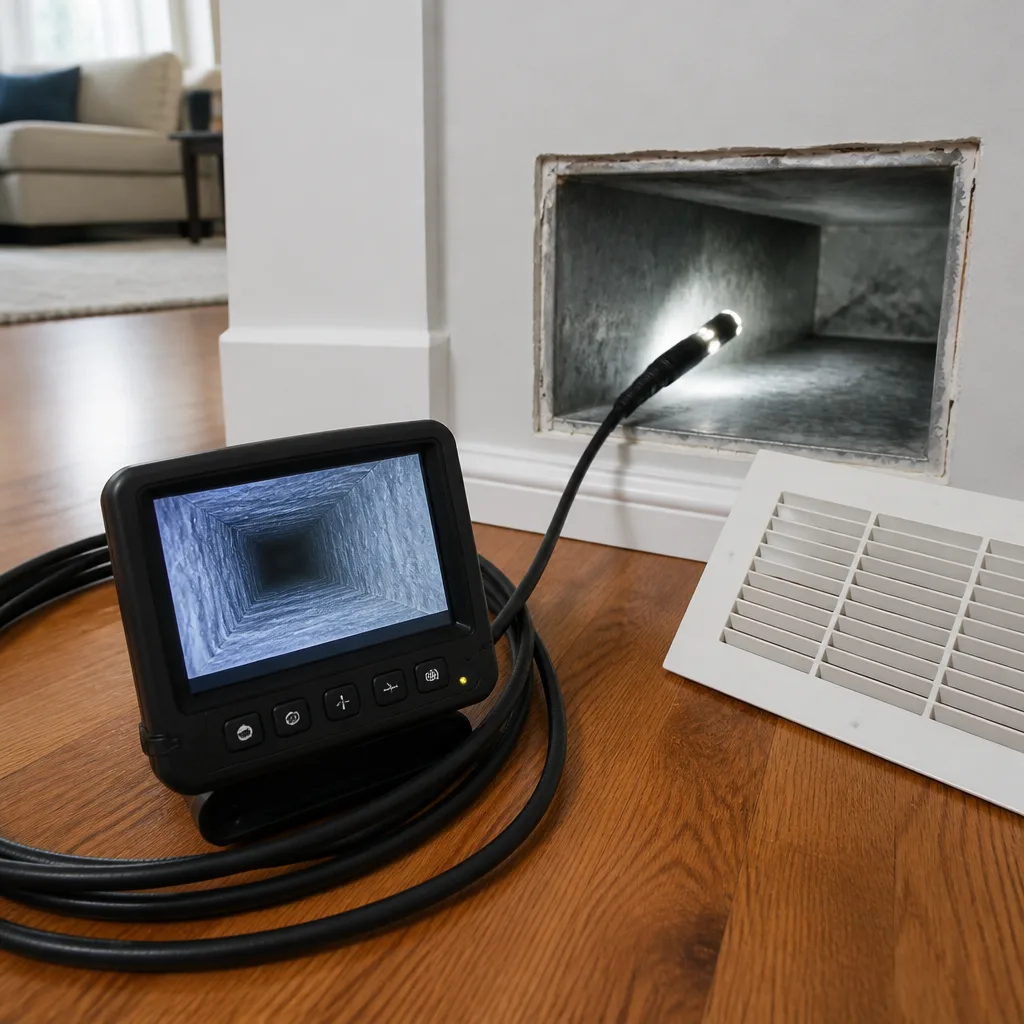 Camera inspection
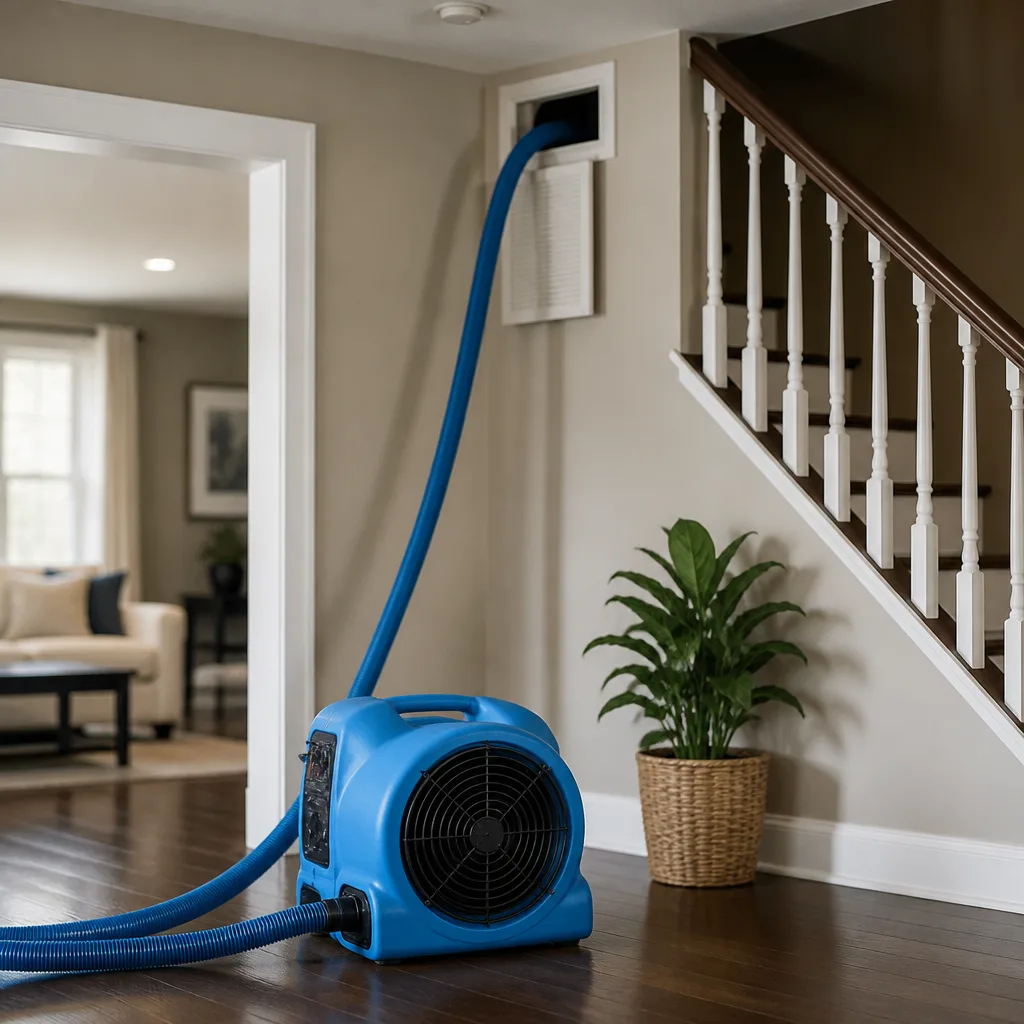 Sanitizing & deodorizing
Whole-system duct and dryer vent check with before-and-after photos - you see exactly what came out of your vents
That "$99 whole-house special" is a bait ad - the real number appears once they are in your hallway, or the "clean" is a shop-vac at the register. We photograph the inside of your ducts before and after instead.
Choosing the Right Air Duct Cleaning Brand: A Buyer’s Guide for Simi Valley
Most homeowners in Simi Valley assume a national duct cleaning brand means a consistent level of equipment and service. That assumption falls apart the moment you realize many franchise operations let each location decide what machinery to put on the truck. The same logo can arrive at your curb with a truck-mounted extraction system on Tuesday and a modified shop vacuum on Thursday. This guide will teach you how to evaluate a duct cleaning company by what matters: the equipment they run, the standard they follow, and whether the technician can explain what they found. You’ll learn the questions that separate a real cleaning from a blow-and-go, using the local market in Simi Valley as your reference point.
Quick Answer
Choosing the right air duct cleaning company in Simi Valley isn’t about the brand name on the van. It’s about the extraction equipment on the truck, the technician’s ability to explain the process, and whether the cleaning follows the NADCA ACR standard for access, agitation, and verification. A local independent running Rotobrush or Nikro rotary-brush systems will often outperform a national franchise whose branding doesn’t standardize equipment across locations.
Styles & brands we work with
- Whole-home duct cleaning
- Dryer vent cleaning
- Camera inspection
- Sanitizing & deodorizing
Table of Contents
- The Brand Problem: Why Franchise Names Don’t Guarantee Equipment
- Why Equipment Specs Matter More Than Brand Recognition
- The NADCA ACR Standard: What It Actually Requires
- Independent Operators vs. Franchise Operations in Simi Valley
- What Full-Service Indoor Air Quality Means in Practice
- How to Read Reviews for Evidence of a Legitimate Cleaning
- Seven Questions to Ask Before You Book
- Why Simi Valley Homes Need the Right Approach
The Brand Problem: Why Franchise Names Don’t Guarantee Equipment
Here’s the thing most buyers miss: a duct cleaning franchise agreement typically covers marketing, branding, and lead generation. It rarely mandates specific extraction equipment. That means the franchise owner in one territory can invest in a professional rotary-brush-and-vacuum rig while another territory, operating under the same name, sends a technician with a portable vacuum that barely has the lift to pull debris past a few feet of flex duct. Both run the same branded van. Both hand you the same branded invoice. But the cleaning performed in your Simi Valley home could be entirely different.
This isn’t a knock against franchises specifically. It’s a structural reality of how most of them operate. The franchise model gives the local owner autonomy over capital equipment purchases, and compressors, vacuums, and agitation tools represent real money. A franchisee who underinvested in equipment still benefits from the parent brand’s name recognition. A local independent operator, by contrast, lives or dies by what’s on their truck. Their reputation in Simi Valley is the only brand they have. They either run professional equipment or they don’t get repeat work.
The practical takeaway: when you’re comparing companies, don’t ask “What brand are you?” Ask “What equipment do you run and will you show it to me when you arrive?” A legitimate operator will tell you the make of their extraction system without hesitation. A company that hedges on that question is telling you something useful about what to expect.
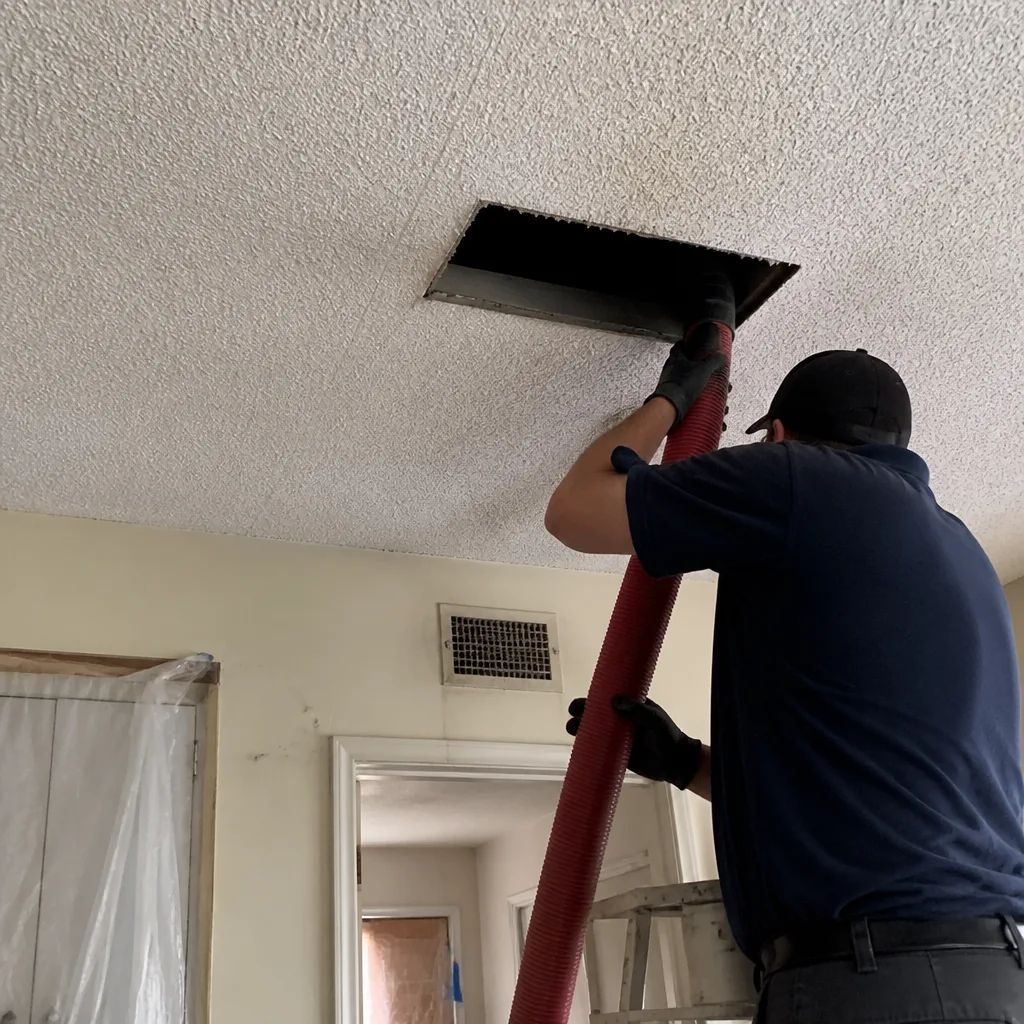
We run Rotobrush and Nikro systems for rotary-brush extraction, not just air pressure. The brush physically agitates debris off the duct walls while the vacuum pulls it out under negative pressure. Compressed air alone can knock debris loose, but it often ends up redistributing it further into the system or back into the living space. That distinction gets lost in franchise marketing, which is why you should ask about it directly.
Why Equipment Specs Matter More Than Brand Recognition
There are three tiers of duct cleaning equipment, and the company’s brand name doesn’t tell you which tier you’re getting. If you learn to spot the differences, you’ll be able to evaluate any estimate with confidence.
Tier 1: Truck-mounted vacuum systems. These run a diesel or PTO-driven vacuum that generates strong negative pressure through long hose runs. They’re effective for large residential homes and multi-story properties, and they keep the vacuum exhaust outside the living space. The downside in Simi Valley is maneuverability. Tight driveways, hillside lots, and HOA-regulated communities in neighborhoods like Wood Ranch or Big Sky can make truck placement awkward. Not impossible, but something to ask about.
Tier 2: Professional portable extraction systems. This is the Rotobrush and Nikro class of equipment. High-lift portable vacuums with HEPA filtration, paired with rotary brush heads, compressed-air agitation, and inspection cameras. The cleaning power is comparable to truck-mount rigs for most residential systems, and the portability means a single crew can clean a second-story system without running 150 feet of hose through your house. Most professional independent operators in Simi Valley run this class of equipment.
Tier 3: Shop-vac-class units and “blow-and-go” setups. This is where cheap estimates come from. A portable vacuum without the lift or filtration to actually pull debris out of a main trunk line, paired with a compressor for a quick air blast. It makes noise. It moves dust around. It doesn’t remove the debris film that’s actually clinging to the duct walls. No legitimate full-scope cleaning happens with this equipment.
When you’re comparing quotes, ask the company to name their extraction system. Then look it up. If you’ve never heard of it and they won’t tell you the make, that’s an answer. The equipment on the truck matters more than the logo on the door.
The NADCA ACR Standard: What It Actually Requires
NADCA, the National Air Duct Cleaners Association, publishes an Assessment, Cleaning, and Restoration standard for HVAC systems. It’s called the ACR standard, and it’s the closest thing the industry has to a cleaning benchmark. When a company says they “follow NADCA standards,” they’re talking about this document. Here’s what it actually specifies in terms that apply to your home:
Access. The ACR standard requires accessing the full air conveyance system, not just the registers. That means opening the supply and return plenums, often cutting access panels into the main trunk line if none exist. A legitimate cleaning involves more than sticking a hose down each vent. If a company says they clean “through the registers only,” they are not following the ACR standard.
Agitation. The standard requires mechanical agitation to dislodge debris adhered to duct surfaces. Vacuum alone won’t remove the film that builds up over years. Agitation comes from rotary brushes, compressed-air wands used by hand, or specialized whip heads on a power line. This is the step that separates a surface pass from an actual cleaning.
Verification. The ACR standard requires post-cleaning inspection. That means cameras, before-and-after photos, and a visual walkthrough of what was accessed and what was removed. A company that doesn’t show you the inside of your ducts after the job is asking you to take their word for it. A professional should be able to show you the difference.
To ask if a company follows this standard, say this: “Do you follow the NADCA ACR standard for the cleaning? Will you access the full trunk line, agitate the duct walls, and show me before-and-after photos?” If the answer to any part of that question is vague, get another quote. Simi Valley has enough qualified operators that you don’t have to settle for less.
Independent Operators vs. Franchise Operations in Simi Valley
The traditional argument for a franchise is consistency and accountability. The national brand protects you, the thinking goes, because they have a reputation to defend. In practice, the franchise relationship is between the parent company and the franchisee, not between the parent and you. Your dispute about cleaning quality is with the local owner, and the national brand will typically tell you exactly that.
A local independent operator in Simi Valley operates under a different incentive structure. Their reputation is attached to their name and their phone number, not a brand license. Reviews, referrals, and repeat business are the entire marketing engine. The result is often a higher level of accountability on the individual job, because the independent owner has no brand umbrella to hide under.
Independent operators also tend to be more transparent about their equipment, because they have to be. When a potential customer asks what system they run, they answer with a model, not a marketing line. The good ones run professional extraction equipment, follow the ACR standard, and can service the ventilation system comprehensively rather than treating the cleaning as a standalone vacuum pass.
None of this means every independent is better than every franchise. It means the franchise name itself isn’t a reliable quality signal. In the Simi Valley market, where temperatures hit the high 90s in summer and air conditioning runs for months, the system being serviced is the same regardless of the logo on the van. Evaluate the operator, not the brand.
What Full-Service Indoor Air Quality Means in Practice
Full-service IAQ is a phrase that gets thrown around, but in practice it means something specific: the company can address the entire air conveyance system, not just the duct walls. Here’s what to look for.
Duct repair capability. Ductwork ages. Seams separate, hangers fail, insulation deteriorates. A cleaning-only company that finds a disconnected return or a crushed flex duct during the job will document it and leave. A full-scope company fixes it. Air duct repair alongside cleaning is the single biggest practical difference between a duct-only operator and a real HVAC-adjacent specialist. Our technicians can repair damaged ductwork on the spot, not just document it.
Whole-home filtration familiarity. Homes with Honeywell and Aprilaire filtration or humidity control systems need a technician who understands how those components interact with duct cleanliness. A duct cleaning that ignores the bypass humidifier or the electronic air cleaner is an incomplete job. We work with the equipment already in your home, Honeywell and Aprilaire included, and clean around it, not past it.
Dryer vent cleaning as a core service. Dryer vents are part of the indoor air picture, but plenty of duct cleaning companies treat them as an add-on. A company that offers dryer vent cleaning as a core service line is thinking about the whole house, not just the HVAC registers. Dryer vent cleaning isn’t an add-on afterthought. It’s a fire-safety service we take as seriously as the ducts themselves.
Contamination capability. If mold, heavy debris, or post-remediation verification are part of the job, the equipment matters even more. Abatement-grade tools mean contaminated duct environments get addressed properly rather than just superficially cleared. If contamination is the concern, we have the abatement-grade tools to address it properly.
A duct-only operator can do a fine job on a routine cleaning. But when the system needs more than a vacuum pass, the distinction becomes obvious quickly. Ask whether the company repairs ducts, services filtration equipment, and handles dryer vents. The answers tell you what kind of vendor you’re dealing with.
How to Read Reviews for Evidence of a Legitimate Cleaning
Generic positive reviews are easy to produce and hard to trust. “Great service, friendly technician” could describe a pizza delivery. When you’re evaluating a duct cleaning company in Simi Valley, look for review language that indicates the reviewer actually received a substantive cleaning. Here’s what separates signal from noise.
Language that signals a legitimate cleaning:
- Mentions of equipment types: “They used a rotary brush system” or “the truck-mounted vacuum ran the whole time.”
- References to access points: “They cut an access panel in the trunk line” or “they opened the air handler.”
- Before-and-after verification: “They showed me the camera footage” or “I could see the difference in the photos.”
- Specific problems found and fixed: “They found a disconnected return in the crawl space and repaired it.”
- System-level detail: “They cleaned the coils and the blower, not just the registers.”
Language that signals anything or nothing:
- “Nice guys, on time.” These are baseline professional courtesies, not evidence of a cleaning.
- “Quick and efficient.” Speed is not the point of a proper job. A real cleaning takes hours on a full system.
- “Affordable.” This word tells you about the price, not the result.
- No mention of equipment, access, verification, or what was actually done.
Read reviews like a contractor would. Look for the nouns: equipment, access, camera, repair, coil, blower. When a reviewer can name what happened, the job probably happened the way it was described. When all the reviews read like customer-service surveys, you’re looking at a marketing funnel, not a track record.
Seven Questions to Ask Before You Book
Use this list when you call for estimates. It works for any company, national brand or local independent. A legitimate operator answers all seven without hesitation.
- What extraction system do you run, and what’s the make and model? If they name a professional system (Rotobrush, Nikro, a truck-mounted vacuum) you know the equipment class. If they stall, move on.
- Do you follow the NADCA ACR standard for cleaning? Ask what that means for access, agitation, and verification. They should be able to explain it in plain language.
- Will you access the full trunk line and the air handler, or just clean through the registers? Register-only cleaning is not a legitimate full-system cleaning.
- Do you repair ducts, or just clean them? If they find a leak or a disconnection during the job, what happens? A cleaning-only company documents it and leaves. A full-scope company fixes it.
- Can you service the filtration and humidity equipment in the home? If you have a Honeywell or Aprilaire system, the technician needs to understand it. Ask directly.
- Do you clean dryer vents as a separate service? A company that treats dryer vents as a core fire-safety service, not an upsell, is thinking about the whole home.
- Will you show me before-and-after photos of my ductwork from the camera? Verification is part of a professional job. If they can’t show you the inside of your ducts, you can’t verify anything.
Write the answers down. Compare them across companies. The pattern will be obvious faster than you expect.
Why Simi Valley Homes Need the Right Approach
Simi Valley’s climate shapes how duct systems age and what they accumulate. Summers here run hot, with stretches in the high 90s and occasional triple-digit days pushing air conditioning systems to run for months on end. The Duct Cleaning Simi Valley systems we see reflect that duty cycle. Continuous runtime means more air passing through the filtration system, which means filters load faster and the ductwork accumulates a fine, clay-like dust that settles into the return trunks and supply branches.
The valley’s geography also plays a role. Simi Valley sits inland, ringed by hills, in a semi-arid climate with persistent dust and seasonal wildfire smoke from surrounding areas. That particulate load makes its way into homes through the ventilation system, settling in ductwork and getting recirculated when the HVAC runs. Homes here that aren’t cleaned regularly develop a specific kind of buildup: fine, powdery, evenly distributed across the entire duct surface.
Housing stock in Simi Valley spans decades, from mid-century ranch homes in the older central neighborhoods to newer construction in developments on the edges of the valley. Older homes often have original metal ductwork, some with asbestos wrap that predates modern insulation standards. Newer homes typically run flex duct, which needs a different agitation approach: too aggressive and you tear the lining, too gentle and you don’t remove the debris. A technician who understands the difference is essential.
For a home in Simi Valley, the right duct cleaning approach looks like this: professional negative-pressure extraction, full trunk-line access, mechanical agitation appropriate to the duct material, filtration and coil cleaning where needed, and camera verification at the end. That’s the standard to hold any company to, regardless of the brand on their van.
Common Mistakes to Avoid
- Choosing based on the lowest quote. A duct cleaning priced dramatically below the local market is priced that way because something is being left out: access, agitation, verification, or all three. The written estimate is the only number that matters.
- Assuming a franchise name guarantees quality. Franchise agreements don’t standardize equipment. The same logo can arrive with vastly different machinery depending on the location.
- Booking a register-only cleaning. If the company won’t access the trunk line and air handler, they’re not doing a full-system cleaning no matter what they call it. Ask directly.
- Skipping the verification step. If you don’t see before-and-after photos from inside the ductwork, you have no way to confirm the work was actually done. A legitimate company shows you.
- Neglecting the dryer vent. A clogged dryer vent is a fire risk independent of the HVAC system. Choosing a company that treats it as a core service, not an optional add-on, gets both problems handled in one visit.
- Ignoring duct repair capability. If the cleaning finds a leak, a disconnection, or damaged flex duct, a cleaning-only company leaves you with a follow-up problem and a second contractor. A full-scope company fixes it on the spot.
- Trusting reviews that lack detail. “Friendly and professional” could describe any service. Look for reviews that name equipment, access points, and verification. Those are the ones that reflect a real cleaning.
See the difference
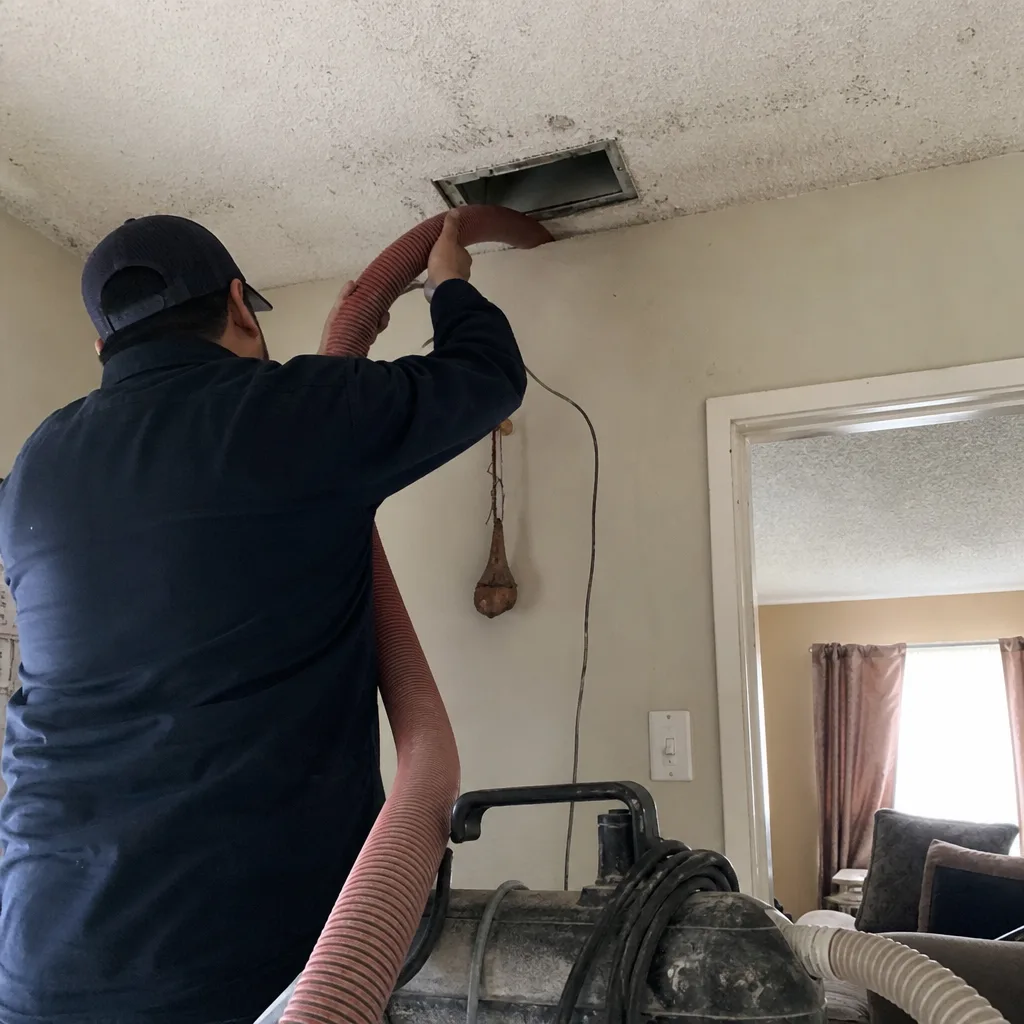 Before
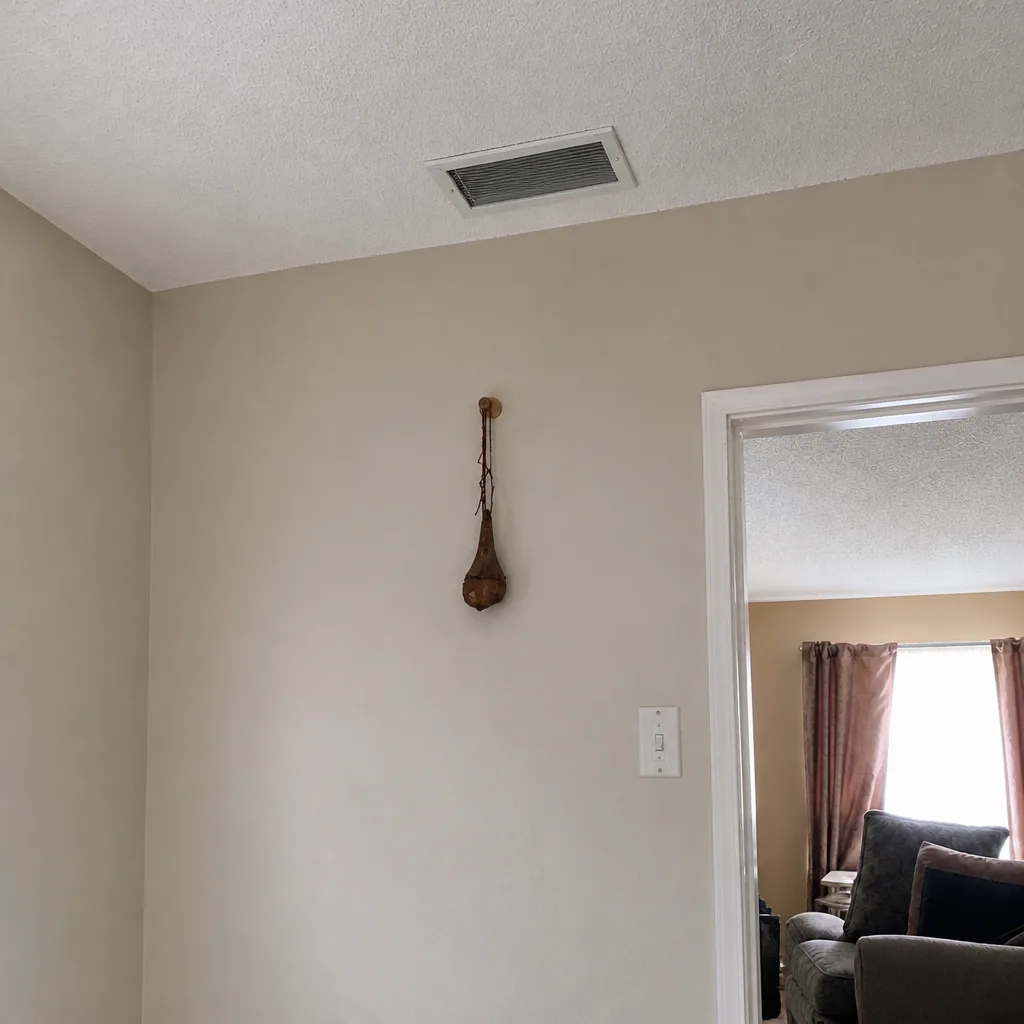 After
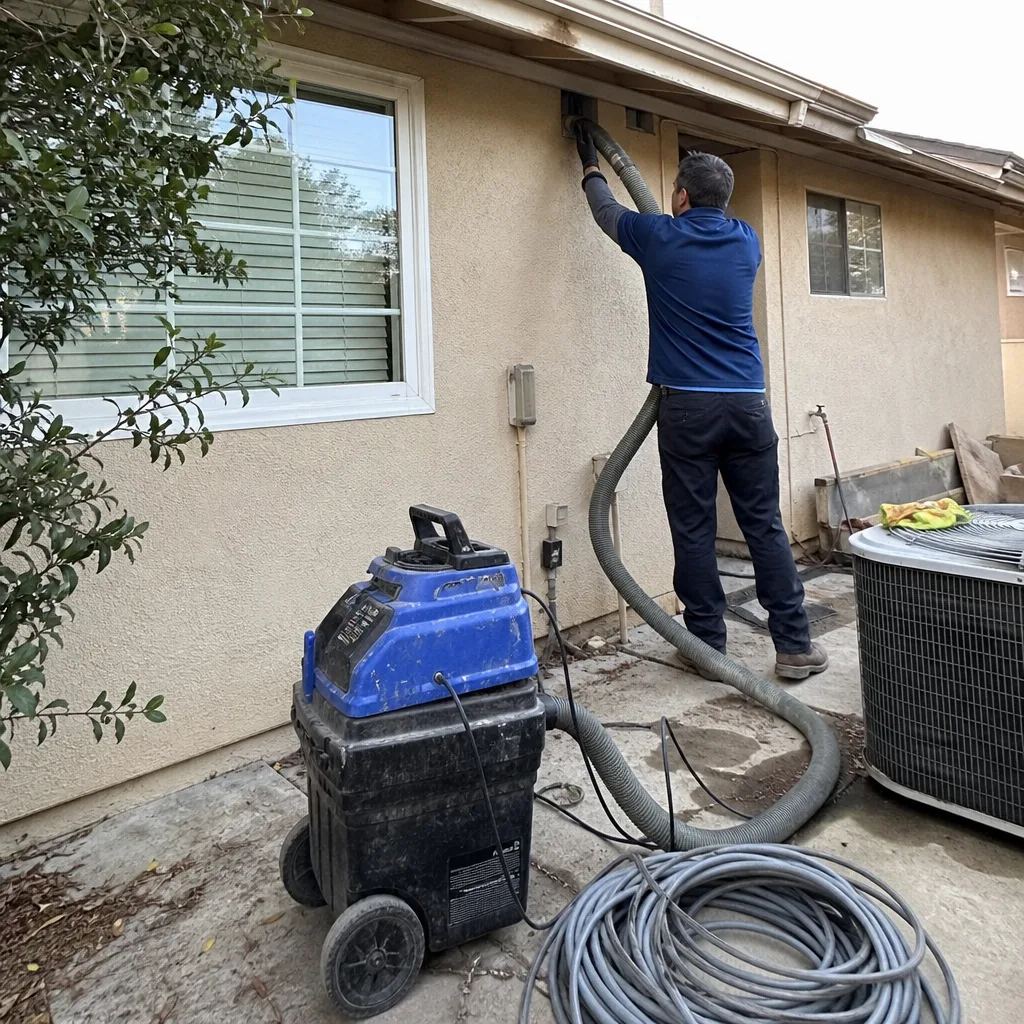 Before
 After
 Before
 After
When to Call a Professional
Some situations clearly warrant a professional rather than a DIY attempt or a delay. If you’ve just completed a renovation in Simi Valley and the drywall dust has migrated through the entire house, the ducts need a full extraction, not a filter change. If you moved into a home with unknown duct maintenance history, a camera inspection and cleaning establishes a clean baseline. If a family member’s allergies spike when the HVAC cycles on, the system is likely recirculating particulate from inside the ductwork. If you see visible dust at the registers after cleaning your home, the ducts are the source. And if the dryer takes longer than one cycle to finish clothes, the vent is restricted and needs attention from the same professional who handles the ducts. Duct Cleaning Simi Valley offers free estimates in Simi Valley. Call (855) 353-2270. We answer 24/7. Fast dispatch from 7am to 7pm, Sunday through Friday.
Frequently Asked Questions
A legitimate company will name their extraction equipment, follow the NADCA ACR standard, access the full trunk line and air handler, and show you before-and-after camera photos. If any of those four elements is missing or vague, get another estimate.
A professional runs a negative-pressure extraction system: either a truck-mounted vacuum or a high-lift portable unit from a manufacturer like Rotobrush or Nikro, paired with mechanical agitation tools and an inspection camera. Compressed-air-only cleaning without adequate vacuum lift doesn’t remove debris; it redistributes it.
No. Franchise organizations generally don’t standardize equipment across locations, so the quality of the cleaning depends on the local franchisee’s investment in machinery and training. A local independent with professional-grade equipment will often outperform a franchise with weak equipment and strong branding.
Whole-system cleaning in Simi Valley typically runs several hundred dollars, with the final price set by the written estimate based on system size, access difficulty, and contamination level. Be wary of quotes that are dramatically lower than the local range; they usually leave out access, agitation, or verification.
If allergens have accumulated inside the ductwork, removing that reservoir can reduce what the HVAC system recirculates. Combined with proper filtration and regular filter changes, a properly executed cleaning addresses one source of indoor particulate, though it’s not a substitute for source control and ventilation.
Yes. Drywall dust, sawdust, and construction debris migrate into the duct system during renovation work and will recirculate through the home until physically removed. A full extraction with trunk-line access and verification is the appropriate remedy, not a simple filter change.
The Bottom Line
The brand name on a duct cleaning van tells you very little about what will happen inside your home. What matters is the equipment on the truck, the standard the technician follows, and the scope of the work actually performed. Independent operators in Simi Valley with professional extraction systems, ACR-standard cleaning, repair capability, and camera verification will consistently outperform franchise operations whose marketing outpaces their machinery. Ask the seven questions. Read reviews for evidence, not sentiment. And hold any company you hire to the standard described in this guide, because the air in your Simi Valley home shouldn’t depend on a logo.
Written by the team at Duct Cleaning Simi Valley, serving Simi Valley since 2013.