
Last updated November 4, 2026
 Whole-home duct cleaning
 Dryer vent cleaning
 Camera inspection
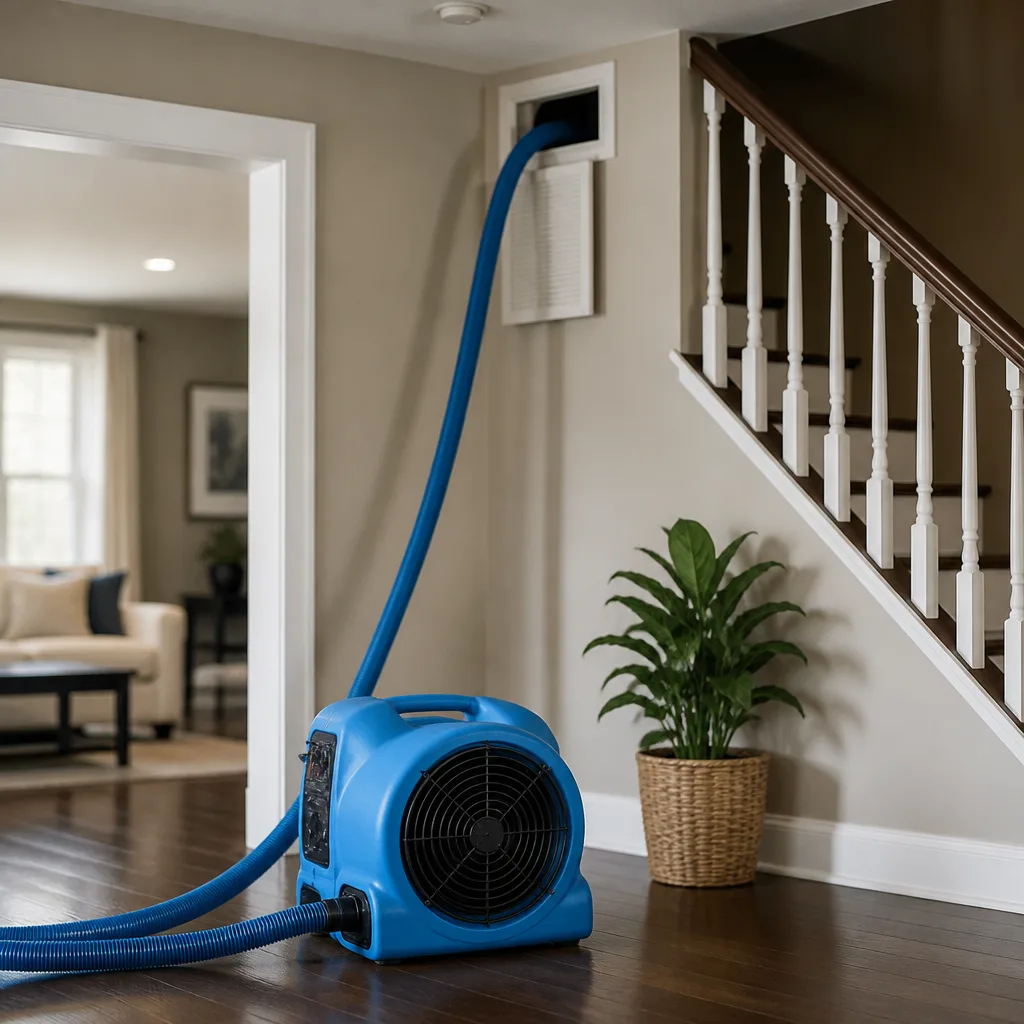 Sanitizing & deodorizing
Whole-system duct and dryer vent check with before-and-after photos - you see exactly what came out of your vents
That "$99 whole-house special" is a bait ad - the real number appears once they are in your hallway, or the "clean" is a shop-vac at the register. We photograph the inside of your ducts before and after instead.
Seasonal Air Duct Cleaning Care for Simi Valley: Year-Round Homeowner’s Guide
Most seasonal HVAC advice is written for places with frozen pipes and snow load, and it falls apart when you apply it to Simi Valley. Our climate doesn’t punish ductwork with ice. It punishes it with wind-driven grit, wildfire smoke, and an air conditioner that runs for months without rest. The result is a different maintenance calendar entirely. This guide walks through what actually stresses ducts in Simi Valley at each point in the year, what you can check yourself, and when the right response is a professional cleaning or repair.
Quick Answer
In Simi Valley, duct cleaning isn’t one annual event. It should follow the local stress calendar: a post-summer particulate flush in early fall before Santa Ana winds arrive, a moisture and condensation check during winter rains, a pre-cooling-season cleaning in spring, and lighter mid-summer monitoring focused on filter loading. Homes with pets, recent renovation work, or wildfire smoke exposure should add an extra cleaning or inspection cycle.
Styles & brands we work with
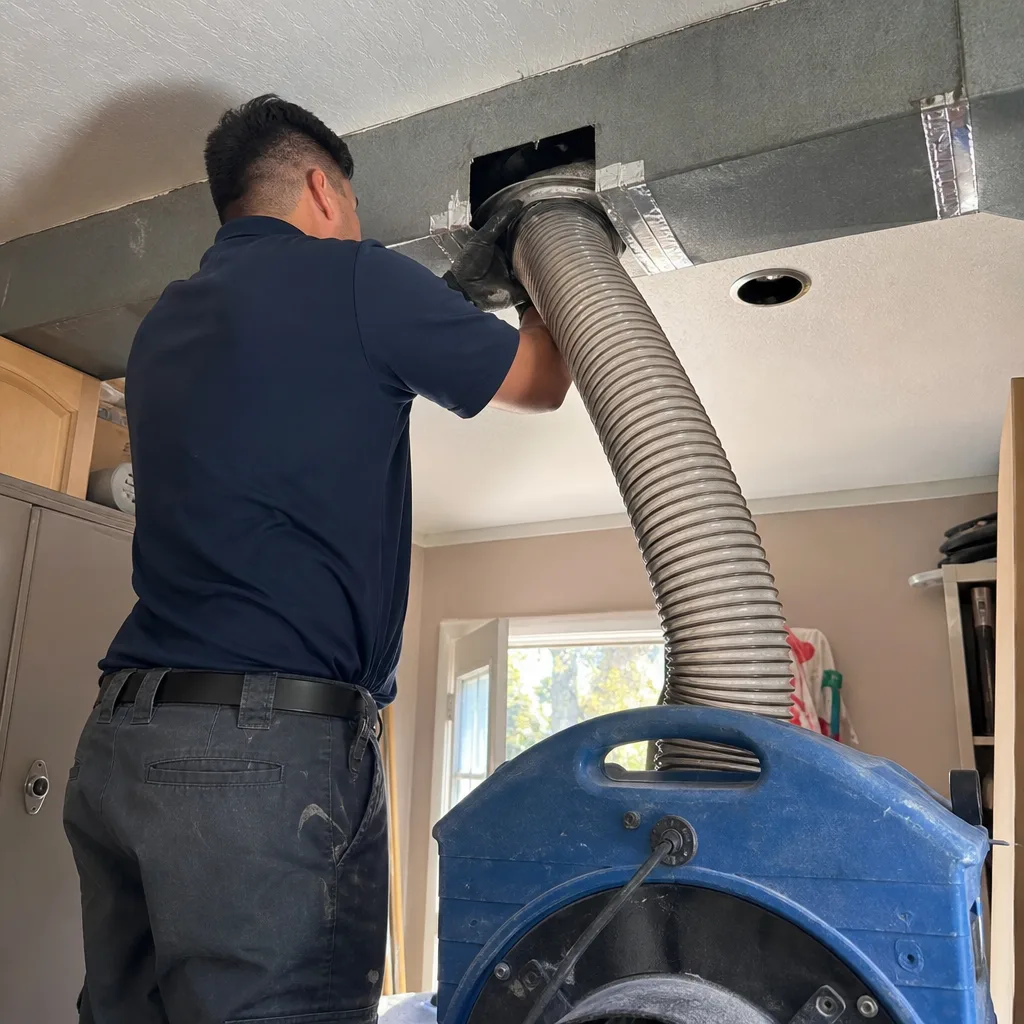
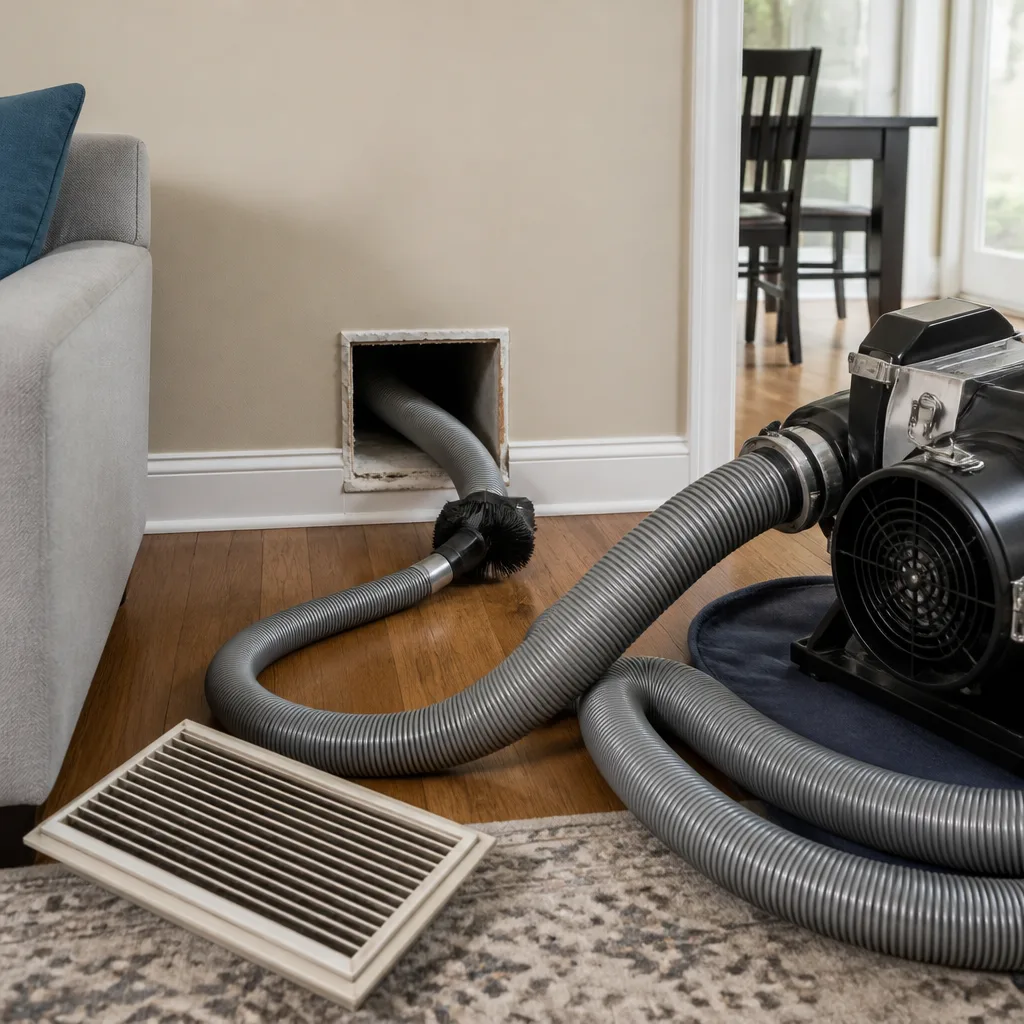
- Whole-home duct cleaning
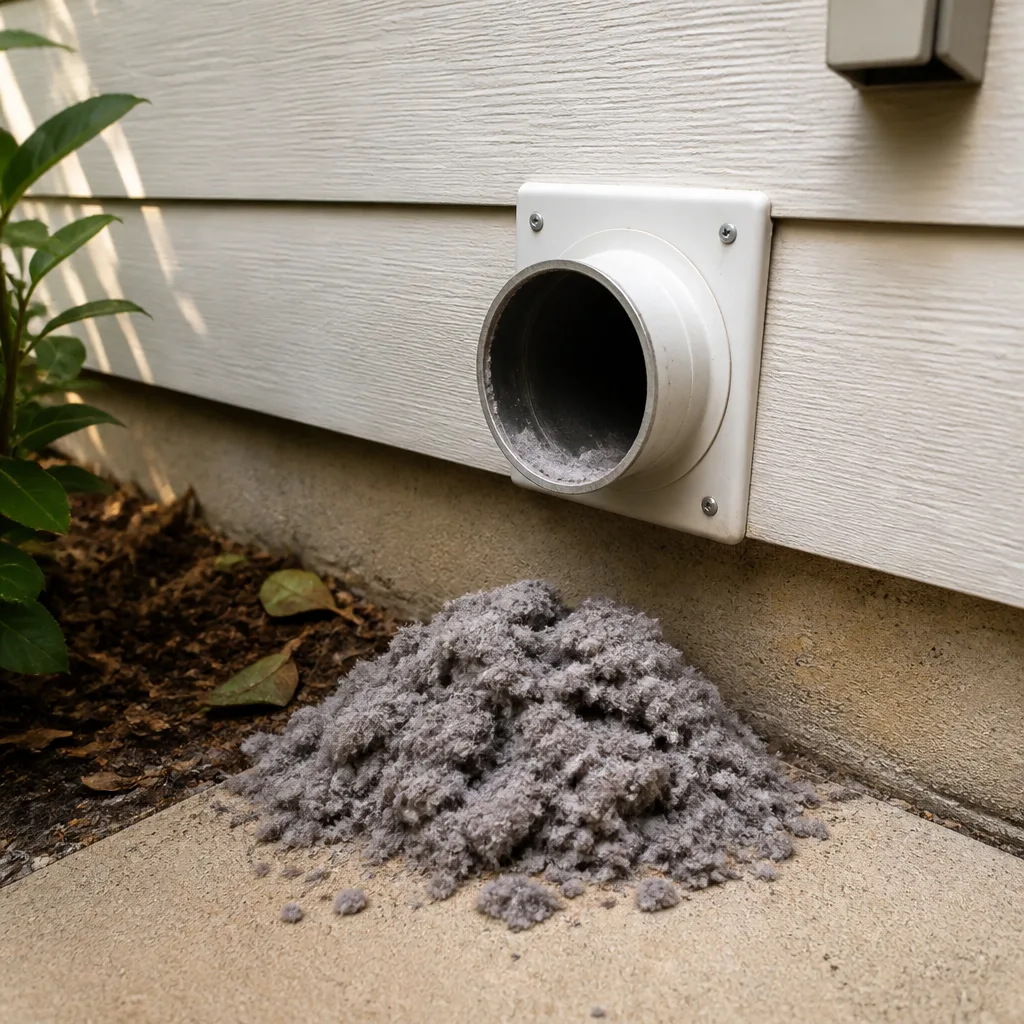
- Dryer vent cleaning
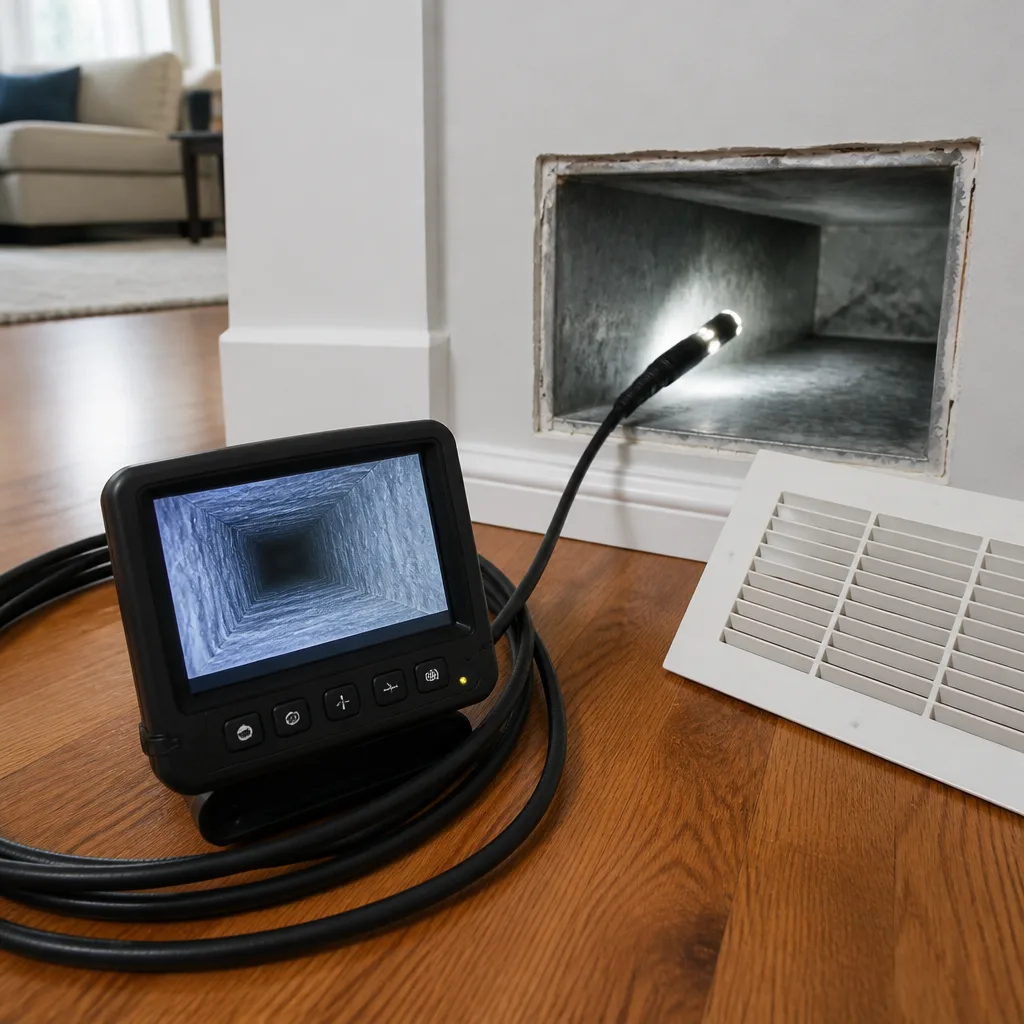
- Camera inspection
- Sanitizing & deodorizing
Table of Contents
- The Real Simi Valley Seasonal Calendar
- October – December: Santa Ana Winds and Fire Season
- January – March: Rain, Humidity, and Off-Cycle Condensation
- April – June: The Pre-Cooling Season Window
- July – September: Peak Runtime and Filter Loading
- Post-Event Protocol: After a Wind Event or Smoke Advisory
- When Cleaning Isn’t Enough: Duct Repair
- Common Mistakes to Avoid
- When to Call a Professional
- Frequently Asked Questions
The Real Simi Valley Seasonal Calendar
Here is the thing about Simi Valley: our four seasons are real, but they are not defined by temperature the way a Chicago winter or a Phoenix summer defines a season. They are defined by three pressures, and those pressures arrive on a schedule.
First, wind. From late September through December, Santa Ana winds channel down through the passes and push fine particulate into every gap in a building envelope. That grit enters return-air paths, settles in plenums, and gets baked onto duct walls by the furnace. Second, fire. The same wind season carries smoke from wildland fires, sometimes for days at a time, and smoke leaves a residue that ordinary dust does not. Third, runtime. Our cooling season runs long, from May into October most years, and that means filters load faster and return ducts pull more air, and more debris, through the system.
That sequence, wind, then rain, then heat, dictates when a duct system needs attention. If you have lived in Simi Valley more than a year, you already know the rhythm intuitively. You just may not have connected it to your ductwork.
One more point worth making early. Duct cleaning is not a one-size-fits-all annual ritual any more than changing your oil is. It is a response to what the system has actually been through. A house with two short-haired dogs and a toddler who never wears shoes needs different timing than a house with one commuter and no pets. The calendar below gives you the structure. Your own home fills in the specifics.
Key Takeaways
- Simi Valley’s duct cleaning calendar follows wind, rain, and cooling demand, not freezes or snow.
- The most important cleaning window is early fall, before Santa Ana winds and fire smoke arrive.
- Winter is a moisture-check season, not a deep-clean season.
- Spring is the second-major cleaning window, before the AC runs continuously.
- Summer is monitoring season, and the filter is your best diagnostic tool.
October – December: Santa Ana Winds and Fire Season
This is the season that makes air duct cleaning in Simi Valley different from the same service in, say, Bakersfield or Oxnard. When Santa Ana winds kick up, the air carries fine dust and whatever else is blowing off the hills. That material is small enough to pass through most standard one-inch filters, and it accumulates in duct runs, return plenums, and on blower assemblies. Then, when the furnace starts cycling, it heats that debris and re-suspends it in the air you breathe.
The pattern that matters: homes in Simi Valley tend to accumulate a summer’s worth of debris, skin cells, pet dander, and dust by October, and then the wind season adds an abrasive top layer. Waiting until January to clean means the furnace has already been pushing that material through the living space for months.
What we recommend for October and November is a reset. A full-system cleaning right as the Santa Ana season starts accomplishes two things. It removes the accumulated summer load, and it gives the pressure side of the system a clean baseline before the wind-driven grit arrives. After the first significant wind event of the season, a quick check of the filter tells you how much new material is moving through your home.
Filter Upgrades Ahead of Fire Months
Most Simi Valley homes run a MERV 8 or MERV 11 one-inch filter year-round. That is a reasonable default. But during fire season, when smoke advisories are active, you may want to step up temporarily. The key detail: a higher MERV filter, say MERV 13, puts more static pressure on the system. Not every blower is happy with that. If you run a MERV 13 filter during October through December, check it every two to three weeks instead of every 90 days, and listen for any change in airflow at the return.
Because smoke is made of extremely fine particles, it responds to high-MERV filtration. But smoke also leaves an oily residue that a high-MERV filter cannot capture entirely. That residue settles in the ductwork, and it will stay there until the system is cleaned. If your neighborhood sees smoke days in October or November, plan on including the duct system in the cleanup, not just the house interior.
We are careful to say this plainly: fire-season smoke is not something a normal filter change solves. The ductwork itself needs attention after a smoke event. We have seen systems where the interior of the return duct looks gray after a long smoke exposure, and the homeowner never saw it because it’s out of sight. That is exactly the situation where a professional cleaning, the kind with rotary-brush extraction, is the only thing that actually removes the material. Air pressure alone will not get smoke residue off duct walls.
January – March: Rain, Humidity, and Off-Cycle Condensation
Simi Valley winters are mild, which means the furnace runs less, and that creates a specific condition many homeowners don’t think about: condensation. When warm, moist air moves through a cool duct system, especially in the low-use runs that serve guest rooms or secondary bathrooms, moisture can collect on the interior surfaces. That moisture combines with any dust, and you get a paste-like buildup that dries and cakes onto the duct walls. Over time, that becomes a surface that holds more debris, not less.
The window to pay attention runs January through March. Our rainy season, such as it is, clusters in those months, and even a modest humidity spike changes what is happening inside return plenums. The return side of the system runs cooler than the supply side, and it draws from interior spaces where humidity is higher after rain. If you have a crawlspace-mounted return or a roof-mounted package unit, the temperature differential is even more pronounced.
What you can check yourself, without opening the ductwork: inspect the area around return grilles and supply registers after a rainy week. Any sign of water staining, rust, or a musty odor when the system first starts up is a signal that moisture is present. Another simple check: run the system for a few minutes, then feel the air at a supply register. If it feels heavier or smells earthy, the duct interior may be holding moisture. None of that is an emergency, but it is an invitation to schedule an inspection before the cooling season.
What We Look For in Return Plenums
A return plenum is the box where multiple return ducts join before entering the blower cabinet. It is the single most likely place for moisture-related problems in a Simi Valley winter, for a simple reason. The return side pulls from many rooms, and if two or three of those rooms have slightly different temperature or humidity conditions, the plenum is where the mixing happens. Warm, moist bedroom air meets relatively cool hallway air, and the plenum interior can sweat.
In our experience, the plenum is also where homeowners skip. They change filters, they glance at the register, but the plenum stays hidden behind the filter slot. That is why we always inspect the plenum as part of our cleaning process. With Nikro and Rotobrush equipment, the inspection camera goes where the homeowner cannot see, and often the first signs of a developing problem are right there. Small rust spots, dust that has turned dark, or a musty smell at the filter slot all point to the same thing: the system needs attention before cooling season.
The mechanical fix for persistent condensation is not always cleaning. Sometimes it is duct repair: resealing a joint, rebalancing a return, or replacing a section where insulation has pulled away. That is exactly the situation where our ability to handle dryer vent cleaning alongside duct work matters less, but the repair capability we have becomes the deciding factor. Many companies can clean a duct. Fewer can repair one on the spot.
April – June: The Pre-Cooling Season Window
By April, the system has been through the winter cycle. The furnace has run intermittently, moisture has come and gone, and whatever accumulated during Santa Ana season has had months to settle. Now the air conditioner is about to start running daily, and that changes the calculus. A clean system going into cooling season performs better, cycles less aggressively, and pushes fewer particles into the living space.
This is the second-major cleaning window of the year, and in many ways it is the most important one. When the AC runs in Simi Valley, it runs hard. By mid-summer, the system will be moving thousands of cubic feet per minute through ducts that, if dirty, are distributing that dirt. Cleaning in the April-to-June window means the system starts its hardest season from a clean baseline.
Spring is also when renovation and landscaping activity tends to spike. Drywall dust from a remodel, pollen from spring bloom, and construction debris from nearby projects all enter through open doors and windows, then get drawn into the return. If you are doing any interior work in spring, close off return registers in the work area, or shut the system down entirely during drywall sanding. And plan on cleaning after the project, not before.
Why This Window Matters More Than Fall
A fair question: why clean in spring when we just cleaned in fall? The answer is that fall cleaning resets the system after summer and prepares for wind season. Spring cleaning prepares for the highest-continuous-runtime season of the year. They are different jobs with different purposes. A system that got a thorough fall cleaning may not need a full deep clean in May. But it should be inspected, and the return plenum and filter housing checked for accumulated material from the winter months.
The practical test: pull the filter in early May and look at it. If it is visibly loaded, the system has been moving dirty air. If it is clean, the system is probably clean as well. That is not a substitute for a camera inspection, but it is a useful signal. Most homes in Simi Valley will see a filter that is dirtier in May than in January, because the furnace ran sporadically in winter and the system pulled debris all spring.
For homes with whole-home filtration, this is also the time to check the system itself. We work with Honeywell and Aprilaire units regularly, and part of a thorough spring cleaning includes checking that the filtration system is doing what it is supposed to. A dirty media cabinet next to a clean duct system means the bypass is doing all the work while the filter does nothing. That is a common failure we see, and it is correctable in the same visit.
July – September: Peak Runtime and Filter Loading
Summer in Simi Valley is when the AC earns its keep. The system runs for many hours each day, pulling air through the return, across the coil, and back through the supply. That continuous runtime is the single largest factor in filter loading. A filter that lasted three months in spring might load in four to six weeks in August. And a loaded filter is not just a minor inconvenience. It increases static pressure, forces the blower to work harder, and can push air around the filter rather than through it.
Your mid-summer job is monitoring, not cleaning. Check the filter monthly during June through September, and twice monthly if you have pets or if wildfire smoke is drifting through the valley. A simple visual check is enough. If the filter looks like a carpet sample, it is time to change it. Do not wait for the thermostat reminder if you have one.
Mid-season cleaning is sometimes warranted, but it is not the default. The signals that tell you to schedule a cleaning in July or August are specific: a new musty odor when the system starts, visible dust buildup on supply registers, reduced airflow at registers that used to be strong, or a filter that is loading completely within two weeks. Any of those suggests the system is pulling from dirty ducts, or the return side has a larger issue.
Signs That Warrant a Mid-Summer Cleaning
- Register dusting. If supply registers develop a visible ring of dust or a dark staining pattern, the ducts are delivering particulate to the living space, not just air. This is the most reliable visible signal.
- Odor at startup. A brief musty or dusty smell when the AC first kicks on is normal to a degree, but a persistent smell that returns every cycle points to material inside the supply or return plenum.
- Rapid filter loading. When a clean filter turns visibly dirty in under three weeks, the system is pulling more debris than it should. The source is either a leaky return pulling attic or crawlspace air, or duct interiors that are shedding accumulated material.
- Airflow changes. If one bedroom is suddenly warmer than it used to be and the register flow feels weaker, the duct serving that room may be partially obstructed. Cleaning may resolve it, but it may also require a repair.
- Visible debris at the return grille. Pet hair, dust bunnies, or lint accumulating on the return grille means that material is being pulled in. Some of it gets caught by the filter; some of it has already passed through during filter changes.
When a mid-summer cleaning is warranted, we will tell you. And if we think the better move is to wait and address it in the fall, we will tell you that too. The whole point of having a technical perspective is that the answer is not always “schedule a service.” Sometimes it is “here is what to watch for.”
Post-Event Protocol: After a Wind Event or Smoke Advisory
Simi Valley has a specific event profile: Santa Ana wind events and wildfire smoke advisories. When either occurs, the air quality outside changes quickly, and the duct system is on the receiving end. What you do in the days after an event matters more than whether you had a cleaning six months ago.
After a Significant Wind Event
- Check the filter first. After a Santa Ana event, pull the filter and look at it. If it is loaded with fine grit, the duct system has been pulling that material for days. Change the filter immediately.
- Check the return grilles. Walk the house and inspect each return grille. Look for a gray film or fine dust accumulation on the grille face. That is a sign the return side is carrying fine particulate.
- Schedule an inspection. If the filter and grilles show heavy loading, the next step is a camera inspection of the ducts and plenum. It may be that a cleaning is needed; it may be that the system is fine and the filter did its job. The only way to know is to look inside.
- Do not wait for fall. If a major wind event happens in November and your fall cleaning already happened, the system may not need another full cleaning. But if the system was not cleaned before the event, the event is your signal to schedule now, not next spring.
After a Wildfire Smoke Advisory
Smoke is a different problem from wind dust. Wind dust is large enough to be caught by a decent filter. Smoke particles are fine enough to pass through most filters and leave a residue on coil surfaces, blower assemblies, and duct walls. That residue is not just ugly. It can produce a recurring odor when the system runs, and it can attract and hold other debris.
During an active smoke advisory, run a MERV 13 filter if your system can handle it, and check it weekly. Once the advisory lifts, the system should be inspected. If the odor persists or the filter shows a gray, oily residue, plan on a cleaning. In some cases, especially after prolonged smoke exposure, the coil may also need attention. Abatement Technologies equipment gives us a remediation-grade capability for situations like these, where the concern is not just dust but contaminated material on interior surfaces.
The honest answer on smoke is this: no filter or cleaning eliminates the source of smoke. What you are doing is removing the residue from your system so it stops redistributing the smoke into the house. That is worth doing, and it is worth doing promptly after an event.
When Cleaning Isn’t Enough: Duct Repair
This is where the conversation often goes in Simi Valley homes, and it is one of the reasons we made Air Duct Repair a core service line alongside cleaning. A duct system that is leaking, disconnected, or damaged will not benefit from cleaning alone. The cleaning removes debris. The repair fixes what is letting debris, and conditioned air, escape or enter in the wrong place.
Here is what happens in a leaky duct system. The return side, under negative pressure, pulls air from wherever it sits, often an attic or crawlspace. That air is unfiltered, and it brings whatever is in those spaces, insulation fibers, dust, pest debris, directly into the system. The supply side, under positive pressure, loses conditioned air through the same leak types. The result is a system that works harder, costs more to run, and delivers dirtier air than it should.
Most cleaning-only companies will note the leak and recommend a separate contractor. We made a different decision: our technicians can repair damaged ductwork on the spot, not just document it. That means a single visit can resolve both the accumulated debris and the structural problem that caused it. It is not a guarantee against future repairs, but it is a better way to address the root cause.
Common Duct Issues We Find in Simi Valley
- Disconnected sections. Vibration and settling pull duct sections apart over time, especially at boots and plenum connections.
- Crushed flex duct. Particularly common in attics where storage boxes or insulation compress the duct, reducing airflow.
- Torn outer jackets. The exterior insulation tears and pulls away from the flex duct, exposing the inner liner to attic heat.
- Leaking joints. Tape dries out and fails over years, especially in hot attics, and the joint leaks under pressure.
- Pest intrusion. Rodents chew through flex duct, and the opening becomes a direct path for unfiltered attic air.
None of these are solved by a brush and a vacuum. They require a repair, and our team handles that as part of the same visit.
Common Mistakes to Avoid
- Treating duct cleaning as a one-and-done. A Simi Valley system goes through three distinct stress seasons. It should be evaluated for each, not cleaned once and forgotten.
- Waiting until fall for the first cleaning of the year. If the system ran all summer and is dirty in September, it has been distributing that dirt for months. The fall cleaning is a reset, not a first response.
- Upgrading to a high-MERV filter without checking system compatibility. A MERV 13 filter can choke a blower that was not designed for the added static pressure. Use it strategically during smoke season, not as a permanent default.
- Assuming the filter caught everything. The filter catches what it was designed to catch. Fine smoke particles, moisture, and debris on duct walls are not caught by any filter. They stay in the system.
- Cleaning around a known duct leak. If the return is pulling attic air, cleaning the duct does not stop the contamination. The leak has to be repaired, or the system will be dirty again within months.
- Ignoring the return plenum. It is the most likely place for moisture problems and hidden contamination, and it is the one place most homeowners never look.
- Waiting for a “musty smell” to take action. By the time you smell it, the source has been present for a while. Regular inspection is cheaper and more effective than odor-driven response.
When to Call a Professional
You should call a professional when any of these are true: you have never had your ducts cleaned and the home is more than a few years old; you have pets that shed heavily; you recently completed interior renovation work; a smoke advisory has passed and the filter shows gray residue; your filter is loading within two to three weeks; or you see dust accumulation on supply registers that returns after cleaning them. These are not problems that clean themselves. They require the equipment and camera inspection that a serious Duct Cleaning Simi Valley team brings to the job.
Duct Cleaning Simi Valley offers free estimates in Simi Valley. Call (855) 353-2270. We answer 24/7. Fast dispatch from 7am to 7pm, Sunday through Friday.
Frequently Asked Questions
Most Simi Valley homes should plan on at least one thorough cleaning per year, timed either for early fall before Santa Ana season or late spring before cooling season. Homes with heavy pet shedding, recent renovation work, or multiple occupants may need two cleanings per year. Homes that experienced wildfire smoke exposure should add an inspection after the event even if a recent cleaning was done.
Yes, and more than most homeowners realize. The same fine grit that coats cars and patio furniture during Santa Ana events enters return-air paths and settles inside ducts. Because the wind season coincides with the furnace cycling on, that debris gets heated and pushed into the living space. A pre-wind-season cleaning removes the summer accumulation so the new grit has less material to bond with.
During an active smoke advisory, a MERV 13 filter will remove more fine smoke particles than the standard MERV 8 or 11. However, the higher rating increases static pressure on the blower, so check the filter weekly and watch for reduced airflow. Once the advisory clears, switch back to your standard filter rating and plan on a duct inspection, because smoke residue can remain on interior surfaces regardless of filter performance.
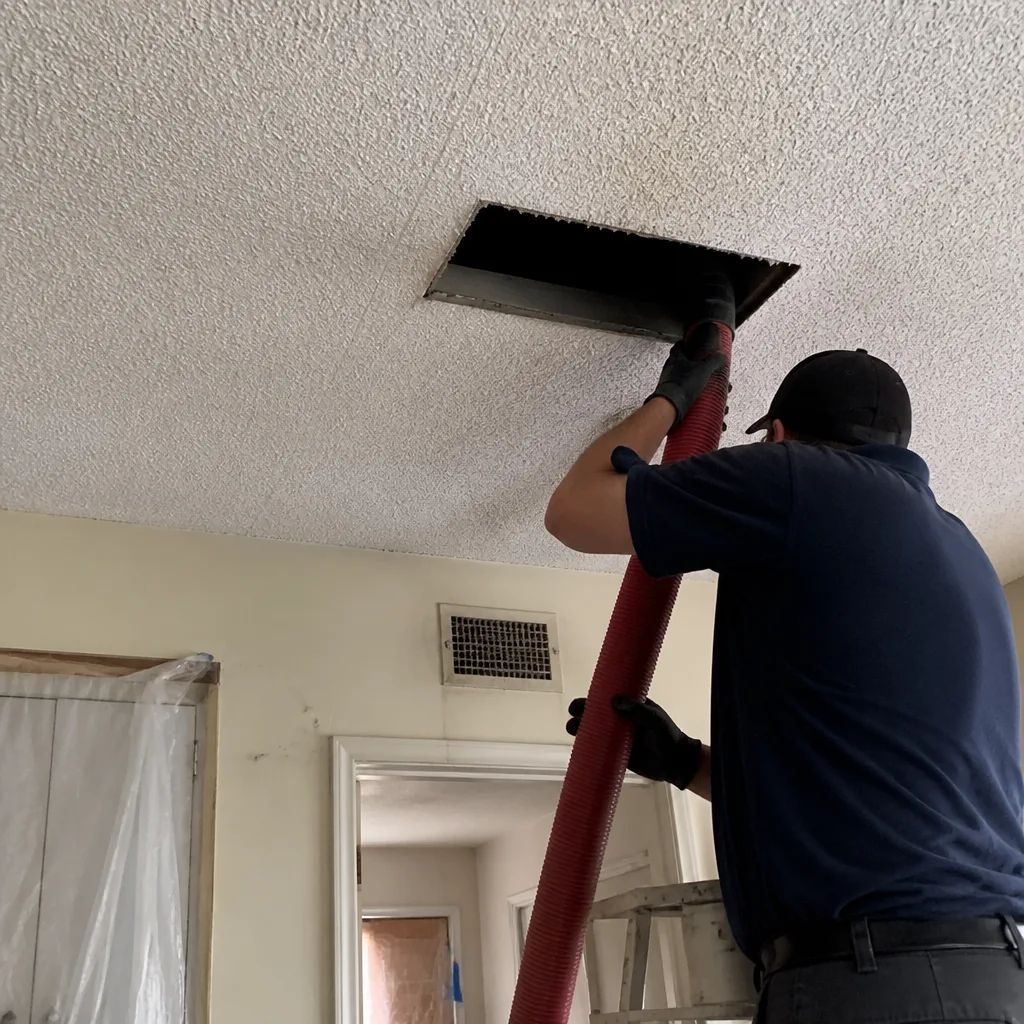
No, and here is why. The average shop vac cannot reach more than a few feet into a duct run, and it cannot provide the agitation needed to loosen debris that has adhered to duct walls. Professional systems like the Nikro and Rotobrush rigs we use combine rotary-brush agitation with high-velocity vacuum extraction. That mechanical action is the difference between removing debris and simply moving it around. It is also why we do not rely on compressed-air blowouts, which can redistribute dust rather than extract it.
A camera inspection answers that question directly. If the interior shows dust and debris accumulation, cleaning is the right call. If the inspection reveals disconnected sections, crushed flex duct, torn insulation, or leaking joints, a repair is required first, because cleaning will not hold. We offer both services, which means the inspection leads to the right fix rather than a referral to another contractor.
It can, particularly in the return plenum and in low-use duct runs. When warm, moist interior air meets cool duct surfaces, condensation can form and mix with accumulated dust. That creates a paste-like residue that dries and holds more debris over time. Homes with crawlspace returns or attic package units are most susceptible. If you notice a musty odor when the system starts after a rainy week, schedule an inspection before the cooling season begins.
The Bottom Line
Simi Valley’s seasonal rhythm is different from most of the country, and it dictates a different approach to duct care. The key windows are early fall, before Santa Ana winds and fire smoke arrive, and late spring, before the AC runs continuously. Winter is for moisture checks, and summer is for filter monitoring, not deep cleaning. Anyone in Simi Valley who wants cleaner air should start by understanding what their system has actually been through, then respond with the right service at the right time. The ductwork holds the evidence. The equipment we use is built to remove what it finds there.
Written by the team at Duct Cleaning Simi Valley, serving Simi Valley since 2013.
See the difference
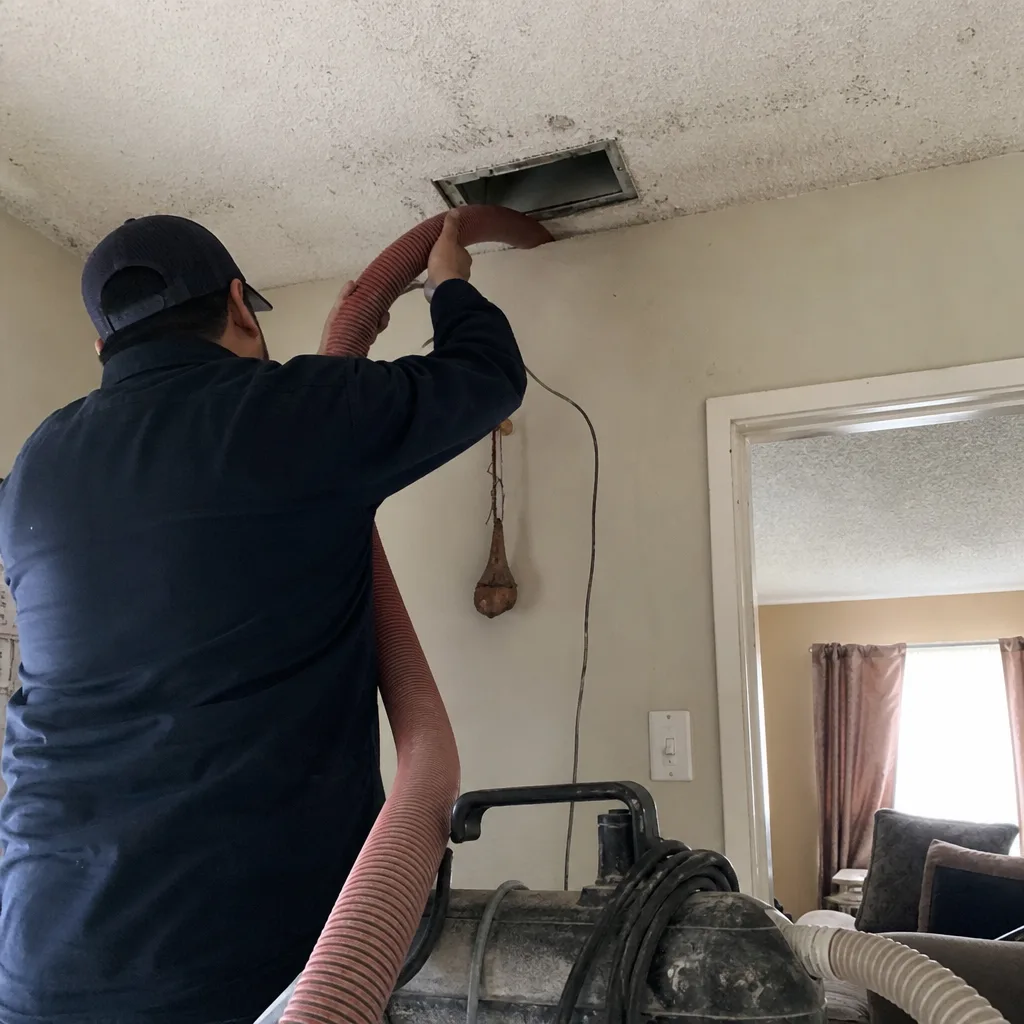 Before
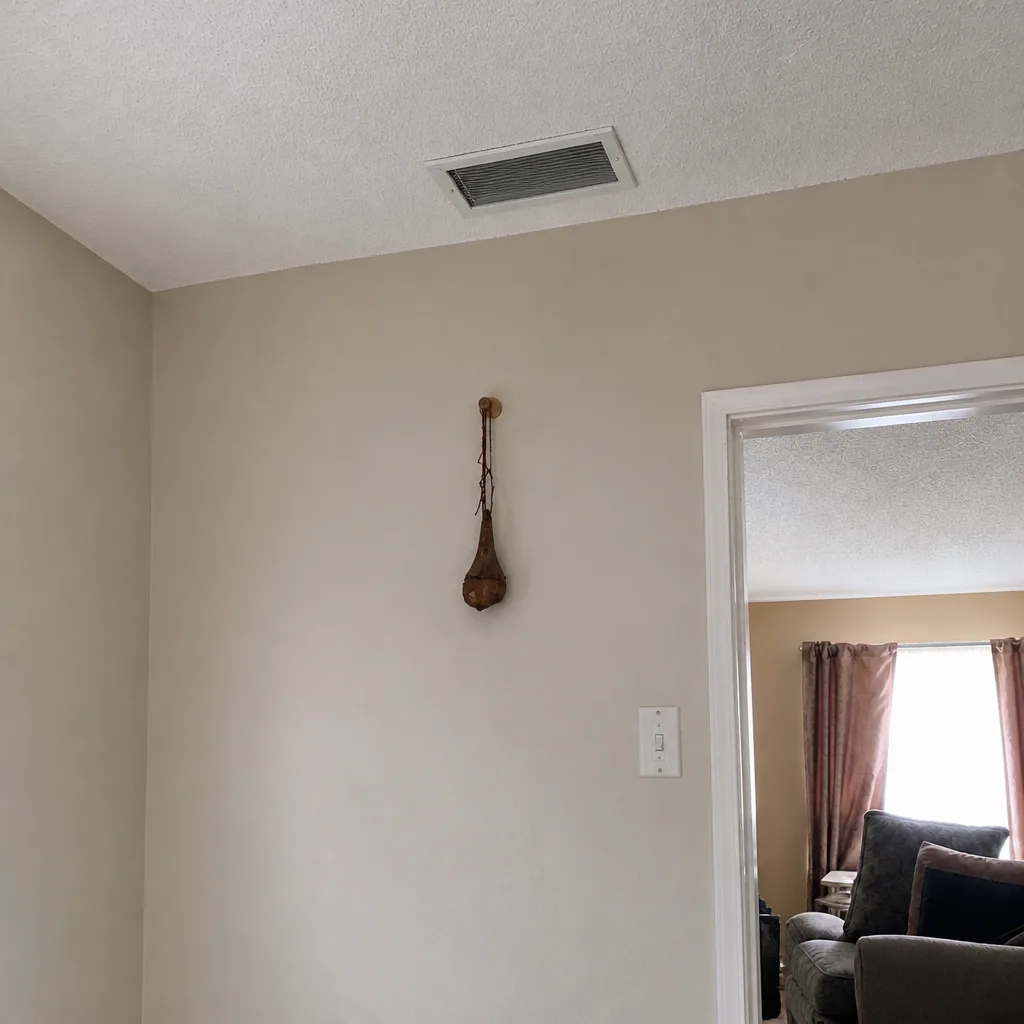 After
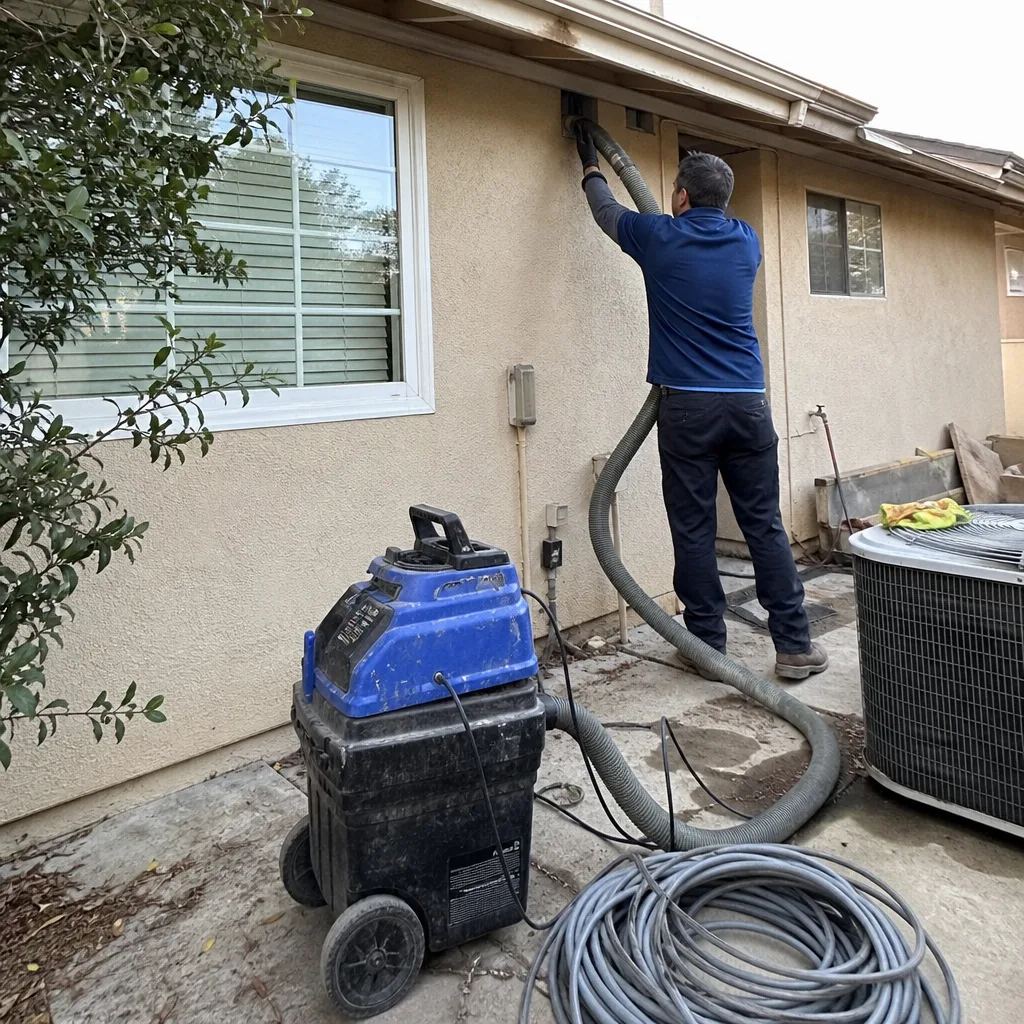 Before
 After
 Before
 After