
Last updated November 4, 2026
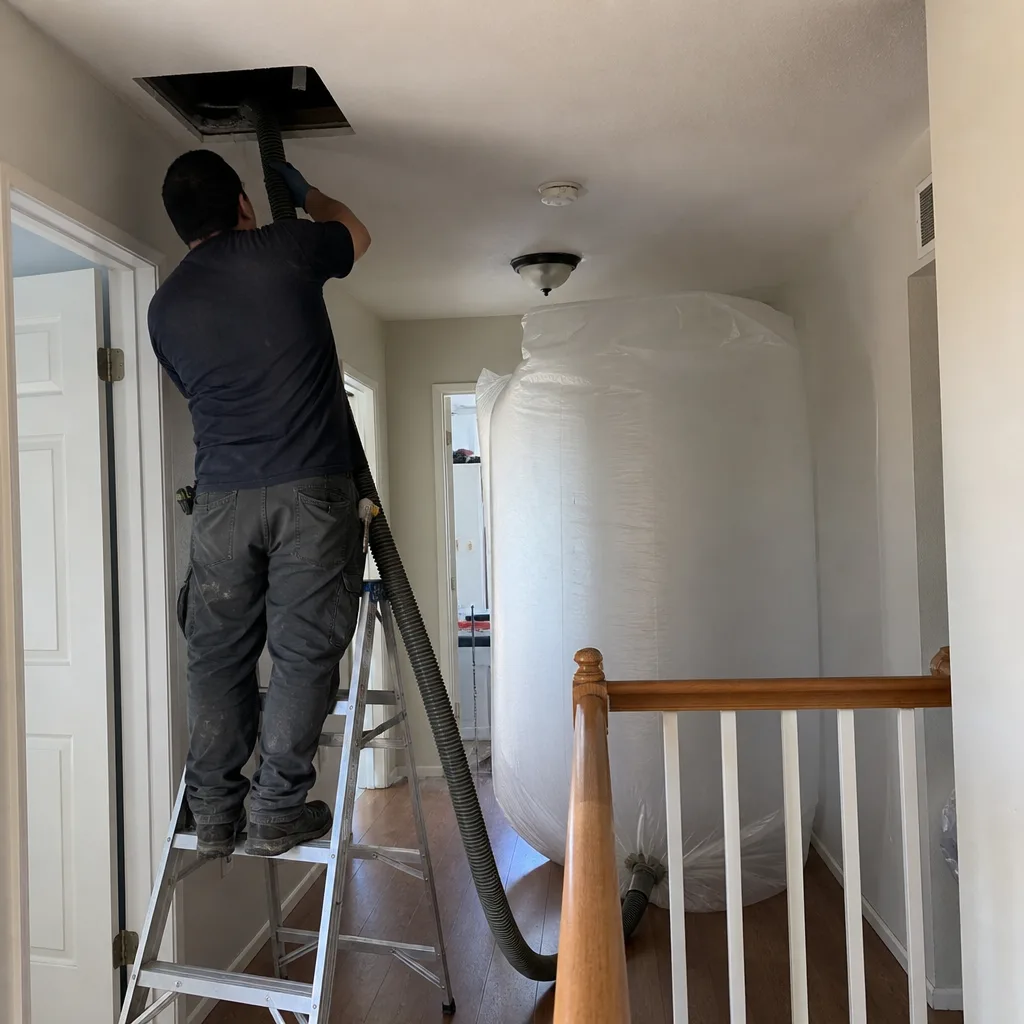
 Whole-home duct cleaning
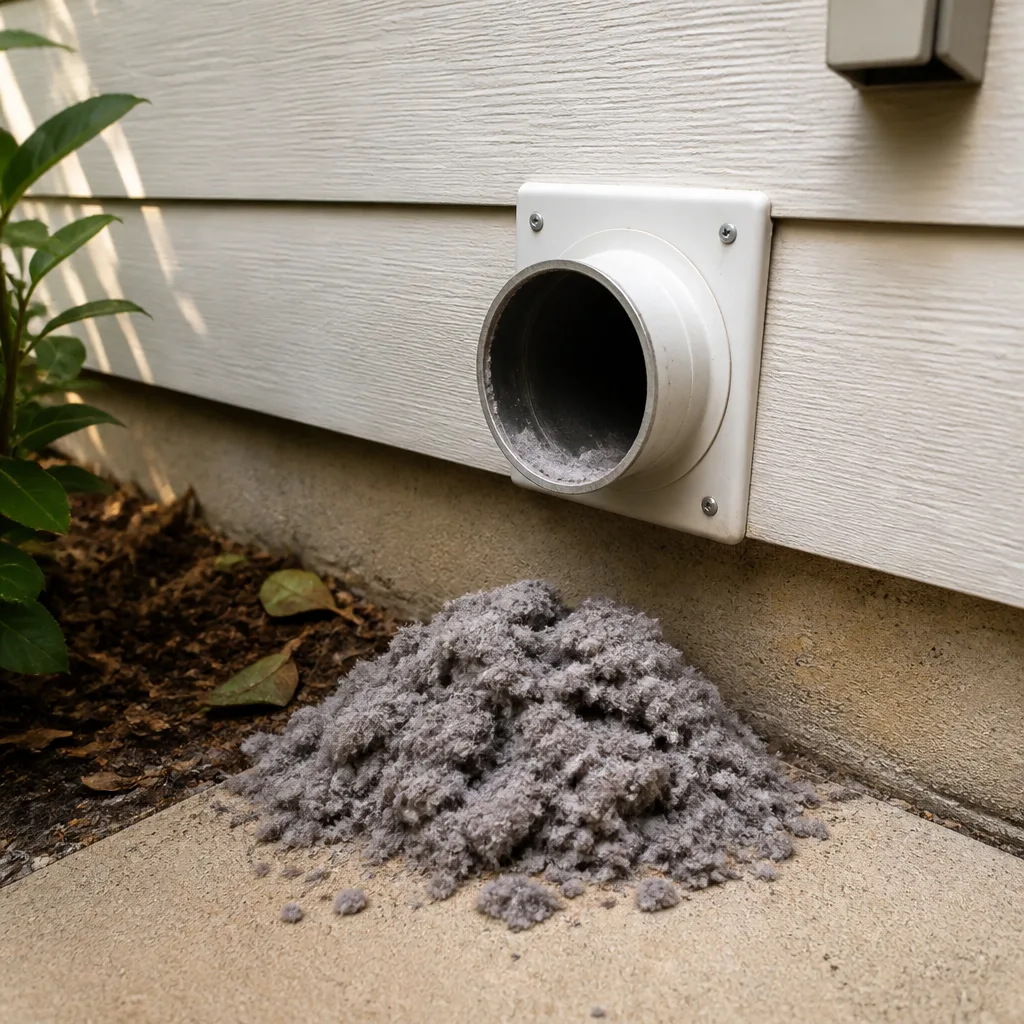 Dryer vent cleaning
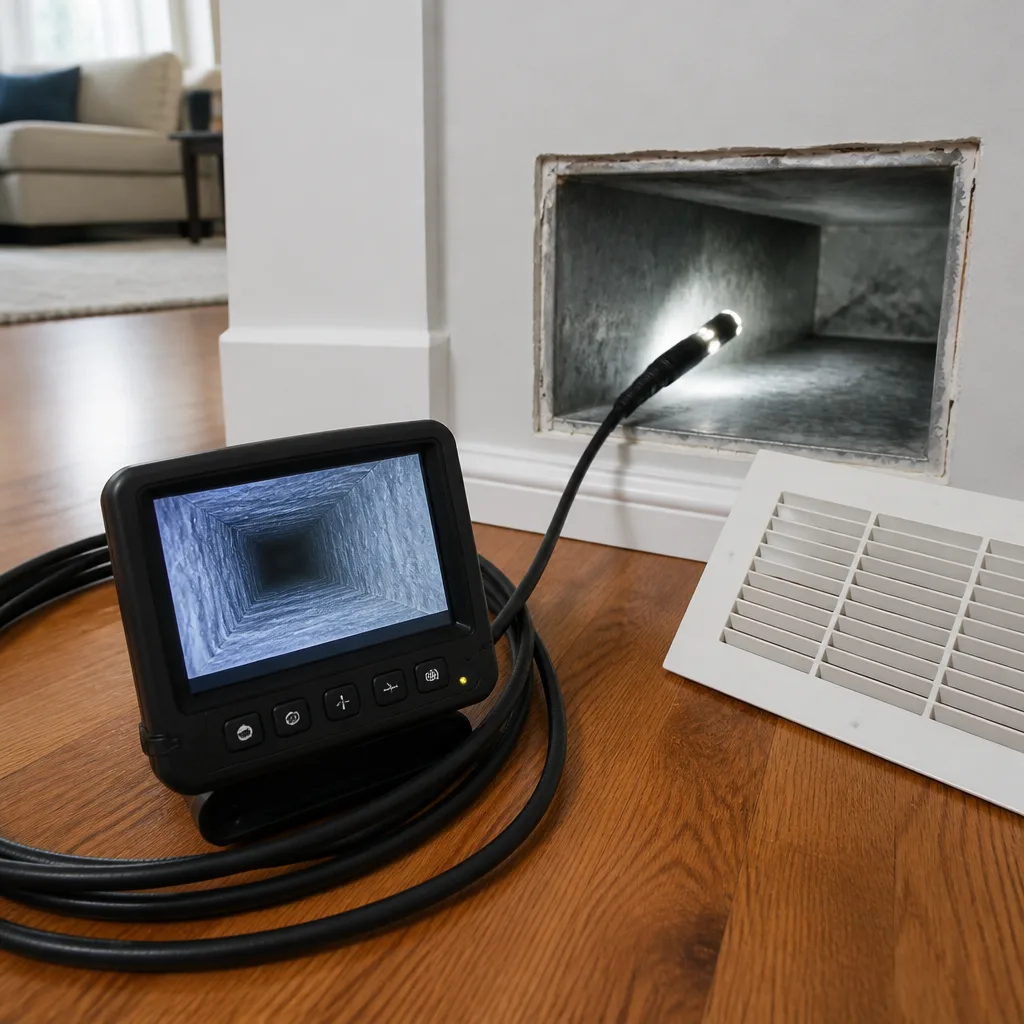 Camera inspection
 Sanitizing & deodorizing
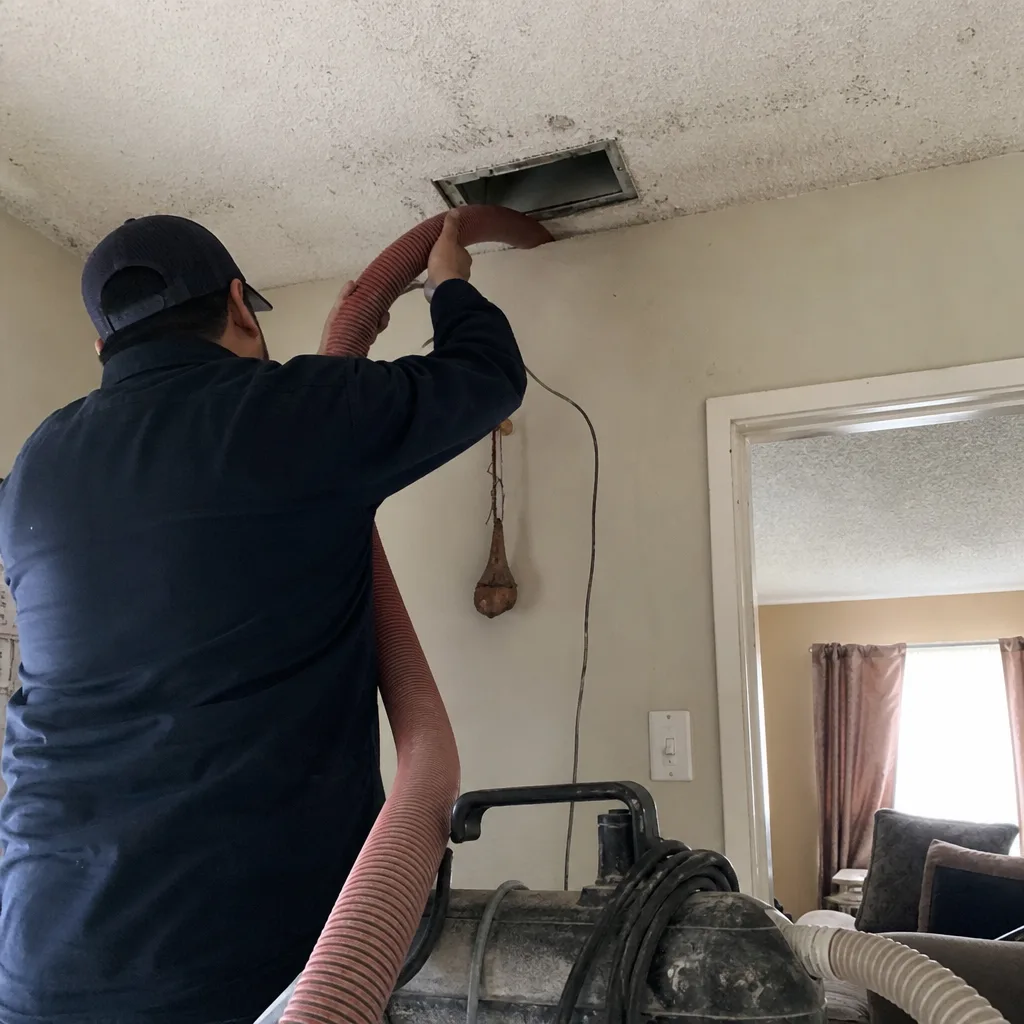
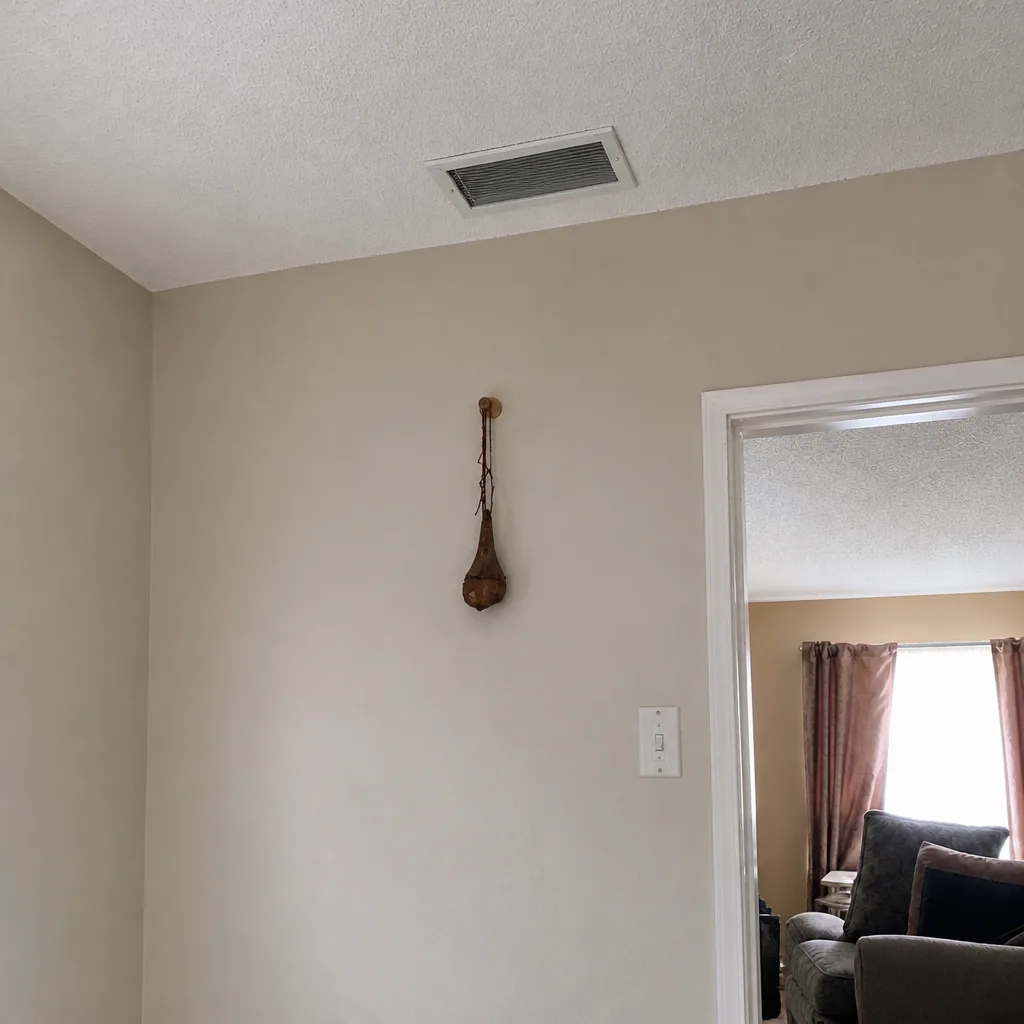
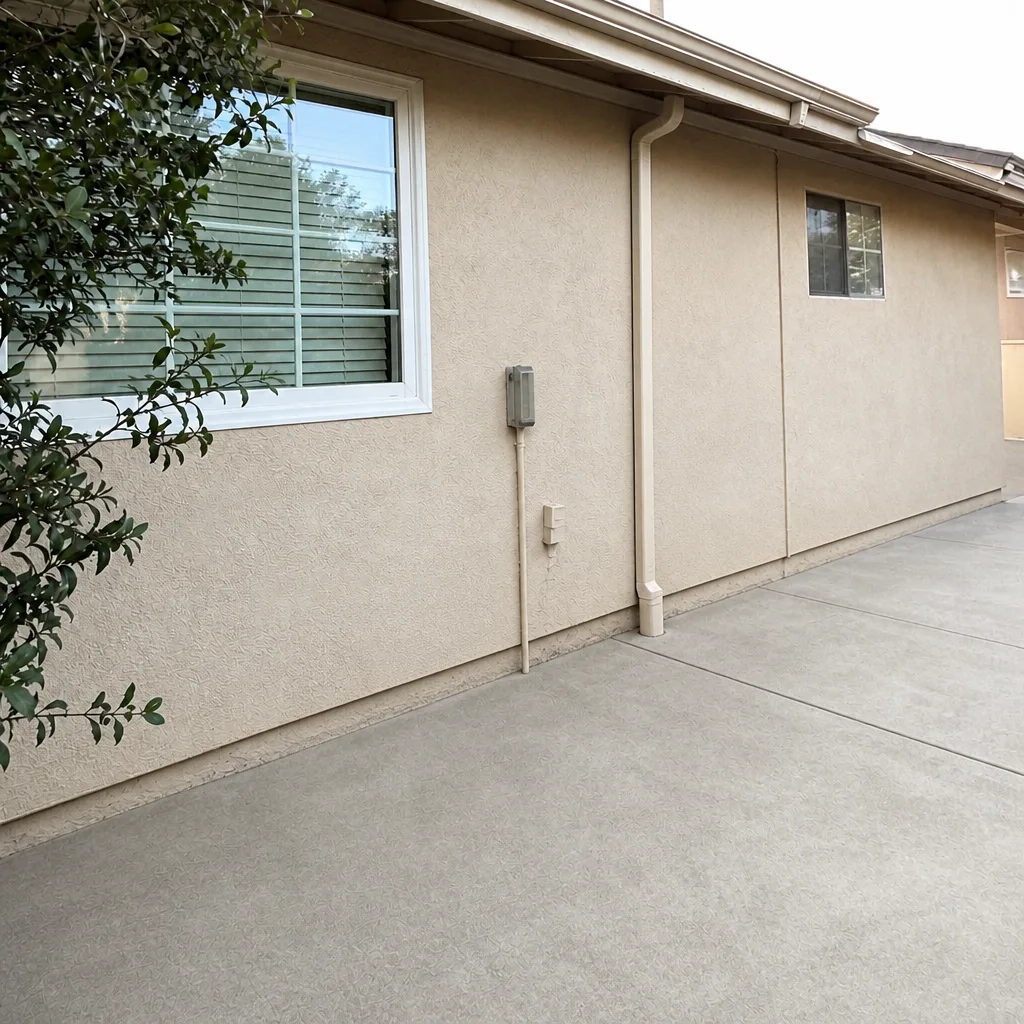
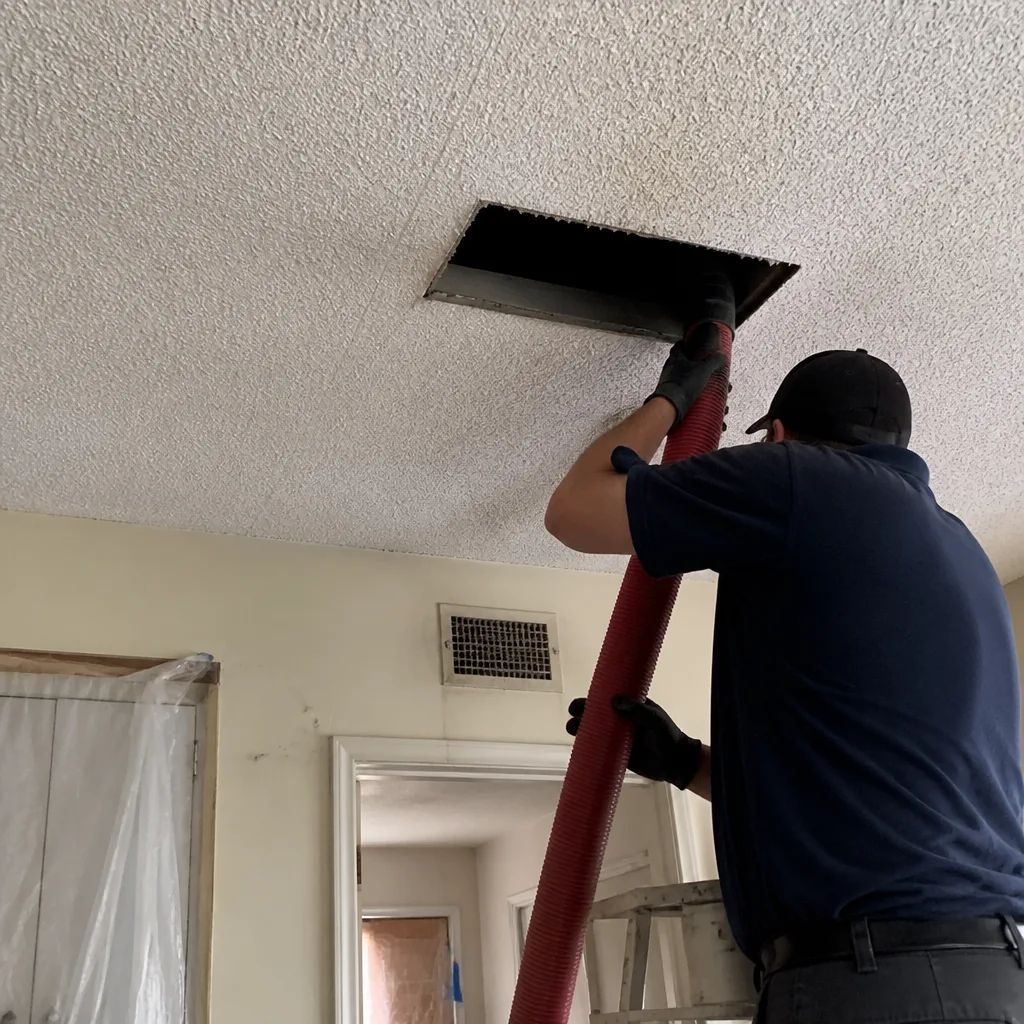
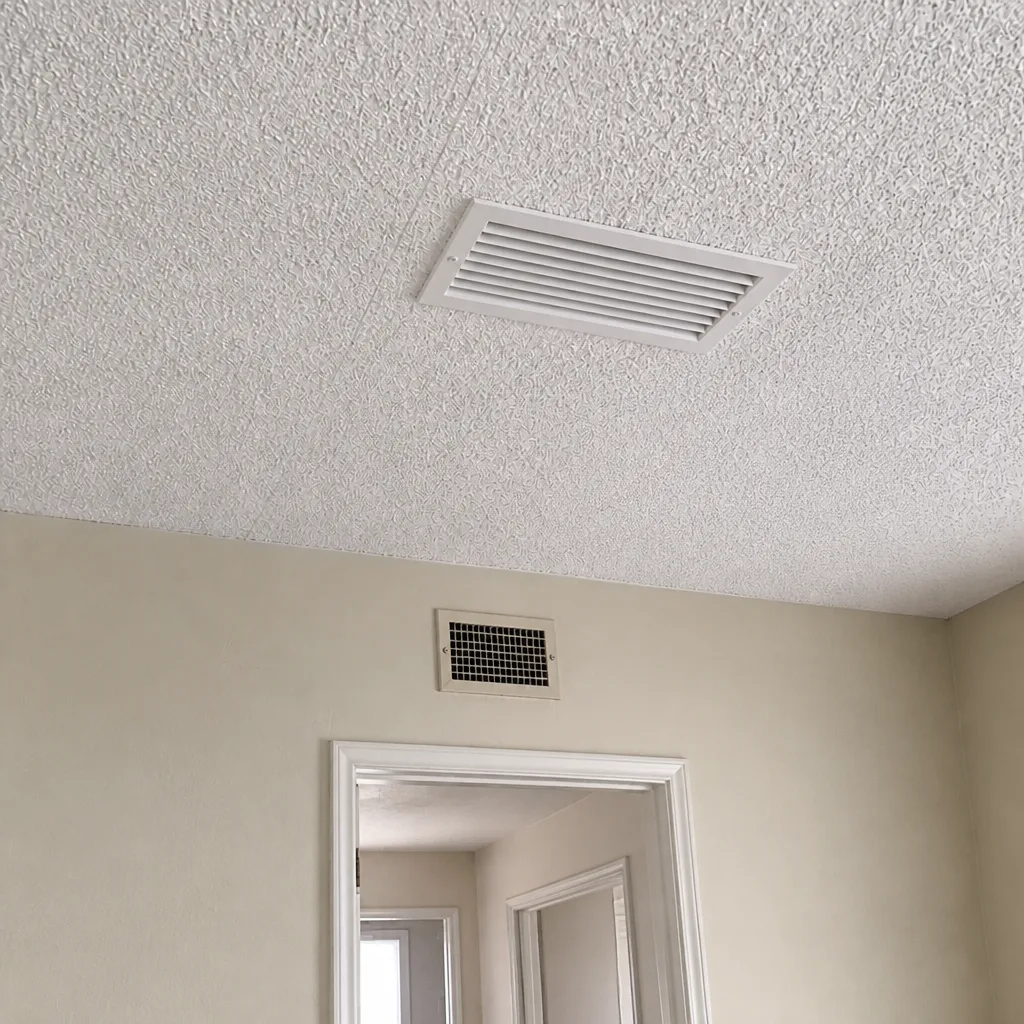
Whole-system duct and dryer vent check with before-and-after photos - you see exactly what came out of your vents
That "$99 whole-house special" is a bait ad - the real number appears once they are in your hallway, or the "clean" is a shop-vac at the register. We photograph the inside of your ducts before and after instead.
Air Duct Cleaning Permits, Codes & Inspections in Simi Valley, CA: What You Need to Know
Most homeowners assume a duct cleaning visit is a maintenance task, like changing furnace filters or having carpets shampooed. That assumption is only half right. The cleaning itself rarely triggers a permit in Simi Valley, but the moment a technician cuts out a damaged duct section, reseals a leaking plenum, or moves a supply register, the job has drifted into territory the California Mechanical Code regulates. Homeowners who don’t know where that line sits can end up with unpermitted HVAC work on their property record, a discovery that tends to surface at the worst possible moment: escrow. This guide walks through the exact line between maintenance and regulated work in Ventura County, how to know which side of it your project falls on, and when an inspection makes sense even when the city doesn’t require one.
Quick Answer
Routine air duct cleaning in Simi Valley does not require a city or county permit because it’s classified as maintenance, not construction or modification. However, duct repair, replacement, or any work that alters the HVAC system’s airflow path, plenums, or mechanical connections may trigger a permit under the California Mechanical Code and Ventura County building requirements. The safest approach is to have your contractor scope the work in writing before the visit, so you know whether a permit will be needed and can factor that into your timeline and budget.
Styles & brands we work with
- Whole-home duct cleaning
- Dryer vent cleaning
- Camera inspection
- Sanitizing & deodorizing
Table of Contents
- Where Duct Cleaning Ends and Permitted Work Begins
- How the California Mechanical Code Classifies Duct Work
- Ventura County Permit Thresholds for Duct Repair and Replacement
- How to Ask a Contractor to Scope Work Before the Visit
- Resale and Insurance: What Unpermitted Duct Work Means in Simi Valley
- When an Inspection Is Worth It Even Without a Permit Requirement
- Common Mistakes to Avoid
- When to Call a Professional
Where Duct Cleaning Ends and Permitted Work Begins
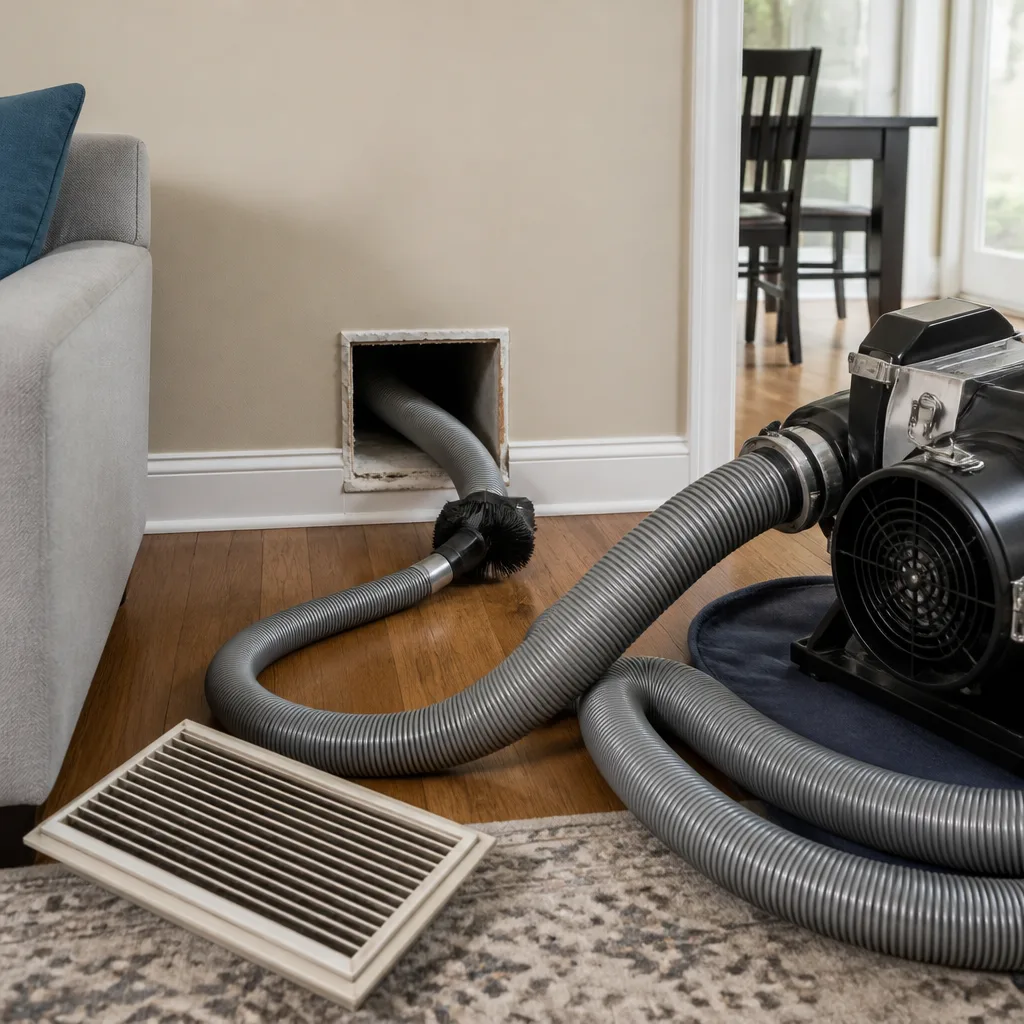
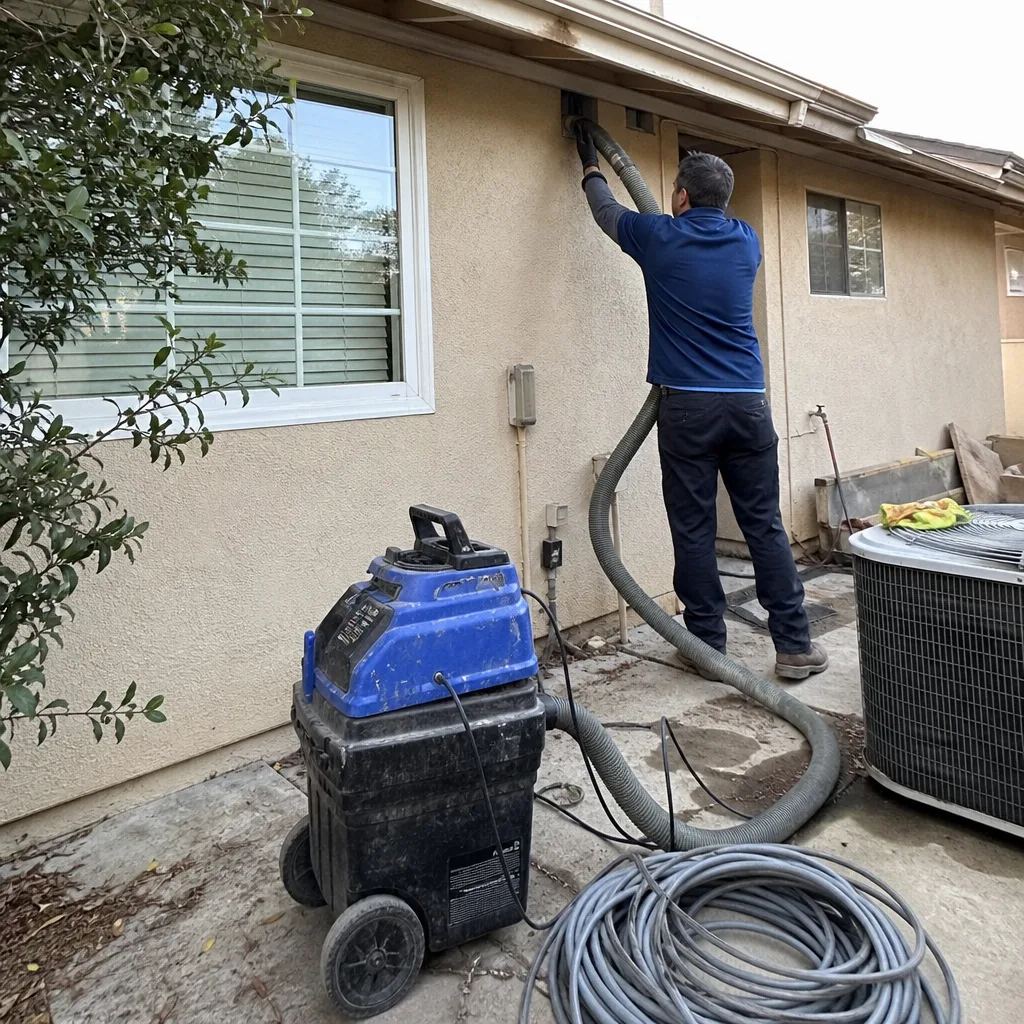
The distinction comes down to what physically happens to the duct system during the visit. A cleaning job, done correctly, is a removal process. A rotary-brush system like the Nikro or Rotobrush rigs we run pulls debris out of the duct interior without disassembling the ductwork itself. Access is typically gained through existing registers, returns, or service openings that were part of the original installation. Nothing is cut, disconnected, relocated, or rebuilt. Because the system’s physical configuration doesn’t change, the building department in Simi Valley treats it the way it treats gutter cleaning or window washing: maintenance, no permit needed.
Repair is a different animal. If a section of flex duct has torn and needs replacement, that’s a mechanical modification. If a supply boot has rusted through and gets swapped for a new one, the airflow path has been altered. If a plenum has separated at the seam and gets resealed with mastic and new fasteners, that’s a repair to the system’s pressure envelope. In most of Ventura County, these actions push the job out of the maintenance category. A permit may be required even if the repair seems small, because building officials regulate the system’s design, not just its size.
The practical takeaway for Simi Valley homeowners is simple: ask your duct cleaning company, before they arrive, whether any part of the quoted work involves replacing, relocating, or reconnecting duct components. A company that only cleans will tell you no. A company that also does air duct cleaning and repair should be able to tell you exactly where the scope crosses the line, and whether the repair piece requires a permit pull. We’ve had to have that conversation with homeowners, and it’s better had before the van is in the driveway than after the work is done.
How the California Mechanical Code Classifies Duct Work
The California Mechanical Code, or CMC, is the statewide standard that Ventura County and the city of Simi Valley adopt and enforce. It draws a practical line between maintenance and modification. Maintenance means preserving the system as originally designed. Modification means changing the system’s components, layout, capacity, or connections. Duct cleaning sits squarely on the maintenance side. Duct repair, replacement, and modification sit on the regulated side.
Here’s the framework in plain terms:
- Maintenance (no permit): Removing accumulated dust and debris from the interior of existing ductwork. Brushing, vacuuming, and sanitizing accessible surfaces. Replacing a filter. Reattaching a loose access panel that was never removed from the structure.
- Repair (permit likely): Replacing a damaged duct section, even a short one. Resealing a plenum. Replacing a register boot. Reworking a connection at the air handler or furnace. Any change to the duct’s material, diameter, or routing.
- Modification (permit required): Adding a new run, enlarging a trunk line, relocating a supply register, changing the system’s static pressure profile by altering duct sizing.
The line gets fuzzy in one place worth naming: sealing. If a technician applies mastic or foil tape to a small gap at an existing joint as part of a cleaning visit, most inspectors in Ventura County would call that incidental maintenance. But if the sealing is part of a repair that involves replacing a failed section or re-forming a crushed duct, it becomes part of a permitted repair. The distinction is whether the system is being preserved or altered. A homeowner in Simi Valley who wants to stay on the right side of it should ask the technician to describe the work in terms of preserve versus alter before anything gets cut or replaced.
Ventura County Permit Thresholds for Duct Repair and Replacement
Ventura County building officials generally follow the CMC’s classification, but the practical threshold for pulling a permit depends on the jurisdiction where the home sits. The city of Simi Valley issues its own mechanical permits for work within city limits. Unincorporated areas fall under Ventura County’s building and safety division. Both use the CMC as the baseline, but each can impose local administrative rules.
Here’s what homeowners should understand about those thresholds:
- Replacing a duct section: In most cases, this triggers a permit because it changes the system’s installed components. Even a flex-duct swap of the same diameter falls under mechanical work.
- Resealing a plenum: If the plenum must be disassembled, reformed, or refastened to complete the seal, permit staff typically treat it as a repair requiring a mechanical permit.
- Reconnecting a duct run that has separated: This can go either way. If the separation is at a taped joint and the fix is simply re-taping, most inspectors call it maintenance. If the separation is at a mechanical connection like a takeoff collar or boot, the repair usually requires a permit.
- Replacing supply registers or grilles: Swapping a faceplate is cosmetic, no permit. Replacing the boot behind the wall or ceiling is mechanical work, permit likely.
- Cleaning only, no mechanical changes: No permit. This covers the vast majority of what a duct cleaning company does on a service call.
The most important point for Simi Valley homeowners is that the permit requirement attaches to the work, not to the invoice. A company that describes a duct replacement as part of a “deep cleaning” package hasn’t changed the work’s classification. If the work meets the CMC definition of repair or modification, it needs a permit no matter what the work order says. That’s why we tell homeowners to ask about permits before committing to a repair scope, not after.
How to Ask a Contractor to Scope Work Before the Visit
A competent contractor can separate cleaning scope from repair scope before the first tool comes off the truck. You don’t need to know the CMC by heart. You need to ask three questions and get answers you can act on.
- Ask whether the quoted work includes any duct replacement, modification, or reconnection. The answer should be a simple yes or no. If yes, ask for a written list of exactly which sections, boots, or plenums are involved. A cleaning-only quote should not include this language.
- Ask whether the repair work, if any, will require a mechanical permit in Simi Valley. A contractor who does repair work in Ventura County should know the answer. If the answer is uncertain, ask them to check with the city’s building and safety division before the work is scheduled. A contractor who won’t answer or waves it off is a red flag.
- Ask who pulls the permit and whose name it’s issued under. For work on your home, the permit should be tied to the property address, and the contractor should either pull it or provide documentation that a licensed contractor of record is handling it. Never accept an arrangement where the permit is “not necessary” without a specific, verifiable reason tied to the project’s scope.
We’ve learned to have this conversation early. When a homeowner’s ducts show signs of damage during a cleaning visit, our technicians photograph the section, explain what they found, and prepare a separate repair scope with permit language included before any repair work begins. That gives the homeowner a clean decision: approve the repair with the permit process, or defer it and do the cleaning only. It also protects everyone from the unpermitted-work problem that shows up later.
Resale and Insurance: What Unpermitted Duct Work Means in Simi Valley
Unpermitted mechanical work on a home’s HVAC system is a disclosure issue in California. Sellers are required to disclose known unpermitted work on the property. If a duct replacement was done without a permit and the seller knows about it, they must say so on the disclosure forms. If they don’t know because the previous owner didn’t disclose, the problem can still surface during a buyer’s inspection, when a home inspector notes that duct sections appear newer than the rest of the system and the permit history doesn’t match.
For a Simi Valley buyer, unpermitted duct work raises three practical concerns. First, the work may not have been done to code, which can mean airflow problems, leakage, or even safety issues if the repair involved gas appliance connections. Second, the buyer’s lender or insurer may ask questions about unpermitted mechanical work, and some policies will exclude claims tied to it. Third, the buyer typically asks for a price reduction or a repair credit, and the seller ends up paying for the permit problem at the negotiating table. The permit that might have cost a few hundred dollars at the time becomes a multi-thousand-dollar line item in escrow.
The clean solution is to keep permits in order before the house goes on the market. If you had duct repairs done and you’re not sure whether they were permitted, the Ventura County building and safety division or the Simi Valley building department can check permit history by address. If the work was done without a permit, it may be possible to obtain a retroactive permit, though that often requires an inspection and possibly opening up sections of the work for review.
When an Inspection Is Worth It Even Without a Permit Requirement
A permit is a legal requirement. An inspection is a verification step. Sometimes the first is required and the second follows automatically. But there are situations in Simi Valley where an inspection is smart even when no permit is on the table.
Here are four scenarios worth flagging:
- Post-fire-damage cleaning: If a home near a wildfire zone has duct systems that were exposed to smoke and ash, a cleaning is almost always warranted. In some cases, so is an inspection to document the before and after condition, especially if an insurance claim is involved. An inspector’s report creates a record that the system was professionally cleaned and verified, which can be useful evidence if a claim is questioned.
- Post-remediation verification: If a mold remediation or asbestos abatement contractor accessed the duct system, it’s often worth having an independent verification that the ducts were properly sealed and cleaned. Some projects use Abatement Technologies HEPA equipment to clear contaminants, and a third-party or contractor-documented inspection confirms the job was done to spec. This isn’t a city permit inspection, but it creates accountability for the remediation work.
- Pre-listing documentation for home sellers: A seller in Simi Valley can differentiate a listing by having the duct system professionally cleaned and documented, with before-and-after photos and a written scope of work. If any repair was done, having the permit and inspection on file makes the disclosure clean. It removes a negotiation point before it starts.
- High-contamination systems: Homes with decades of dust, pet hair, or construction debris in the ducts can benefit from a pre-cleaning inspection to identify whether the debris is merely heavy or whether it has damaged the duct material itself. If the duct liner is deteriorating or flex duct has been crushed, the right response is repair, not just cleaning. An inspection catches that before a cleaning-only visit wastes money on a system that needs more than cleaning.
A note on scope: a city inspection verifies code compliance on permitted work. A contractor-documented inspection verifies the condition and cleanliness of the system. They are not the same thing. Homeowners who need the first should go through the permit process. Homeowners who need the second should ask their duct cleaning company whether they provide written documentation and photo records. We do, because a homeowner who just spent money on dryer vent cleaning deserves more than a verbal “looks good.”
Why Equipment and Process Matter in the Permit Discussion
The permit conversation is easier when the contractor’s tools match the scope they describe. A company that shows up with an air compressor and a long hose is doing a blow-and-go job, which can force debris through the system rather than out of it. A company that runs a rotary-brush extraction system like the Nikro or Rotobrush rigs is mechanically removing debris, and the system stays intact while it happens. The distinction matters for permits because the method tells you whether the contractor respects the system’s boundaries or treats the ducts as a thing to be blasted through.
It also matters for what happens after the cleaning. If our technicians find a torn flex duct or a separated plenum, we have the capability to repair it on the spot rather than documenting it and walking away. That’s a different conversation than the cleaning-only visit, and it’s one where the permit question comes up naturally. A homeowner who knows the repair will need a permit can make an informed call. A homeowner who doesn’t know has been let down by their contractor, not by the building department.
We also see the interaction between duct cleanliness and whole-home equipment. Homes in Simi Valley with Honeywell filtration systems or Aprilaire humidity control need duct cleaning done in a way that doesn’t contaminate or bypass those components. The equipment in the home shapes the process, and the process shapes whether the visit stays in maintenance territory or drifts into modification. That’s a professional judgment call, and it’s one of the reasons we scope work carefully before we start.
Common Mistakes to Avoid
- Assuming all duct work is maintenance: Cleaning is maintenance. Replacing, relocating, or resealing duct components is not. If a contractor describes repair work as “part of the cleaning,” ask whether a permit applies. The invoice description doesn’t change the legal category.
- Pulling a homeowner permit for contractor work: If the repair scope requires a permit, it should be tied to the contractor doing the work, not to the homeowner. A contractor who asks the homeowner to pull the permit on their behalf is often avoiding responsibility for the work’s compliance.
- Not checking permit history before listing a home: Simi Valley sellers who had duct work done years ago may not know whether it was permitted. Checking before listing, and fixing any gaps, is cheaper than negotiating a credit with a buyer after inspection.
- Confusing a cleaning invoice with a code inspection: A duct cleaning receipt documents that cleaning happened. It does not verify that the system meets the California Mechanical Code. If a buyer or insurer wants code verification, only a permit and inspection provide it.
- Deferring a known repair because “the system still works”: A leaking plenum or torn flex duct doesn’t stop working all at once. It degrades airflow, pulls attic air or crawlspace air into the system, and gets more expensive to fix as time goes on. Addressing it early keeps the repair scope small and the permit straightforward.
- Hiring a cleaning-only company for a house that needs repair: A company that only cleans will clean around damage, not fix it. If the homeowner doesn’t know the damage is there, they end up with clean ducts that still leak. Ask whether the company can handle both cleaning and repair before scheduling.
- Letting a low price short-circuit the permit question: A quote that seems low because it skips the permit process isn’t a bargain. It’s a liability with a service date. The permit cost is part of honest repair pricing, and a contractor who omits it from a repair quote should be asked why.
When to Call a Professional
If your ducts haven’t been cleaned in years and you suspect damage, start with a cleaning-and-inspection visit from a company that can do both. Duct Cleaning Simi Valley offers free estimates in Simi Valley – call (855) 353-2270. We answer 24/7. Fast dispatch from 7am to 7pm, Sunday through Friday. Our technicians run rotary-brush extraction systems, not just air pressure, so debris is physically removed rather than redistributed through your house. We can repair damaged ductwork on the spot, and we’ll tell you plainly whether any part of the repair scope needs a permit before work begins. If contamination is the concern, we have abatement-grade tools to address it properly.
See the difference
 Before
 After
 Before
 After
 Before
 After
Frequently Asked Questions
No. Routine air duct cleaning that removes dust and debris from existing ductwork without altering the system’s components, layout, or connections is classified as maintenance under the California Mechanical Code, and no permit is required in Simi Valley. If the cleaning visit turns into a repair or replacement of duct sections, the permit question changes. Call (855) 353-2270 if you’re unsure where your project falls and want a straight answer before work begins.
Replacing a duct section, resealing a plenum that must be disassembled, replacing a register boot, or reworking a connection to the air handler typically requires a mechanical permit in Ventura County. Minor re-taping at an existing joint and replacing a cosmetic register grille are usually treated as maintenance. The work’s physical scope determines the permit requirement, not the wording on the invoice. For an exact quote and a clear scope, call (855) 353-2270 – estimates are free.
Contact the Simi Valley building department or Ventura County building and safety division with your property address and ask for the mechanical permit history. If the home changed hands, the disclosure packet may also note whether any unpermitted work was reported. A duct cleaning company can also document the system’s current condition, but only the building department can verify permit history. Call (855) 353-2270 for a condition assessment and documentation of your duct system.
Yes. California requires sellers to disclose known unpermitted work, and a buyer’s home inspector can often tell when duct sections are newer than the permit record supports. The result is usually a repair credit or a price reduction negotiated in escrow. Fixing the permit issue before listing is almost always cheaper than negotiating with a motivated buyer. If you need the ducts cleaned or repaired before a sale, call (855) 353-2270 for a free estimate.
No. A duct cleaning receipt documents that the cleaning was performed, and a good contractor will include before-and-after photos and a written scope of work. Code compliance can only be verified through the permit and inspection process. If you need documentation for a sale or insurance claim, ask for both the cleaning record and, if repairs were done, the permit documentation. Call (855) 353-2270 to discuss what documentation we provide with each visit.
Ask the technician to photograph the damage and prepare a separate repair scope that states whether a permit is required in Simi Valley. You can then approve the repair with the permit process or defer it and complete the cleaning only. We handle both cleaning and duct repair, so we can give you that scope on the spot. Call (855) 353-2270 for a free estimate in Simi Valley.
The Bottom Line
Duct cleaning in Simi Valley is a maintenance task, and no permit is needed for it. Duct repair and replacement are different, and pretending otherwise creates a trail of unpermitted mechanical work that surfaces at resale or during an insurance review. The distinction is knowable, and it’s one a competent contractor should be able to explain before the visit starts. A homeowner who asks about scope, permits, and documentation before work begins avoids the expensive surprises that come later. If you want a duct cleaning company that does the work right and tells you the truth about what the work involves, call Duct Cleaning Simi Valley at (855) 353-2270. We answer 24/7. Fast dispatch from 7am to 7pm, Sunday through Friday.
Written by the team at Duct Cleaning Simi Valley, serving Simi Valley since 2013.