
Last updated November 4, 2026
 Whole-home duct cleaning
 Dryer vent cleaning
 Camera inspection
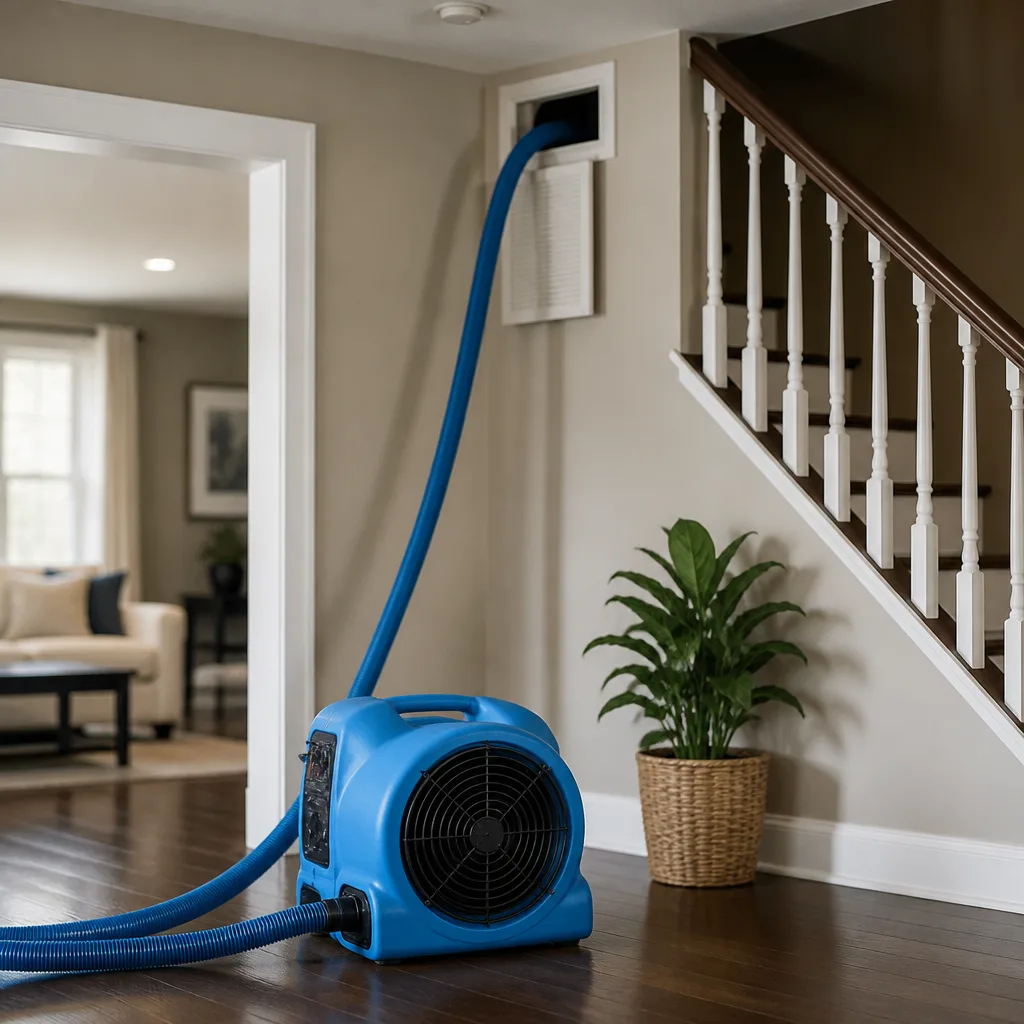 Sanitizing & deodorizing
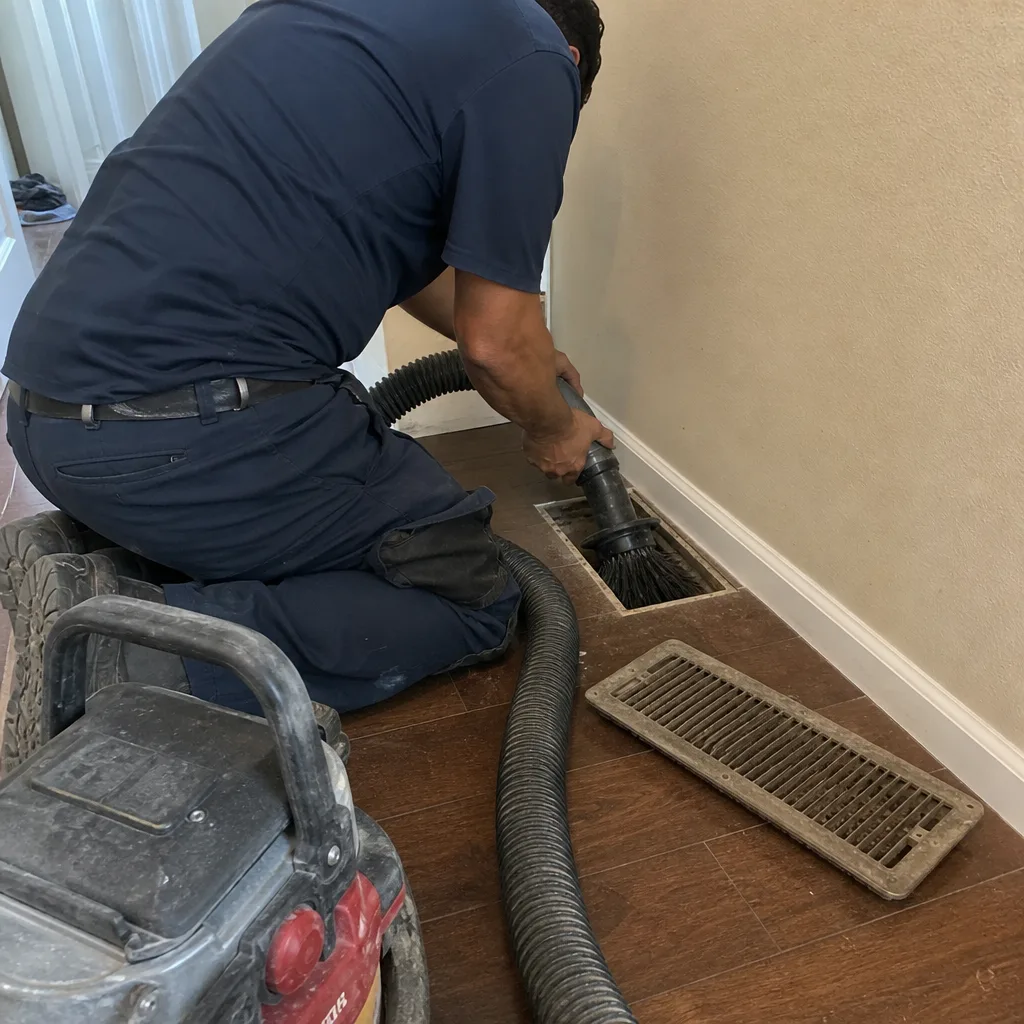
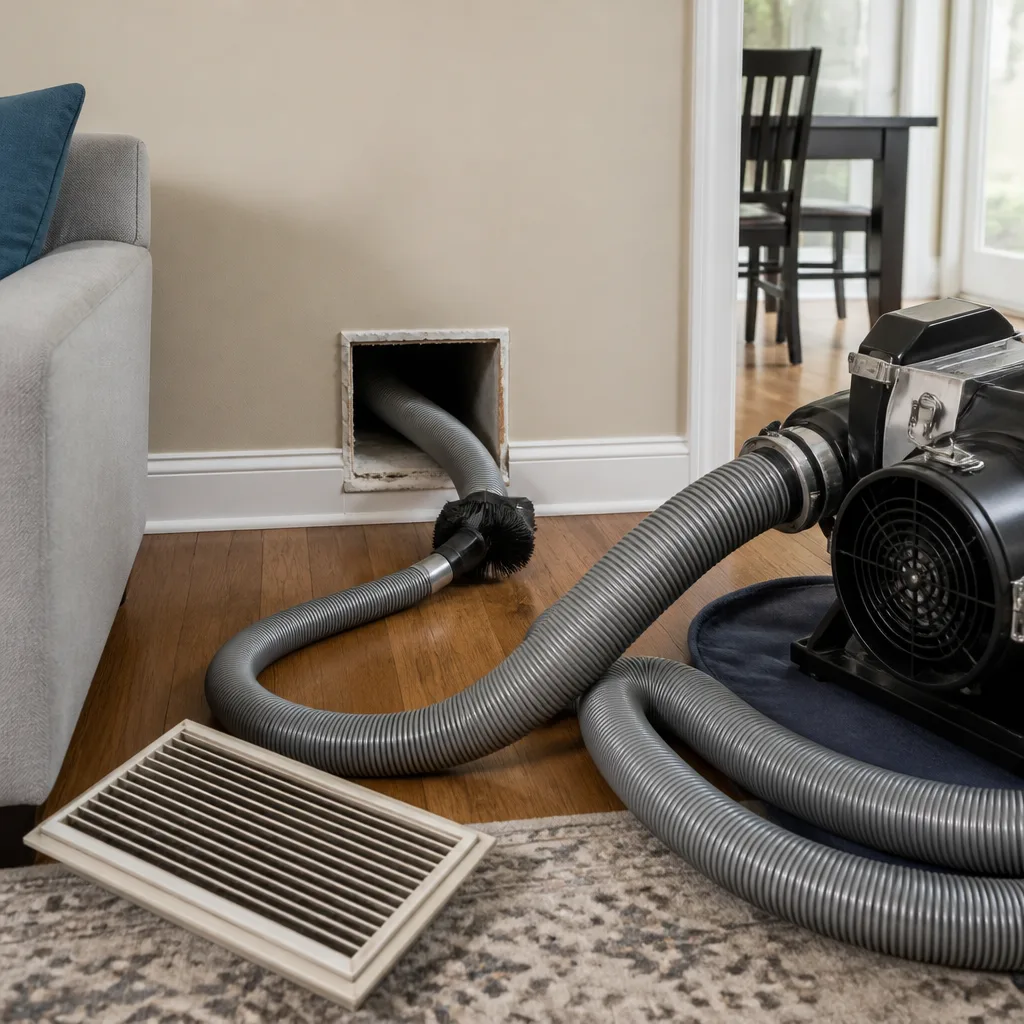
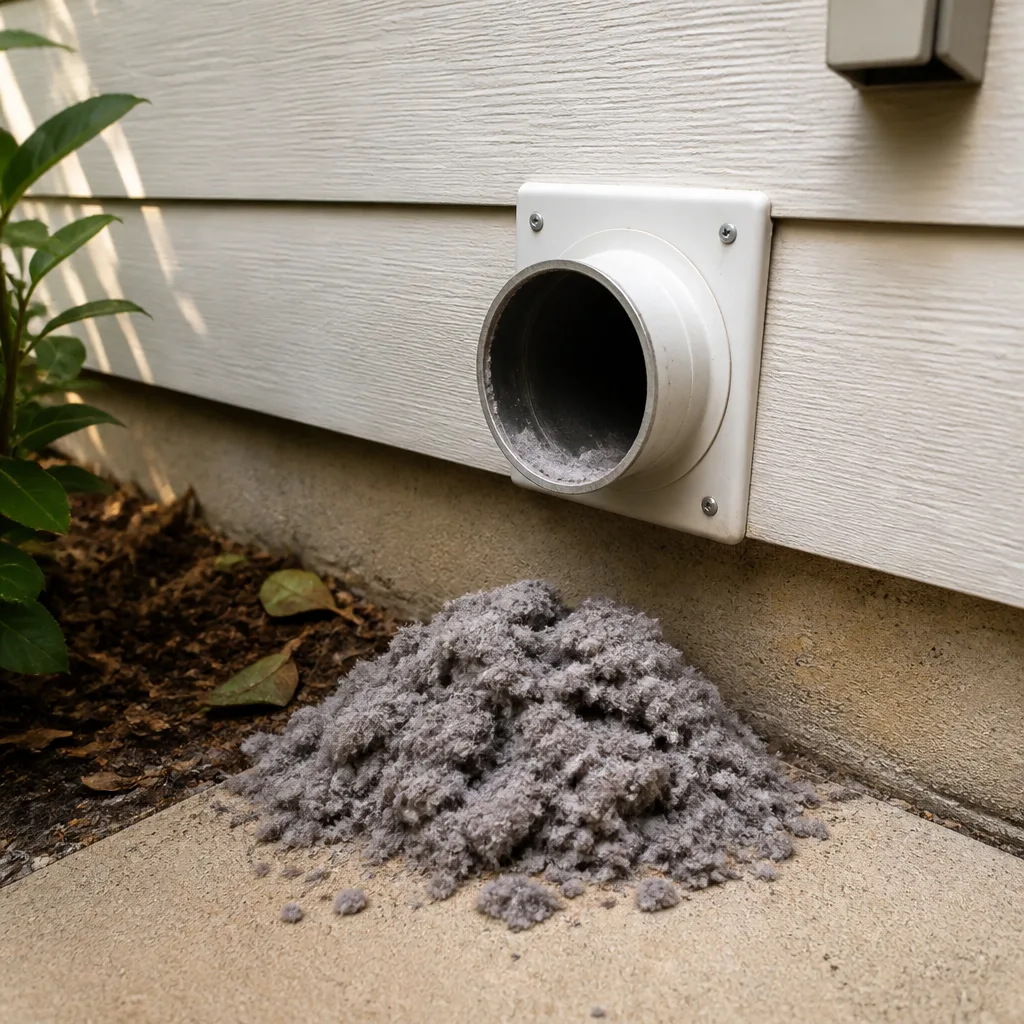
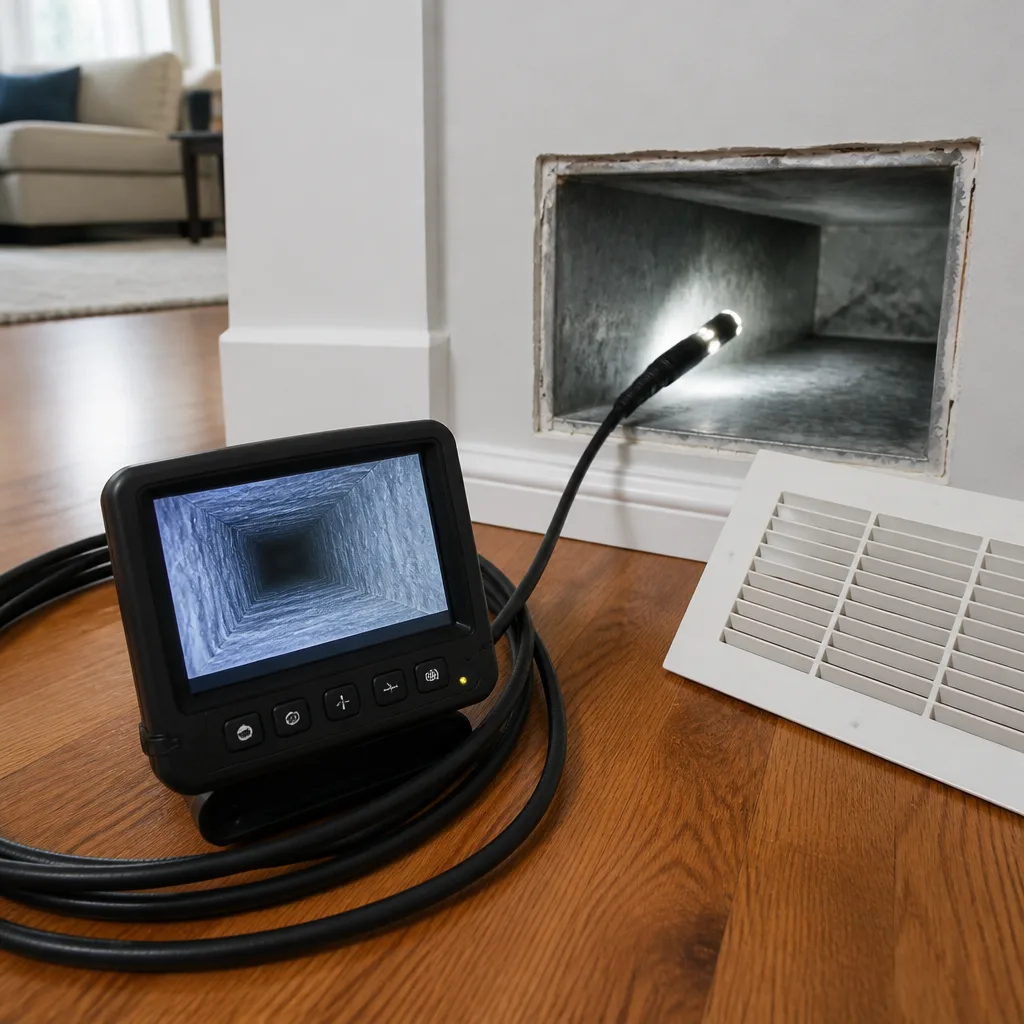
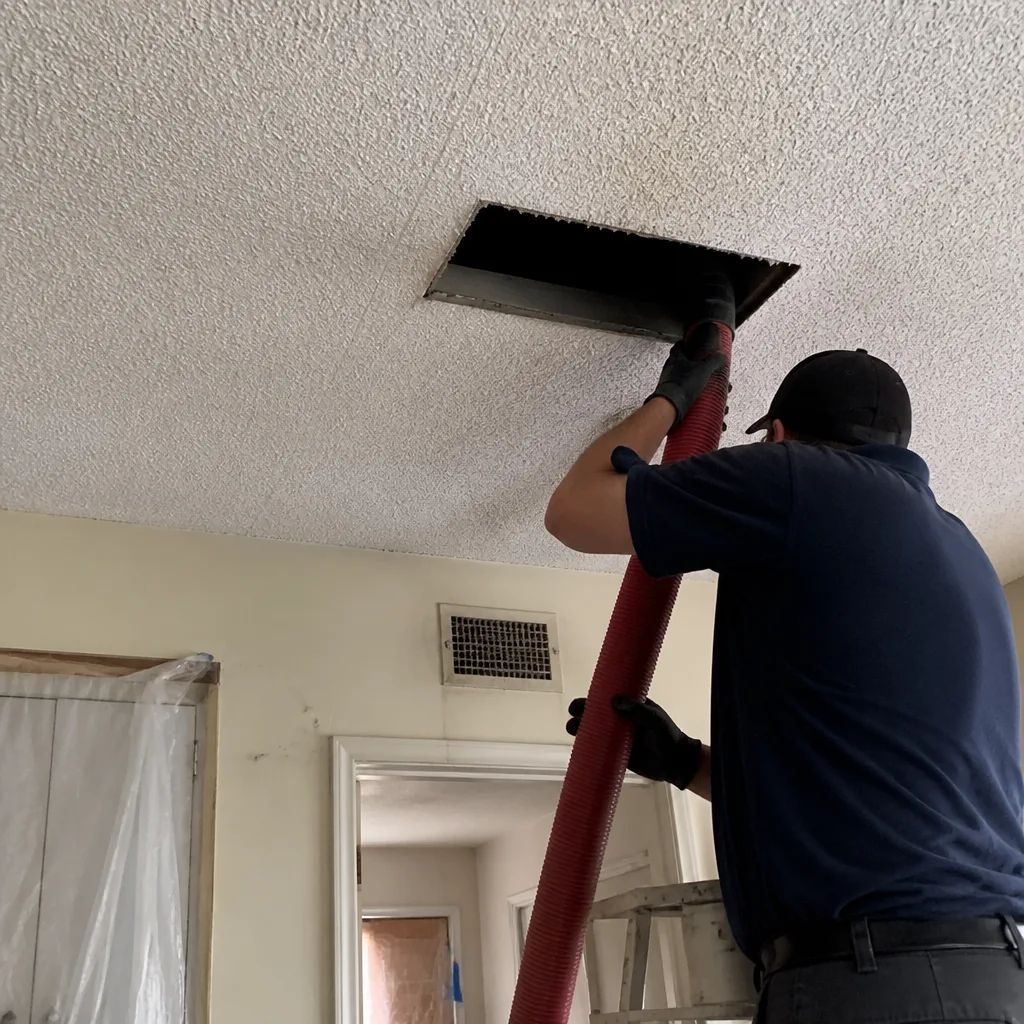
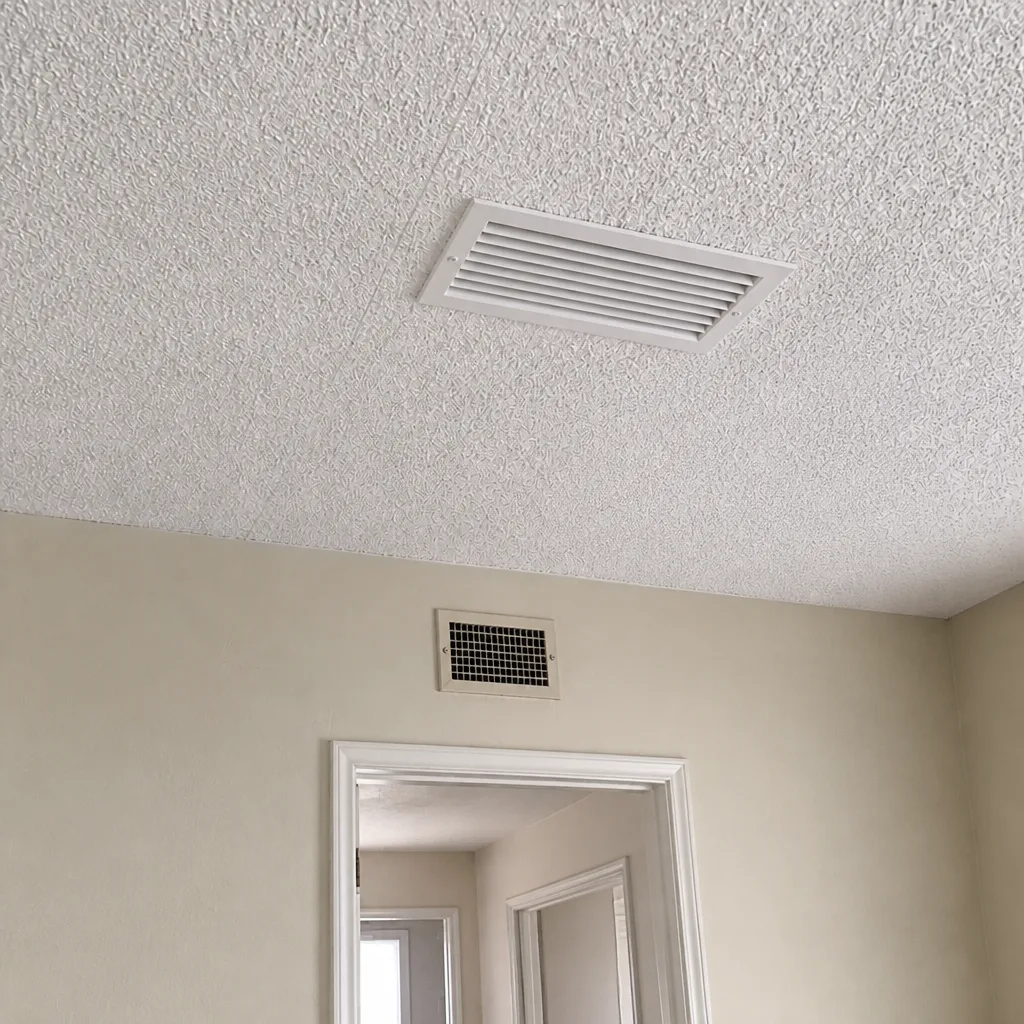
Whole-system duct and dryer vent check with before-and-after photos - you see exactly what came out of your vents
That "$99 whole-house special" is a bait ad - the real number appears once they are in your hallway, or the "clean" is a shop-vac at the register. We photograph the inside of your ducts before and after instead.
How to Hire an Air Duct Cleaning Contractor in Simi Valley: A Step-by-Step Guide
The California duct cleaning industry has no mandatory licensing requirement. Anyone with a van, a portable vacuum, and a website can call themselves a duct cleaner by tomorrow morning. That is not an exaggeration. It is the structural reality of this trade in our state, and it explains why two quotes for the same Simi Valley home can differ by $400 or more. This guide is written from the inside, by a crew that runs Rotobrush and Nikro rotary-brush extraction systems, and it will teach you exactly which questions separate a professional source-removal operation from a bait-and-switch crew before anyone steps through your door.
Quick Answer
To hire an air duct cleaning contractor in Simi Valley, verify their equipment first: ask for the vacuum’s CFM rating and whether they use rotary-brush contact cleaning, not just compressed air. Confirm they access the air handler cabinet, seal the system before running suction, and include a written scope of work that itemizes every register, return, and repair. Then call Duct Cleaning Simi Valley at (855) 353-2270 for a free estimate with no dispatch fee.
Styles & brands we work with
- Whole-home duct cleaning
- Dryer vent cleaning
- Camera inspection
- Sanitizing & deodorizing
Table of Contents
- Why California Has No Duct Cleaning License, and What That Means for You
- The Equipment Question: What Professionals Run (and What Coupon Crews Run)
- CFM Explained: The Number That Exposes a Weak Vacuum
- How to Read a Quote: What a Legitimate Scope of Work Looks Like
- Red Flags During the Job Itself
- What Simi Valley Homes Specifically Require
- The Step-by-Step Hiring Process: From First Call to Final Walkthrough
- Common Mistakes to Avoid
Why California Has No Duct Cleaning License, and What That Means for You
Start with the licensing confusion, because almost every homeowner gets this wrong. The California Contractors State License Board (CSLB) licenses HVAC contractors for installation, repair, and replacement of heating and cooling equipment. Duct cleaning as a standalone service falls into a gray area. Some companies hold a C-20 warm-air heating, ventilating and air-conditioning contractor license. Many duct-cleaning-only operations hold no CSLB license at all. Both can legally clean your ducts in Simi Valley.
That means the CSLB badge on a van does not tell you whether the crew inside knows how to run negative-pressure extraction. It tells you they are licensed for a broader scope of HVAC work, which is useful if you need air duct cleaning plus repair in the same visit, but it is not a proxy for cleaning competence. The rule is simple: a CSLB license is a meaningful signal if the company also repairs ductwork, and it is no signal at all if the company only cleans. Ask what else they do.
This is also why a NADCA membership logo means less than most people assume. A business can pay the annual dues, display the logo, and never submit to a field audit of their equipment or process. NADCA publishes the technical standard most reputable companies follow, and that standard is genuinely useful. But membership alone is a starting point, not a guarantee. The vetting happens when you pick up the phone and ask specific questions about negative pressure, cubic feet per minute, and contact cleaning tools. A professional answers in numbers. A coupon crew answers in vague reassurances.
The Equipment Question: What Professionals Run (and What Coupon Crews Run)
The fastest way to separate a real operation from a marginal one is to ask what equipment they bring. Listen for two specific things: a truck-mounted or high-output portable vacuum rated in CFM, and contact cleaning tools, not just air pressure.
We run Rotobrush and Nikro systems. Those are rotary-brush-and-vacuum rigs, which means a spinning brush physically agitates the debris caked onto the duct walls while the vacuum pulls the loosened material out under negative pressure. That is source removal. The alternative, which some low-price operators use, is a compressed-air blowout: a technician shoves an air wand into the register, blasts the dust loose, and lets it settle back into the duct or get pushed out the vents into your living room. The debris is redistributed, not removed. A few months later it looks the same as it did before the cleaning.
Ask the company to name their equipment brand and describe how it works. If they say Rotobrush, Nikro, or a comparable HEPA-filtered negative air machine, you are talking to a company that invested in professional kit. If they say they use “special vacuums” and change the subject, keep looking. The equipment is the job. Nobody hides a good machine.
CFM Explained: The Number That Exposes a Weak Vacuum
Cubic feet per minute is the volume of air a vacuum moves. In duct cleaning, that number determines whether the system can actually pull debris backward through the ductwork to the collection point. A weak vacuum with high-pressure air will blow dust around. A strong vacuum with enough CFM will contain and extract it.
The math is not complicated. A typical residential trunk-and-branch duct system in a Simi Valley home needs sustained airflow through the main trunk to carry loosened debris. Professional negative air machines and truck-mounted units move enough CFM to maintain that velocity across long runs. Portable shop vacs and carpet-cleaning machines, which some coupon operators use, do not. They move enough air to clean a six-foot section of duct near the register. They do not move enough air to clean the trunk line back to the air handler.
When you call, ask the contractor what CFM their vacuum pulls at the point of contact. Listen for a number, and listen for whether the person answering the phone knows it without checking. A person who knows their machine’s CFM rating off the top of their head runs that machine regularly. A person who says “it’s a commercial vacuum” and hopes you will not push further is reading from a script.
How to Read a Quote: What a Legitimate Scope of Work Looks Like
A one-line quote that reads “Duct cleaning service: $X” is not a quote. It is an invitation to a conversation that ends with a much larger number once the van is parked in your driveway. A legitimate written estimate for a Simi Valley home should itemize the work in plain terms. Here is what we put in ours, and what you should look for in any competing bid.
- Number of supply and return registers included. You should see the actual count, not “all vents.” A three-bedroom home has a specific number. The quote should know it.
- Access to the air handler cabinet. If the quote does not mention opening the air handler, the biggest source of accumulated debris is being skipped.
- Cleaning method described. Look for words like “rotary brush,” “negative pressure,” “source removal.” Avoid quotes that say only “blow and go” or “air sweep.”
- Repair scope, if applicable. If you already know a duct is disconnected or a flex run is crushed, the quote should include the repair line item, not a vague note that it “may be extra.”
- Filter replacement or no filter replacement. A clear quote tells you whether the price includes a new filter or leaves it to you.
- Dryer vent cleaning as a separate line item. It is a distinct service with a distinct safety purpose. If it is buried in the duct cleaning line, ask why.
A quote that itemizes these things is a quote from a company that has actually seen your type of home before. In our experience, the scariest duct system is the one where the last cleaning was a one-line invoice. There is usually a reason the last company did not write down what they did. They either did very little, or they did not want a paper trail.
Red Flags During the Job Itself
You have asked the right questions, read the quote, and booked the crew. The vetting is not over. The job itself produces a second set of signals, and you do not need technical training to read them. A few specific things to watch for the day the technicians arrive.
First, the air handler cabinet must be accessed. That is the metal box where the filter sits, usually in a hallway closet or the garage in a Simi Valley home. If the crew never opens it, they are skipping the most contaminated part of the system. The blower wheel, the evaporator coil, the return plenum: that is where the heavy debris accumulates. A crew that only runs tools through the registers is cleaning the branches, not the trunk.
Second, the system should be sealed before negative pressure is applied. That means register covers off, the supply plenum blocked, and the vacuum connected so the system draws air only through the duct being cleaned. If the crew is not sealing the system, the negative pressure is leaking out every open register, and the extraction is compromised. Ask them to explain what they are doing. A professional will be happy to show you. A crew that gets defensive or annoyed by the question is a crew that does not want to be watched.
Third, time is a useful tell. A source-removal cleaning of a 2,000-square-foot home with a full trunk and branch system and multiple returns takes hours, not minutes. If the crew is packing up the van in under 90 minutes, they did not perform source removal. They performed a register blowout. There is no machine on the market that properly cleans a system of that size in that time.
Finally, ask for before-and-after photos of your own ducts. Digital inspection cameras are standard on professional rigs now, and a company running Rotobrush or Nikro equipment has the imaging capability to show you the interior of the supply trunk before work starts and after it ends. A company that cannot show you the inside of your own ductwork is a company that is guessing.
What Simi Valley Homes Specifically Require
Simi Valley sits in a valley with warm, dry summers and mild winters. That climate shapes what accumulates in the ducts here. The air is not freezing, so you are not dealing with moisture-driven mold in every system, but you are dealing with dust and fine particulate. This is an inland valley: the air carries particulate from the surrounding terrain, and homes built near the foothills or on larger lots with open soil see more of it. Families with pets see pet dander on top of that. Add a stretch of Santa Ana wind conditions in the fall, and the system is pulling in a steady load of fine dust that settles in the return plenum and across the coil.
Many homes in Simi Valley were built in the 1960s through the 1980s, and quite a few still run original or aging flex duct. Flex duct, the insulated flexible tubing running from the trunk to the registers, sags and tears over time. A sagging flex run creates a low spot where dust piles up and airflow drops. A torn run leaks conditioned air into the attic. A proper cleaning company in Simi Valley will inspect those connections while they are in the attic and flag damage, because dryer vent cleaning alone does not address it. This is where the repair capability matters. We can repair damaged ductwork on the spot, not just document it.
Also, the dryer vent is its own system with its own risk profile. Lint accumulation is a leading cause of residential house fires, and homes with longer vent runs from the laundry room to the exterior wall are higher risk. In Simi Valley, where many single-story homes have short runs but two-story homes can have long vertical stacks, the vent length changes the cleaning interval. A good contractor asks about your vent run. A generic one does not.
The Step-by-Step Hiring Process: From First Call to Final Walkthrough
Here is the full sequence, written the way we would tell a neighbor to do it. It is not hard, but it is specific, and skipping any step is how homeowners end up overpaying for a blowout job.
- Write down your home’s duct counts before you call. Count the supply registers in the ceiling or floor of each room. Count the returns. Know whether you have one return or several. A contractor who asks for this information is already doing the job properly. A contractor who does not ask is quoting blind.
- Call and ask the equipment question first. “What kind of vacuum and agitation system do you use, and what CFM does it pull?” Listen for a brand name and a number. Write both down. If the person hesitates, thank them and call the next company.
- Ask whether they access the air handler cabinet and seal the system. The answer to both should be yes, with no qualifications. If they say the air handler is “not part of a standard cleaning,” end the call.
- Ask about repair capability. If you already suspect damage, or if you simply want one crew instead of two, ask whether they can repair disconnected, crushed, or torn duct runs in the same visit. A cleaning-only company will say no. That is fine, but it means you may need a second contractor.
- Request a written estimate with itemized scope. No line item, no job. The estimate should list register counts, method, air handler access, repair scope, and the dryer vent as a separate line if you are including it. The price is set per job by the written estimate. There is no dispatch fee to send a technician to your home in Simi Valley.
- On the job day, watch the first 30 minutes. That is when a professional crew sets up negative pressure, seals the system, and accesses the air handler. You do not need to hover, but you should see those things happen. Ask to see the before photos when they take them.
- Do the final walkthrough. Ask to see the after photos of the main trunk, the air handler cabinet, and at least one supply branch. If you asked for a repair, have them show you the completed work. Walk the house and verify the registers are reattached and the system is running.
The whole process, from first call to final walkthrough, should feel orderly. A serious duct cleaning company runs on procedure, not improvisation. If you feel like you are managing the crew, the crew is not professional.
Common Mistakes to Avoid
- Hiring on coupon price alone. The “$79 whole-house special” business model is structurally incompatible with legitimate source-removal cleaning. Professional equipment costs tens of thousands of dollars, a trained crew costs wages, and a proper cleaning takes hours. The labor and equipment math does not work at $79. What works at $79 is a 45-minute register blowout that leaves the trunk line untouched.
- Asking about NADCA membership and stopping there. Membership is a signal, not a validation. Ask the equipment questions anyway. A company can hold a membership and still run a weak portable vacuum.
- Skipping the air handler question. The air handler cabinet and coil are where the worst contamination lives. Hiring a company that does not access it is like cleaning the living room and leaving the kitchen.
- Accepting a one-line invoice. If the quote says “duct cleaning” and nothing else, the scope is undefined and the final price is negotiable in the wrong direction. Get it itemized.
- Letting a crew finish a whole house in 90 minutes without questions. Source removal takes time. Under an hour and a half for a full system is a mechanical impossibility with legitimate equipment.
- Not checking for repair capability before the job. If the crew finds a torn flex run and cannot fix it, you now need a second contractor, a second appointment, and a second bill. Ask before you book.
- Hiring a company that does not photograph the work. In 2013, when we started in Simi Valley, a visual inspection camera was a premium add-on. Today it is standard on professional rigs. No photos, no proof.
See the difference
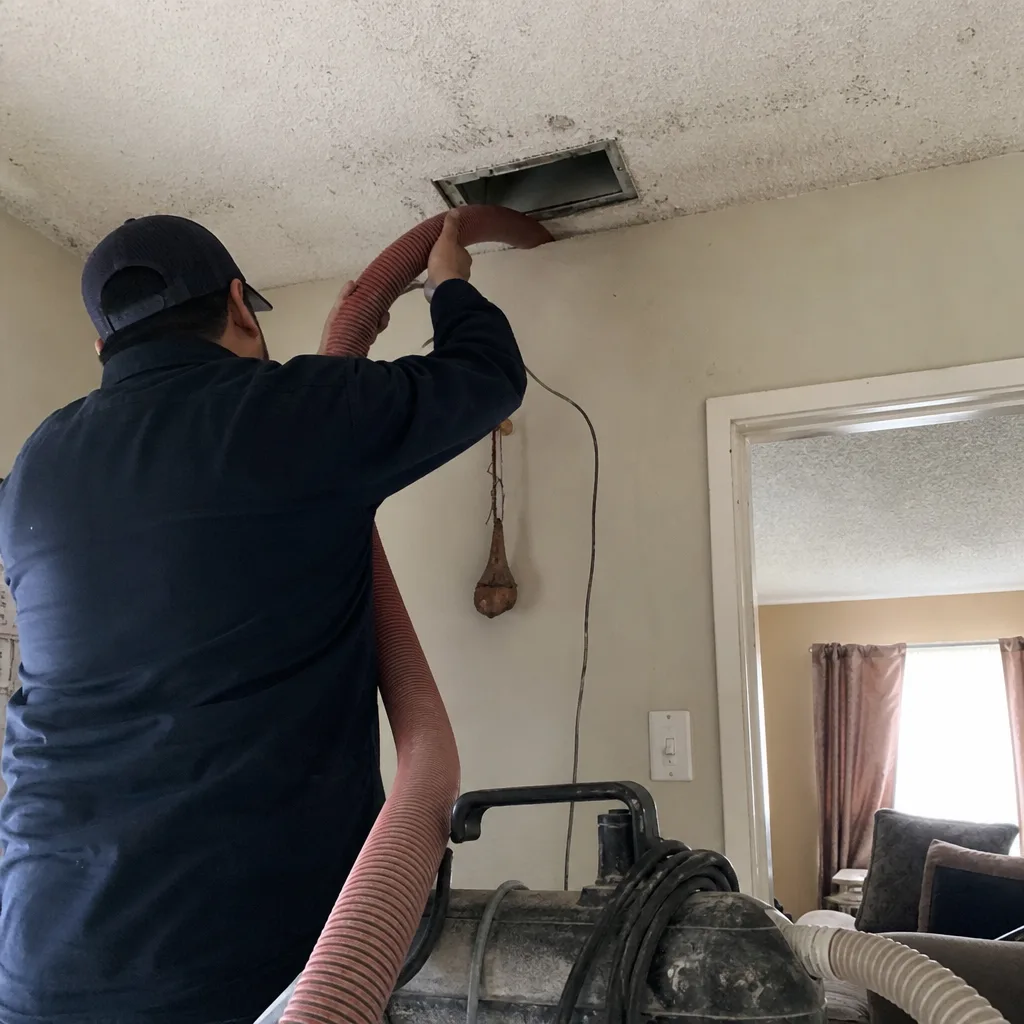 Before
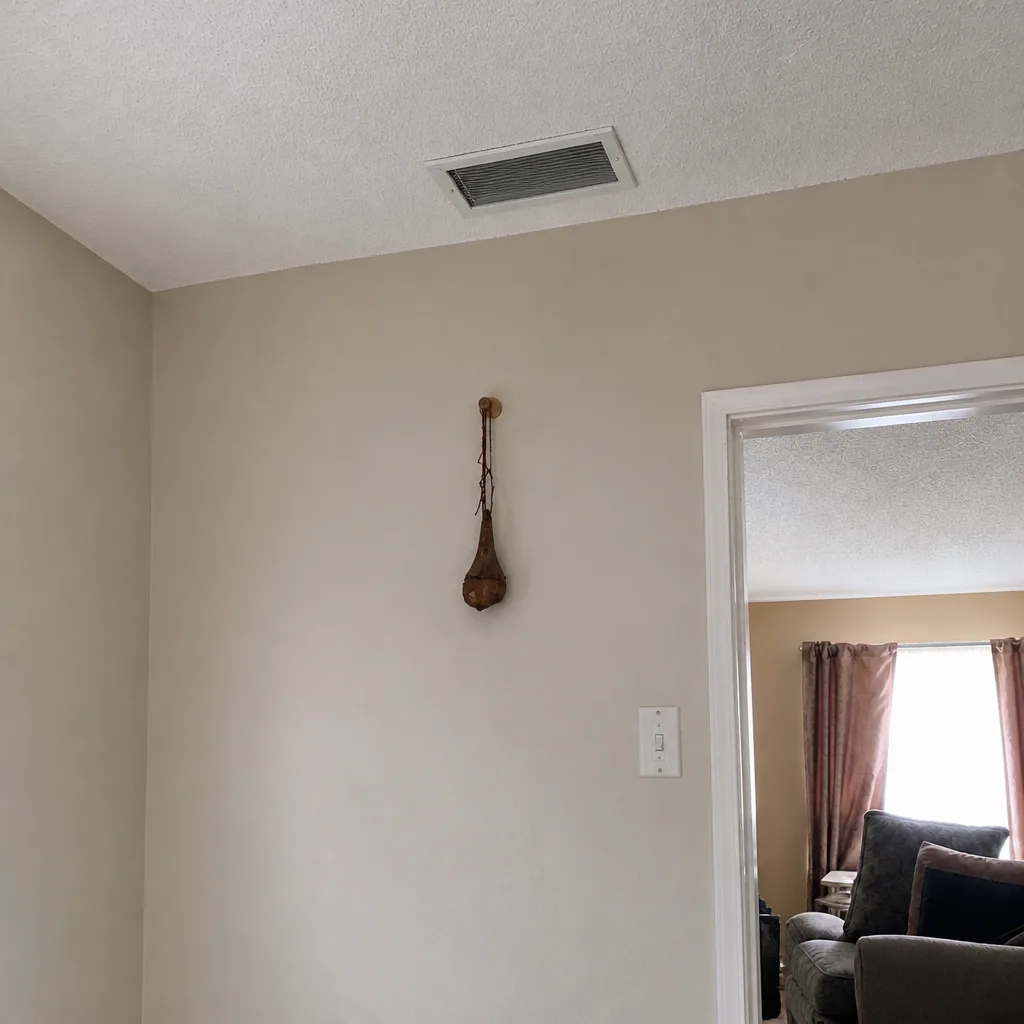 After
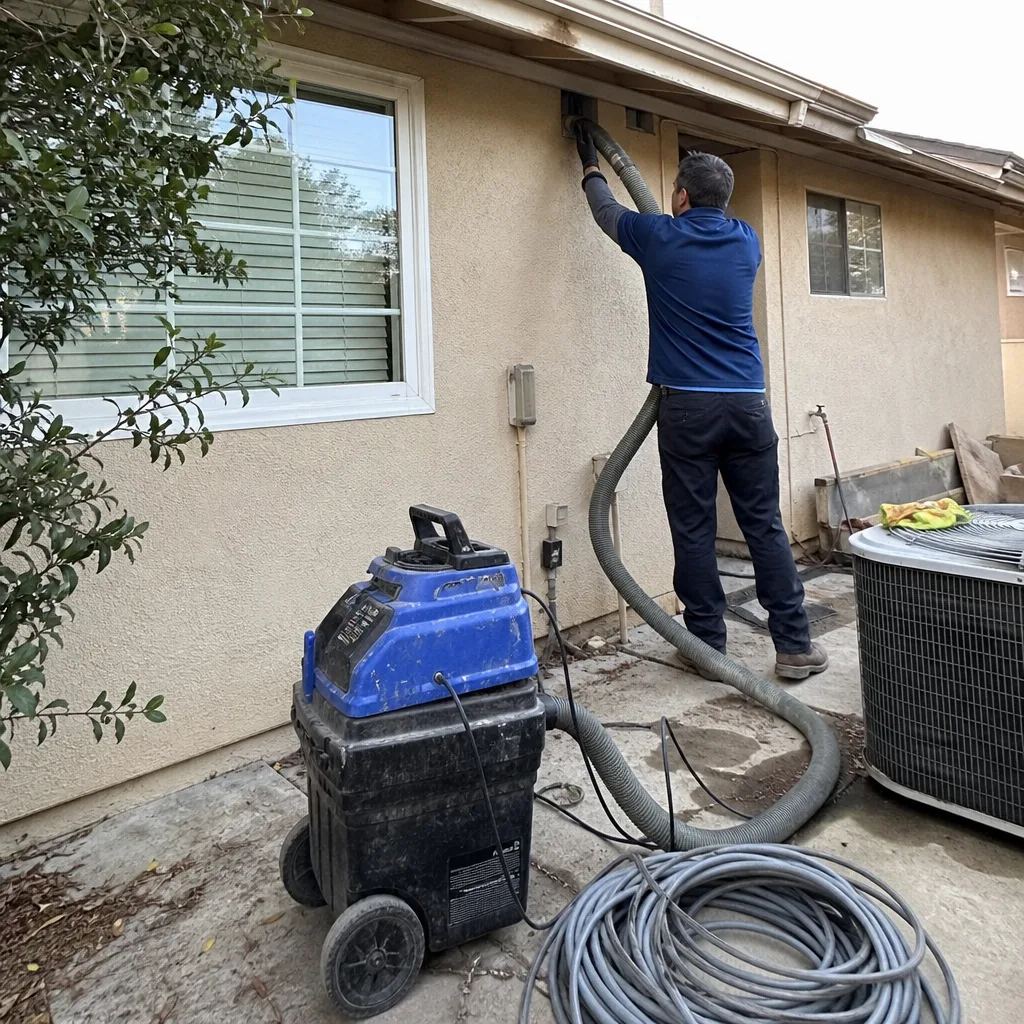 Before
 After
 Before
 After
When to Call a Professional
Call a professional if you have never had the ducts cleaned since moving in, if the previous owners left you no maintenance records, or if you recently completed a renovation. Sheetrock dust, sawdust, and construction debris settle into the return plenum and coat the coil. Call if a family member has unexplained allergy symptoms that worsen at home, or if you keep finding a fine dust film on furniture days after cleaning. Call if your dryer takes two cycles to dry a normal load, which points to a restricted vent run. And call if you open the filter slot and see the filter clogged with pet hair and lint faster than it used to be. Duct Cleaning Simi Valley offers free estimates in Simi Valley. Call (855) 353-2270. We answer 24/7. Fast dispatch from 7am to 7pm, Sunday through Friday.
Frequently Asked Questions
No, air duct cleaning as a maintenance service does not require a city permit in Simi Valley. If the work expands into duct replacement or HVAC modification, a permit may be required, and the contractor should handle that process. Most cleanings, including air handler access and standard repair, fall outside the permit requirement. Ask your contractor to confirm their scope stays within maintenance, and call the city building department if you want a second opinion.
In Simi Valley, a legitimate source-removal cleaning of a typical single-family home runs in the range that reflects the size of the system and the access. A small condo with a short trunk and few registers costs less than a large two-story home with multiple returns and a long flex-duct run. The written estimate sets the final price, and it is always per job, never per vent. Call (855) 353-2270 for an exact quote. Estimates are free.
A proper source-removal cleaning of a 2,000-square-foot home takes at least two to three hours, and often more if the system has multiple returns or the air handler cabinet is heavily loaded. Anything under 90 minutes for a full system is a register blowout, not a cleaning. The technician should seal the system, access the air handler, run contact cleaning tools through every branch, and document the results.
They are separate systems and can be done in either order, but doing both in the same visit is efficient if your dryer vent runs through an attic or wall cavity near the main ducts. The dryer vent cleaning addresses lint and fire risk, while the duct cleaning addresses air quality and airflow. Bundling them saves a second appointment, but each should be itemized separately on the written estimate.
A truck-mounted vacuum typically moves a higher sustained CFM than most portable units, and it keeps the collection point outside the home. A high-quality portable negative air machine like the Nikro units we run can be very effective for certain access situations, like a tight attic or a second-floor system. The distinction matters less than the actual CFM rating. Ask for the number, not the category.
For most homes in Simi Valley, every three to five years is a reasonable interval, but that changes with conditions. Pet owners, homes near open soil or foothill dust, and families with allergy concerns may benefit from more frequent cleaning. A home that just completed a renovation should be cleaned immediately. The best guide is inspection: open a register and look inside, and open the air handler cabinet and look at the coil. If you see visible accumulation, it is time. Call Simi Valley duct specialists at (855) 353-2270 for an honest schedule recommendation.
The Bottom Line
Hiring a duct cleaning contractor in Simi Valley comes down to asking questions a coupon crew cannot answer well. Equipment brand, CFM rating, air handler access, system sealing, written scope, and repair capability: these are the filters that separate a professional source-removal operation from a van with a vacuum. We run Rotobrush and Nikro rigs, we work with Honeywell and Aprilaire filtration, and we repair what other companies only clean around. If you want a company that can answer the equipment question with numbers, call us at (855) 353-2270. Estimates are free, and the price is set per job before work begins.
Written by the team at Duct Cleaning Simi Valley, serving Simi Valley since 2013.