
Last updated November 4, 2026
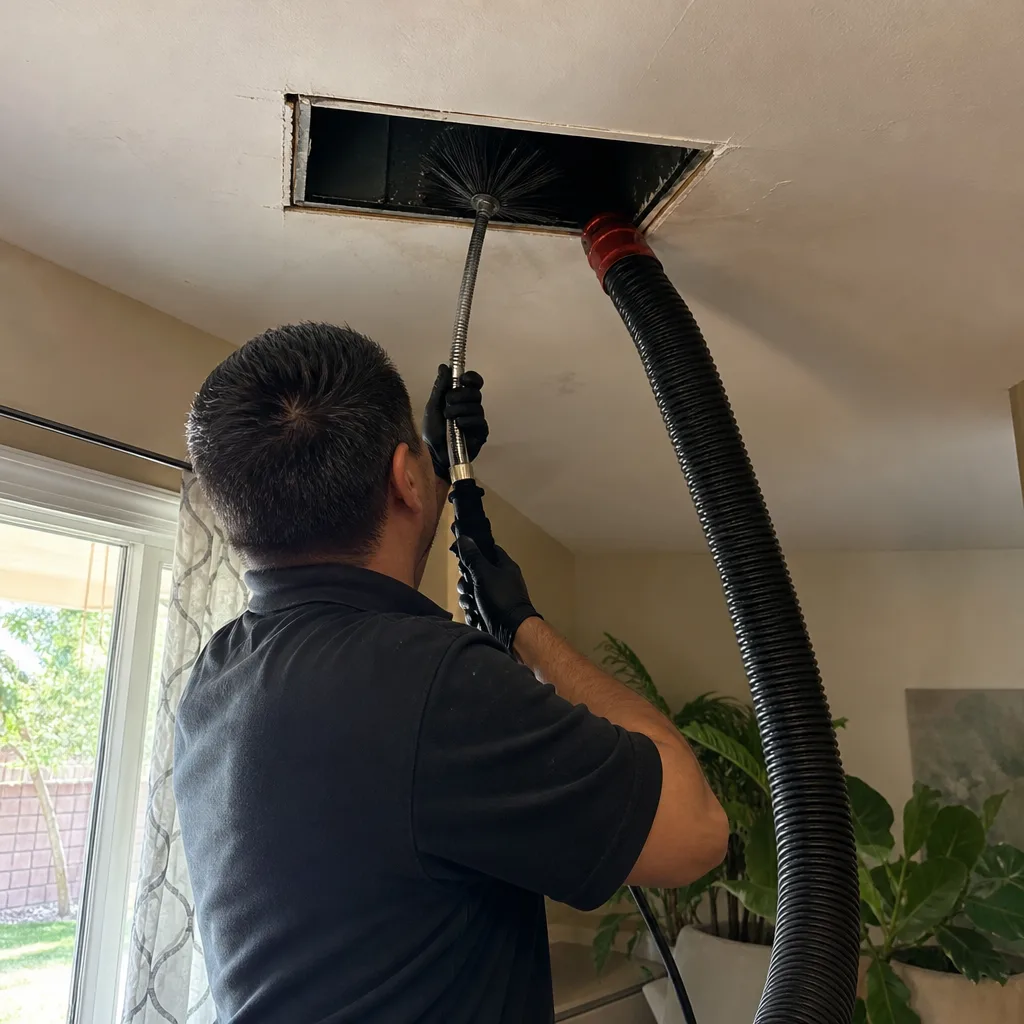
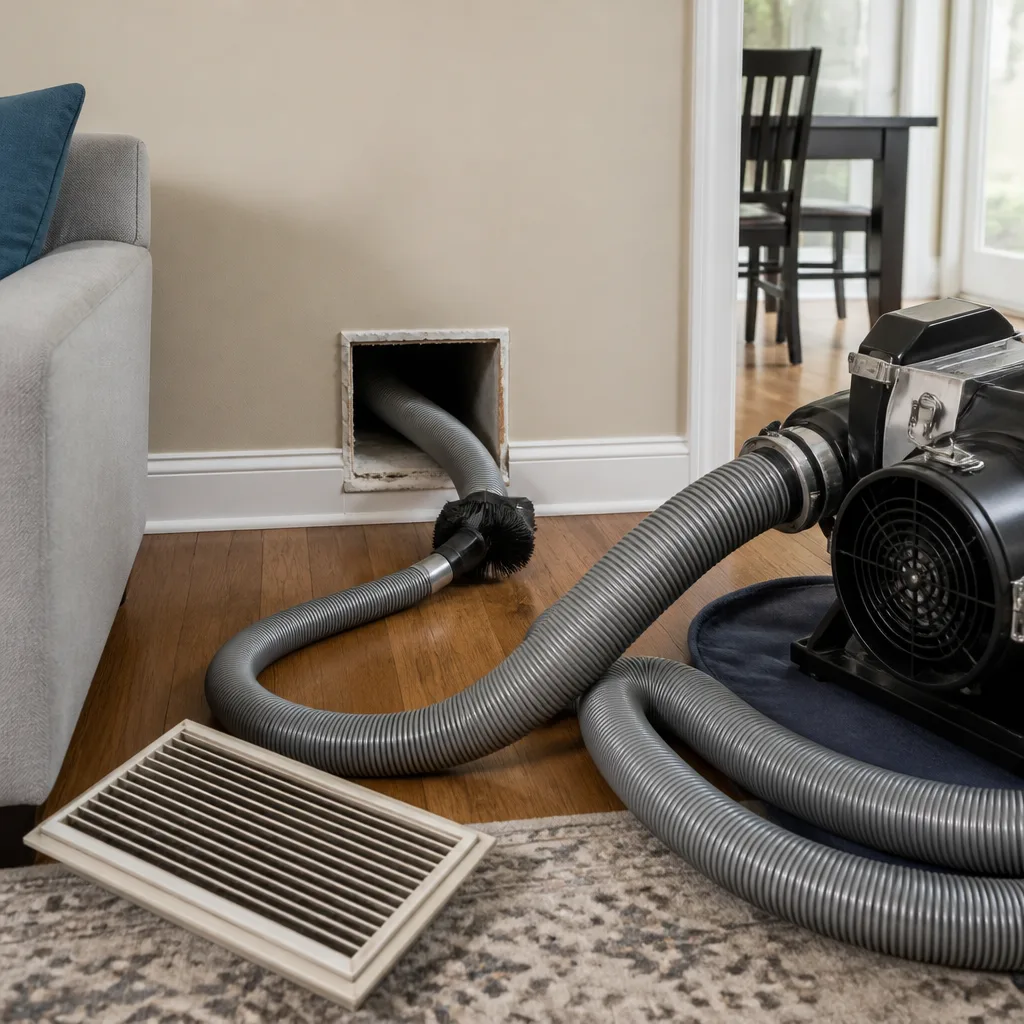 Whole-home duct cleaning
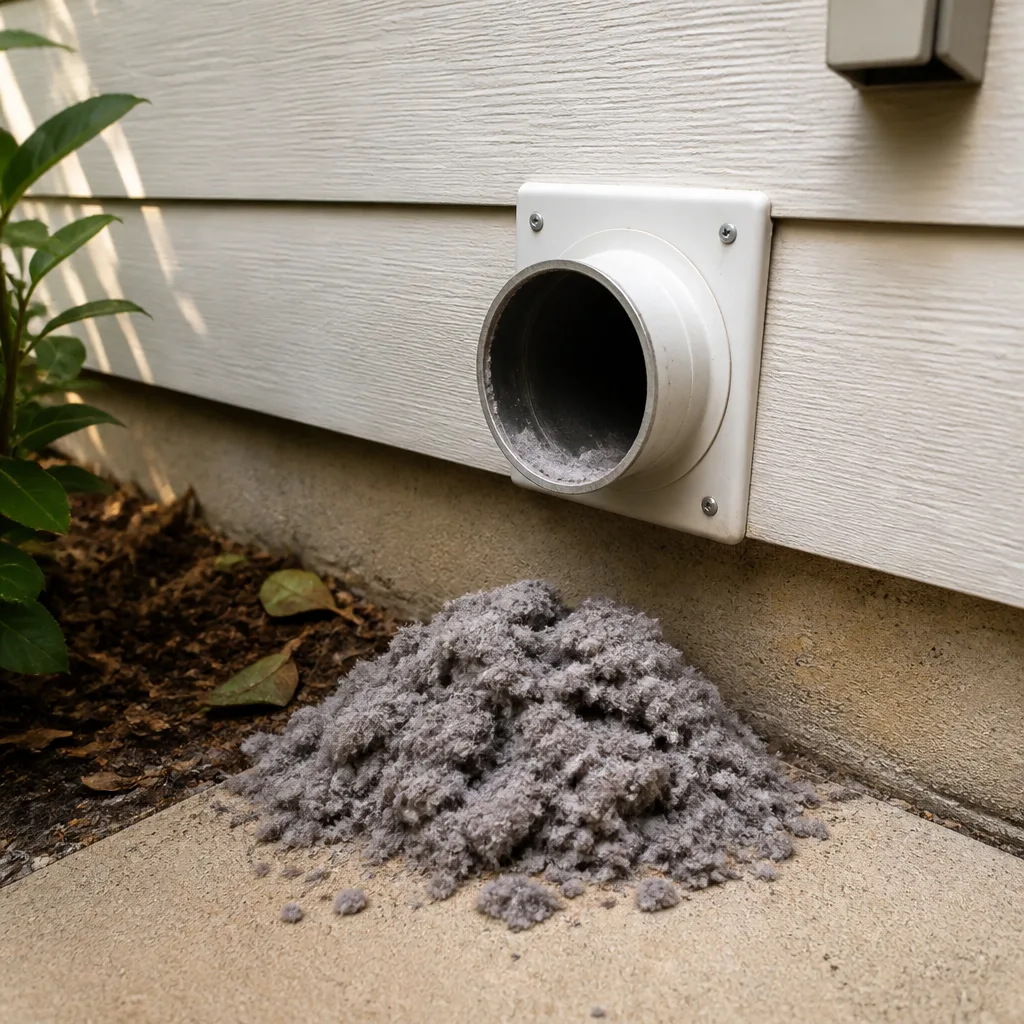 Dryer vent cleaning
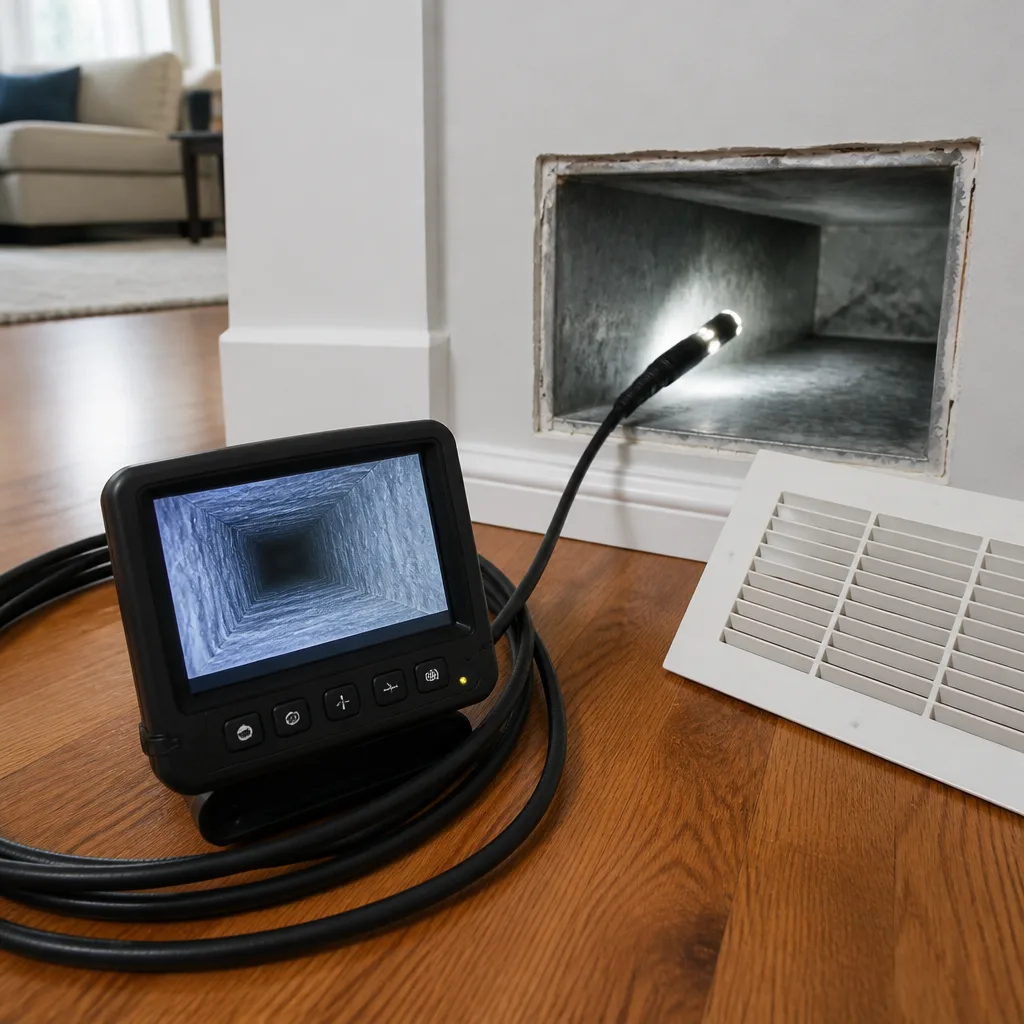 Camera inspection
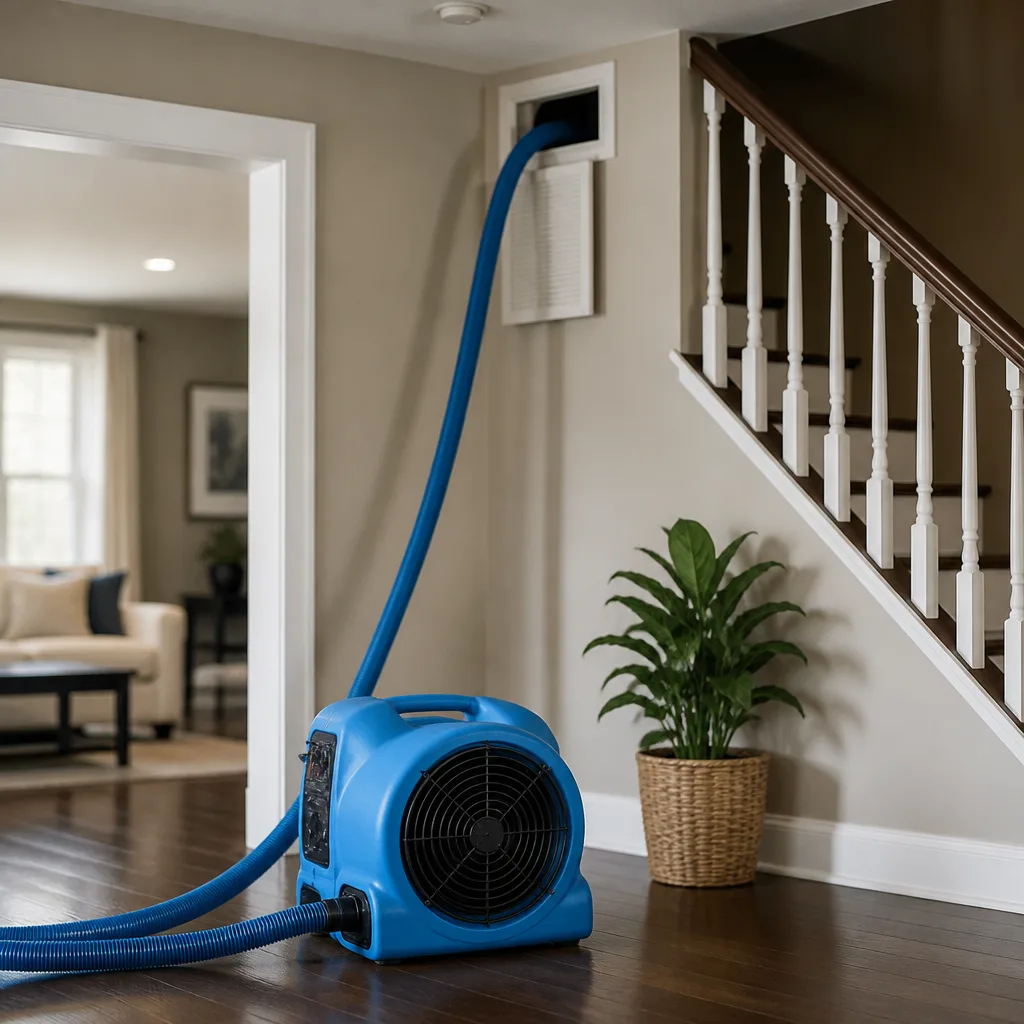 Sanitizing & deodorizing
Whole-system duct and dryer vent check with before-and-after photos - you see exactly what came out of your vents
That "$99 whole-house special" is a bait ad - the real number appears once they are in your hallway, or the "clean" is a shop-vac at the register. We photograph the inside of your ducts before and after instead.
Air Duct Cleaning Maintenance Schedule: What to Do and When
Most homeowners in Simi Valley have been told some version of the same thing: clean your air ducts every three to five years. It sounds reasonable. It fits neatly into a home maintenance calendar. But that number was never meant to be a universal rule. It describes a baseline home with no pets, no smokers, no recent construction, no allergy sufferers, and no wildfire smoke drifting through the neighborhood. Almost nobody in Simi Valley actually lives in that house. The moment you add a golden retriever, a teenager with asthma, or a Santa Ana wind event that coats every register in ash, the math changes. A maintenance schedule built on a static interval fails precisely when you need it most. This guide explains what actually determines how fast ducts degrade, what you can do between professional cleanings, and how to build a schedule that responds to your home instead of a calendar.
Styles & brands we work with
- Whole-home duct cleaning
- Dryer vent cleaning
- Camera inspection
- Sanitizing & deodorizing
Quick Answer
Most Simi Valley homes benefit from professional air duct cleaning every 2 to 4 years, not the commonly quoted 3 to 5. The interval shortens based on specific household conditions: shedding pets, allergy or asthma sufferers, recent remodeling, or a wildfire smoke season can each pull the next cleaning forward by a year or more. Between professional cleanings, replace HVAC filters on schedule, check supply registers monthly for visible buildup, and schedule a cleaning within 60 days after any major smoke event or renovation. If you’ve never had your ducts cleaned and have lived in the home more than four years, you’re overdue.
Table of Contents
- The Real Variables That Determine Your Cleaning Interval
- Simi Valley-Specific Triggers: Fire Season and Santa Ana Winds
- Homeowner Tasks vs. Professional Equipment: Who Does What
- What to Do Between Professional Cleanings
- Filter Grades and Why They Change Your Schedule
- How to Log Duct Condition After Each Service
- Common Mistakes to Avoid
- When to Call a Professional
- Frequently Asked Questions
- The Bottom Line
The Real Variables That Determine Your Cleaning Interval
A useful maintenance schedule is conditional, not calendar-based. The three-to-five-year guideline assumes a specific set of conditions that rarely hold in practice. When those conditions change, the interval should change with them. The goal isn’t to clean more often than necessary. It’s to know when cleaning is actually necessary, and to act before the system becomes a problem rather than after. Here are the variables that matter most in our experience.
Occupancy density. A two-person household generates far less airborne debris than a five-person household with kids running in and out. More people means more skin cells, more clothing fibers, more dirt tracked in from outside, and more demand on the HVAC system. The system runs longer, moves more air, and pulls more particulate through the return side. In a home with four or more occupants, we typically see meaningful duct buildup in two to three years rather than three to five.
Pets. This is the single biggest accelerant after smoking. One medium-sized dog sheds enough hair and dander to noticeably load a filter within weeks. Two dogs or a dog and a cat, and the interior of the ductwork starts collecting a visible coating within a single heating season. Pet dander is also extremely fine, which means it penetrates deeper into the system and lingers longer. Homes with shedding pets should generally clean every two to three years, and more frequently if anyone in the home has pet allergies.
Allergy and asthma sufferers. If someone in the home has respiratory sensitivities, the acceptable threshold for dust, dander, and mold spore accumulation drops considerably. A duct system that a healthy family might tolerate for four years becomes a daily irritant for an asthmatic child. In these homes, we recommend cleaning every two years regardless of other variables, and paying closer attention to filter selection and register cleanliness in between.
Renovation activity. Drywall dust, sawdust, and demolition debris do not stay in the room where they’re created. The HVAC system pulls them into the return ducts and distributes them through the supply side. Even a single bathroom remodel can introduce enough fine gypsum dust to coat duct interiors throughout the house. Any significant renovation should trigger a professional air duct cleaning within 30 to 60 days after the work is complete, regardless of when the last cleaning occurred.
Smoking. Homes where anyone smokes indoors accumulate a sticky residue that binds dust to duct surfaces. This residue cannot be removed with a standard filter change and requires professional extraction. It also accelerates the buildup of everything else. Smoking households should plan on cleaning every one to two years.
The home’s age and duct condition. Older ductwork often has gaps, leaks, or deteriorating seals that pull unfiltered air from unconditioned spaces. A disconnected return duct in an attic or crawlspace can draw insulation fibers and dust directly into the system. Duct repair work, which we perform as part of our service scope, addresses the root cause rather than repeatedly cleaning the symptom. If your ducts have never been inspected for leaks, the next cleaning should include that check.
Simi Valley-Specific Triggers: Fire Season and Santa Ana Winds
Simi Valley sits in a geography that produces two predictable air-quality events, both of which affect duct systems in ways most generic maintenance guides never address. The first is wildfire smoke. When fires burn within range, fine particulate matter infiltrates homes through every gap, and the HVAC system becomes the primary distribution mechanism. The second is the Santa Ana wind season, which drives dust and debris through the air for days at a time. Both events leave measurable deposits inside ductwork, and both should be treated as scheduling triggers rather than calendar anomalies.
After a wildfire smoke event that noticeably affected Simi Valley air quality, the standard recommendation is to schedule a duct cleaning within 60 days. Smoke particulate is extremely fine, and it settles inside the duct system where standard air filters cannot reach it. Every time the system runs afterward, that particulate is redistributed through the home. We’ve seen systems in Simi Valley that looked normal from the register side but carried a visible smoke film throughout the interior after a single bad fire season. If you could smell smoke inside the home during the event, the ducts collected it too.
Santa Ana wind events present a similar but distinct problem. The winds carry dust, pollen, and fine grit from the surrounding landscape, and they pressurize homes in ways that force that material through gaps around doors, windows, and duct penetrations. Homes in Simi Valley often show a noticeable uptick in register dust within days after a strong wind event. A monthly register check, described below, is the simplest way to track this. If you see visible accumulation on supply registers after a wind event, mark it in your maintenance log and adjust your next cleaning date accordingly.
The combination of fire season and wind season means Simi Valley homes often need cleaning more frequently than homes in coastal or inland areas with more stable air quality. It also means the timing matters as much as the interval. Scheduling a cleaning in late fall, after fire season winds down and before the heating system sees heavy use, is often the most practical choice for local homeowners. The system runs harder in winter and early spring here, which means whatever is in the ducts gets more opportunity to circulate.
Homeowner Tasks vs. Professional Equipment: Who Does What
There is a clear line between what a homeowner can reasonably do to maintain duct hygiene and what requires professional equipment and training. Knowing that line saves money, prevents wasted effort, and avoids the false confidence that comes from doing the easy tasks while the hard problems accumulate out of sight. The division is not about skill level. It’s about where the debris actually lives in the system and what kind of force is needed to remove it.
Homeowners can and should do the following:
- Replace HVAC filters on schedule. This is the single highest-impact maintenance task any homeowner can perform. A clogged filter forces the system to work harder and allows more particulate to bypass into the ductwork. Check monthly and replace based on the filter grade and household conditions described below.
- Inspect and wipe supply registers. Remove the register cover, wipe away visible dust, and look inside the first few inches of the duct run. This is a useful early-warning indicator. If registering dust returns within days of cleaning, the system itself is likely holding a significant load.
- Vacuum return air grilles. The return side pulls air from the home, and these grilles collect lint, hair, and dust quickly. A monthly vacuum pass keeps return airflow strong and reduces the material entering the system.
- Keep the area around the air handler clear. The mechanical closet or garage-mounted air handler should have clear space around it. Debris stored nearby gets pulled into the system when it runs.
- Log observations. Note filter replacement dates, register dust levels, any musty odors, and any changes in airflow. This record becomes the basis for an informed cleaning schedule.
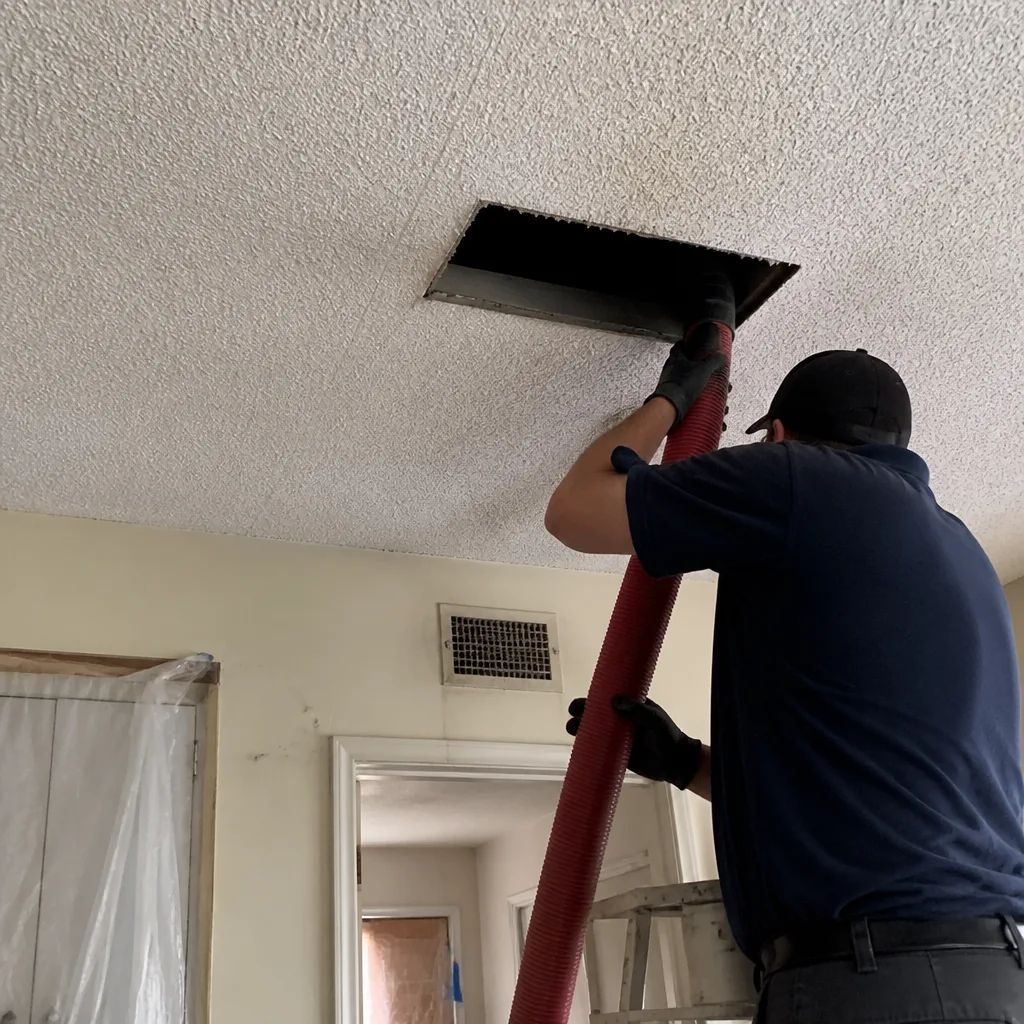
Professional equipment is required for what lives deeper in the system. The interior surfaces of trunk lines and branch runs cannot be meaningfully cleaned with a household vacuum or a brush on a stick. These surfaces require rotary-brush extraction, the method we use with our Rotobrush and Nikro systems, which mechanically scrubs the duct walls while a high-powered vacuum captures the dislodged debris at the point of origin. Air-pressure-only methods, sometimes marketed as “blow-out” cleaning, simply push debris toward the registers or the air handler without capturing it. The difference matters. A rotary-brush system removes material physically. An air wand moves it around.
Professional cleaning also includes inspection of areas the homeowner cannot see: inside the plenum, the evaporator coil, the blower housing, and the return drops. These are the places where contamination concentrates and where duct damage is most commonly found. When we clean a system in Simi Valley, the inspection portion of the job often identifies leaks, disconnections, or damage that would have gone unnoticed for years. We can repair that ductwork on the spot, which is a capability most cleaning-only companies do not offer.
What to Do Between Professional Cleanings
The time between professional cleanings is where most of the actual maintenance happens. A duct system doesn’t degrade on a cleaning schedule; it degrades continuously, and the rate depends on what passes through it. The tasks below are designed to slow that accumulation and provide early warning when the rate increases. They take a few minutes per month and require no special tools.
Monthly: Check supply registers and return grilles. Pull two or three supply registers in different rooms and look at the inside surface of the duct run. A light coating of fine dust is normal. A visible, textured buildup of dust, hair, or pet dander is not. If you wipe a register clean and it shows the same accumulation within two weeks, the system is carrying a load that professional cleaning needs to address.
Monthly: Check and replace the filter if needed. The filter is the first line of defense, and it’s the cheapest component in the system to maintain. A filter left in place too long does two things: it restricts airflow, which shortens equipment life, and it stops capturing effectively because air finds ways around a loaded filter. The right filter grade matters, and that’s covered in the next section.
Quarterly: Inspect the air handler area. If your system is in a garage or closet, look at the area around it. Dust on the cabinet exterior, visible debris around the blower access panel, or any sign of leakage at the duct connections are all worth noting. If you see dark staining or moisture on any duct surface, that’s a mold concern and warrants a professional look.
After any wind or smoke event: Perform a register check. If Simi Valley experienced a Santa Ana wind event or wildfire smoke drifted through, check the registers within a week. Any unusual accumulation is a signal to pull the next professional cleaning forward. This is exactly the kind of conditional adjustment that a static three-to-five-year schedule misses.
Annually: Run the system and listen. Turn the HVAC on and walk through the home. Note any rooms with weak airflow, any unusual noise from the system, and any musty or stale odor when the blower first starts. These are diagnostic clues. Weak airflow in one room often points to a disconnected or collapsed duct branch. Odor at startup frequently indicates dust or biological material on the coil or in the plenum. None of these conditions improve on their own.
If you have a Honeywell whole-home filtration system or an Aprilaire media cabinet installed, the maintenance cadence changes slightly. These systems use a higher-efficiency media that lasts longer but costs more, and they place additional resistance on the airflow. Follow the manufacturer’s replacement interval, not the standard one-to-three month rule for standard filters. We work with Honeywell and Aprilaire equipment regularly, and the correct maintenance of these systems is part of keeping the ductwork clean downstream. A well-maintained media filter catches more material before it ever reaches the ducts, which directly extends the cleaning interval.
Filter Grades and Why They Change Your Schedule
The filter is the throttle on your duct cleaning schedule. A higher-grade filter captures more particulate, which means less material reaches the duct surfaces. It also means the filter loads faster and needs more frequent replacement. Most homeowners only learn the second half of that equation. Here’s how the common filter grades actually behave in a Simi Valley home.
Fiberglass flat panels (MERV 1-4). These are the cheapest filters available, and they exist to protect the equipment, not the occupants. They catch large debris only. Nearly everything respiratory-relevant passes through into the duct system. Homes using these filters need more frequent duct cleaning, full stop.
Pleated standard filters (MERV 5-8). These represent the practical minimum for most homes. They capture a meaningful portion of dust, pollen, and pet dander. With MERV 8 and regular replacement every 60 to 90 days, a typical pet-free Simi Valley home can expect the three-to-four-year cleaning interval to hold.
High-efficiency pleated filters (MERV 11-13). These capture fine particulate including smoke and most allergen-sized particles. They’re appropriate for homes with allergy sufferers, pets, or fire-season exposure. The tradeoff is airflow restriction, so the system needs to be able to handle the added resistance. These filters extend the time between duct cleanings meaningfully, but they also require diligent replacement. A loaded MERV 13 filter strangles the system.
Media cabinets and whole-home filtration (Honeywell, Aprilaire). These use thick media filters, typically 4 to 5 inches, that offer high MERV ratings with lower airflow resistance than a comparable 1-inch filter. They last six to twelve months depending on conditions. Homes with these systems and proper maintenance are the best candidates for the longer end of the cleaning interval.
The filter grade you choose sets the baseline. The household variables adjust it. A home with a MERV 13 filter, one dog, and two allergy sufferers will still need professional cleaning more often than a home with a MERV 8 filter and no pets. But the right filter can add a year or more to the interval, and that adds up over the life of the home. If you’re unsure what your system can handle, the next cleaning is a good time to ask. We can check the static pressure and tell you honestly whether a higher-grade filter is a good fit or a bad idea for your specific equipment.
How to Log Duct Condition After Each Service
Most homeowners never see the inside of their ductwork. The cleaning happens, the technician says it’s done, and the visible result is limited to the before-and-after photos if the company provides them. That’s a missed opportunity. A simple log of duct condition after each service turns a series of disconnected cleanings into a trend line, and that trend line tells you when the next cleaning should happen and whether the rate of accumulation is changing.
Start with the first professional cleaning. Ask for photos, and keep them. A reputable company documents the condition of the plenum, the return drop, and several supply runs before and after the work. These photos become the baseline for every future inspection. When the next cleaning happens, compare the new photos to the old ones. Is the buildup heavier than last time after a similar interval? That’s a signal that something upstream changed: more pets, a filter downgrade, a leak in the return, or a particulate source in the home that wasn’t there before.
Keep a simple log entry after each service:
- Date of service and company. Note who performed the work and the system’s approximate age at the time.
- Observed condition. What did the technician report? Light dust, heavy pet hair, smoke residue, mold concerns, specific branches blocked or damaged.
- Repairs performed. If any duct sections were repaired, sealed, or replaced, record where. This tells the next technician where weak points were found and whether they’ve held.
- Filter grade in use. Note the MERV rating and filter type at the time of cleaning. If the filter was downgraded or upgraded between cleanings, the accumulation rate will reflect it.
- Household changes since last service. New pets, new occupants, renovations, or a particularly bad fire season. These are the variables that explain a change in accumulation rate.
This log does more than schedule your next cleaning. It gives any future technician the context needed to evaluate your system intelligently. When we arrive at a home for a cleaning in Simi Valley, a homeowner who can say “last cleaning was 2022, we had a MERV 8 then, and the return side was clean but the supply branches had moderate dust” gives us a real diagnostic head start. That kind of record is rare, and it’s exactly what the homeowner should expect to keep. It also protects you from unnecessary repeat cleanings. If the log shows light accumulation after three years, the next interval can extend. If it shows heavy accumulation after two, the next interval should shorten. That’s what a conditional schedule actually looks like in practice.
Common Mistakes to Avoid
- Treating the three-to-five-year window as gospel. That interval is a baseline for a home with no pets, no smokers, no renovations, and stable air quality. Very few Simi Valley homes fit that description, and following the guideline blindly means cleanings that happen too late rather than too early.
- Using the cheapest filter and calling it good. A fiberglass flat panel protects the equipment, not the occupants. The savings on filters are more than consumed by the cost of more frequent duct cleaning and worse indoor air quality.
- Skipping a post-renovation cleaning. Drywall dust is fine enough to pass through most filters and sticky enough to coat every surface it touches. It doesn’t dissipate on its own. If you remodeled and didn’t clean the ducts afterward, the dust is still in the system.
- Ignoring register dust as a diagnostic signal. A supply register that accumulates visible dust within days of wiping is telling you something. It means the ducts are loaded. Wiping the register again just hides the symptom.
- Assuming duct cleaning is a DIY task. The accessible parts of the system are a fraction of the total surface area. Rotary-brush extraction with professional vacuum equipment is the standard for a reason, and no household vacuum can replicate it.
- Declining a duct inspection during cleaning. The cleaning is the moment when damage, leaks, and disconnections are most visible. If the company offers an inspection and finds issues, fixing them immediately prevents the next cycle of contamination. We repair ductwork as part of our service specifically because cleaning around a leak is wasted effort.
- Cleaning the dryer vent only when the dryer stops working. This is the most avoidable mistake on the list. Lint buildup is a leading cause of residential dryer fires, and dryer vent cleaning is a fire-safety service that belongs on the same maintenance radar as the HVAC ducts. If the dryer takes longer than one cycle to dry a normal load, the vent is telling you it’s restricted.
When to Call a Professional
Some conditions warrant a call rather than another month of observation. If you see visible mold growth on any duct surface, register, or around the air handler, call immediately. Mold inside ductwork requires professional assessment and, depending on the findings, remediation-grade handling. Our equipment includes Abatement Technologies systems, which are designed for jobs involving contaminated environments rather than routine dust accumulation. If a musty odor persists from the system after filter replacement and register cleaning, it’s time for a professional look. If airflow drops noticeably in a single room, the likely cause is a disconnected or collapsed duct branch, which is a repair issue that cleaning alone won’t resolve. If you’ve experienced a wildfire smoke event or a major Santa Ana wind season in Simi Valley and the registers show accumulation, don’t wait for the next cleaning interval. Duct Cleaning Simi Valley offers free estimates in Simi Valley. Call (855) 353-2270. We answer 24/7. Fast dispatch from 7am to 7pm, Sunday through Friday.
Frequently Asked Questions
Most Simi Valley homes need air duct cleaning every two to four years, with the shorter end of that range applying to homes with pets, allergy sufferers, or recent renovation work. The three-to-five-year guideline assumes an average home with no significant particulate sources, which doesn’t describe most real households. Wildfire smoke seasons and Santa Ana wind events can shorten the interval further. Call (855) 353-2270 for an evaluation of your specific home. We answer 24/7. Fast dispatch from 7am to 7pm, Sunday through Friday.
The most reliable indicators are visible dust accumulation on supply registers within days of wiping them down, a musty odor when the system starts, reduced airflow in one or more rooms, and family members experiencing allergy symptoms that improve when they leave the home. Any of these warrants an inspection. If you’ve lived in the home more than four years without a cleaning, the system is overdue regardless of whether you’ve noticed symptoms.
Yes. If wildfire smoke from Simi Valley’s fire season was strong enough to smell inside the home, the duct system collected fine particulate that standard filters cannot remove. Santa Ana wind events drive dust and grit into homes as well. Schedule a professional cleaning within 60 days of either event, and check the supply registers weekly in the meantime. A visible accumulation on the registers is confirmation that the system interior has been affected.
It can, but only if the filter is maintained properly. A MERV 11 to 13 pleated filter or a Honeywell or Aprilaire media cabinet captures more particulate before it reaches the ducts, which slows accumulation. The tradeoff is that higher-efficiency filters load faster and need more frequent replacement. A loaded high-MERV filter restricts airflow and stops capturing effectively. If you’re considering a filter upgrade, have the system checked for static pressure compatibility first.
The primary difference is the method. Proper duct cleaning uses rotary-brush extraction with high-powered vacuum capture, the method employed by professional systems like Rotobrush and Nikro rigs. This physically removes debris from duct surfaces and captures it at the source. The cheaper alternative, sometimes marketed as a “blow out,” uses compressed air alone and redistributes debris rather than removing it. The second difference is inspection. A proper cleaning includes an evaluation of the entire duct system for leaks, damage, and disconnections, any of which can be repaired during the same visit.
It can, particularly in Simi Valley homes where wildfire smoke, pet dander, and wind-driven dust accumulate in the duct system and recirculate through the living space. The cleaning removes the accumulated load, but the benefit lasts longer when combined with the right filter grade and regular replacement. Homes with allergy or asthma sufferers are typically where we recommend the shorter end of the cleaning interval, usually every two years.
The Bottom Line
A duct cleaning schedule that works is one that responds to the home you actually live in, not the one that fits a generic guideline. Simi Valley homes face specific particulate challenges that don’t exist everywhere: wildfire smoke, Santa Ana wind dust, and the accumulated load of pets, people, and renovations. The variables determine the interval. A household with no pets, a quality filter, and stable air quality can go three to four years. A household with shedding pets, an asthmatic child, and a recent remodel should clean every two. Between cleanings, filter discipline and monthly register checks are the maintenance that matters. And when the system does need attention, choose a company that inspects and repairs what it finds. Cleaning ducts without checking for leaks and damage is half a job. Call (855) 353-2270 for a free estimate. We answer 24/7. Fast dispatch from 7am to 7pm, Sunday through Friday.
Written by the team at Duct Cleaning Simi Valley, serving Simi Valley since 2013.
See the difference
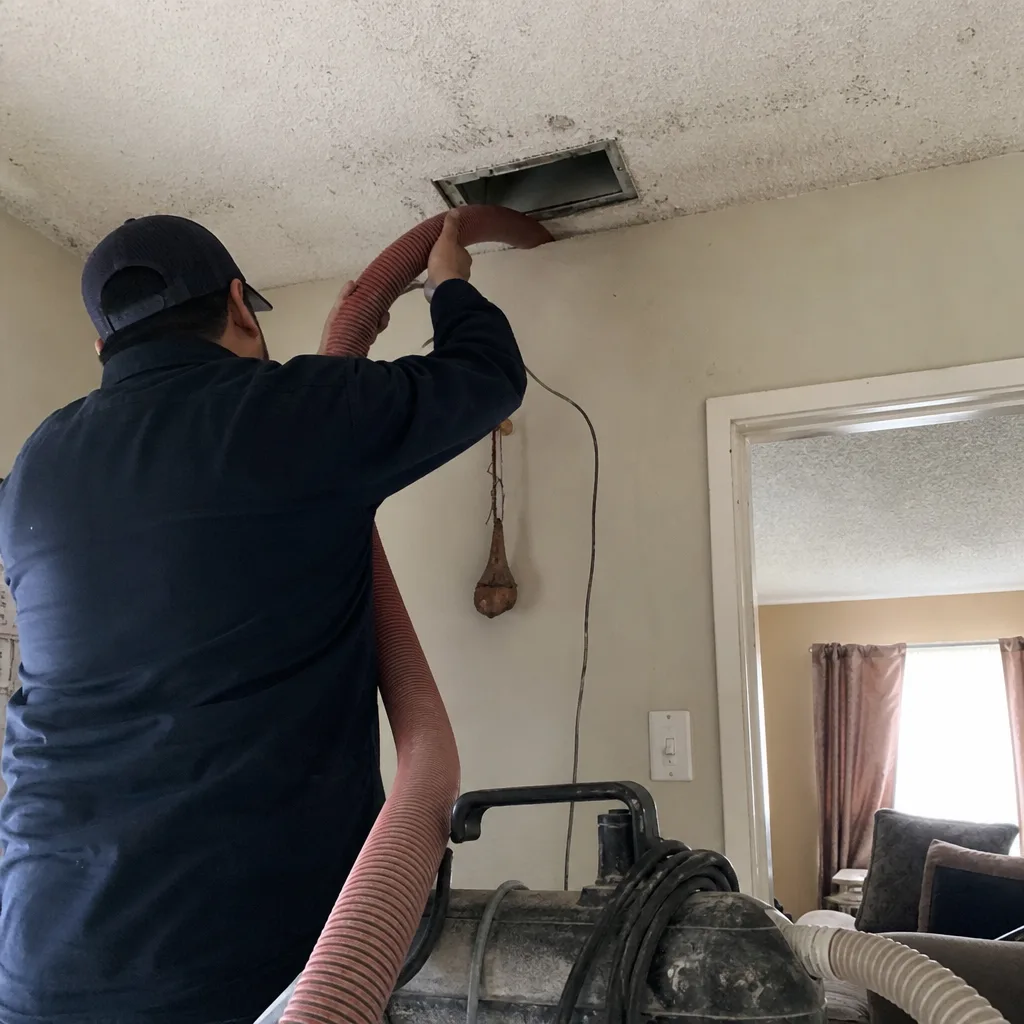 Before
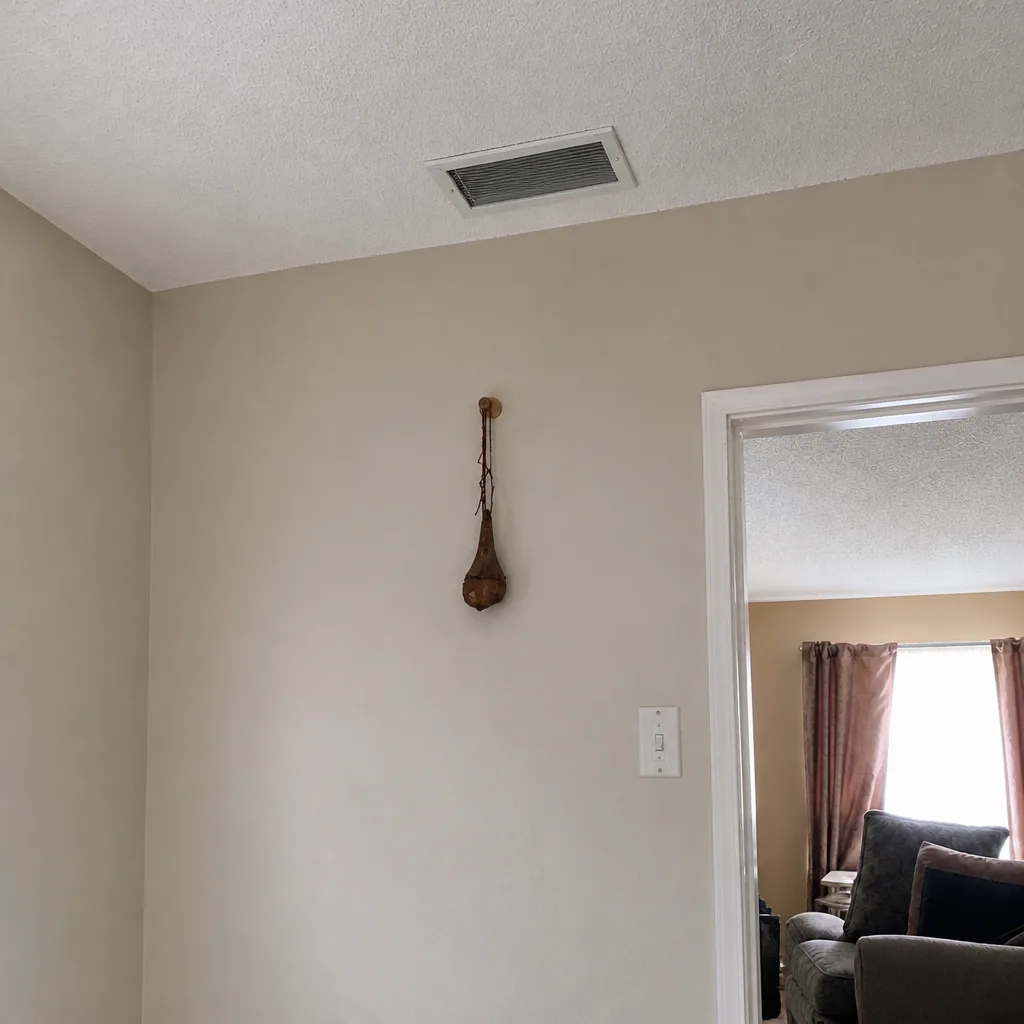 After
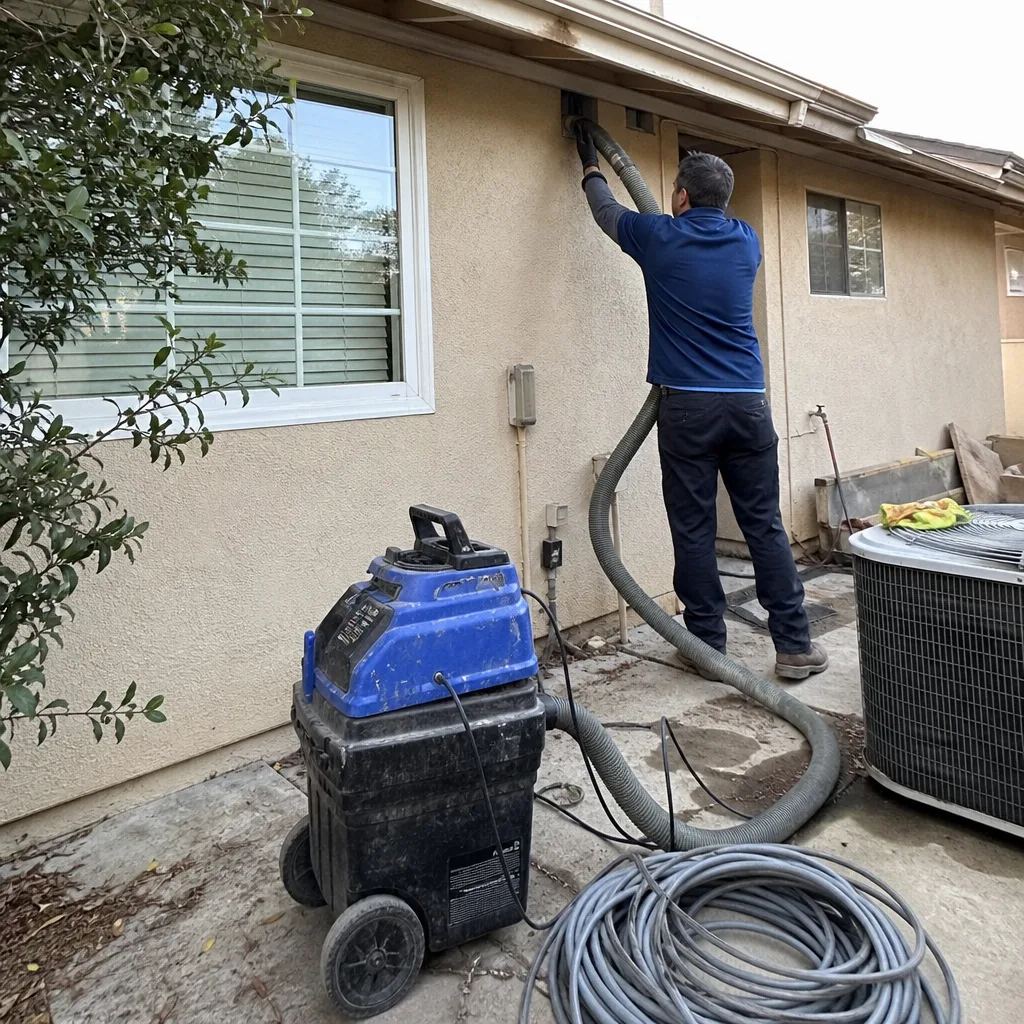 Before
 After
 Before
 After