
Last updated November 4, 2026
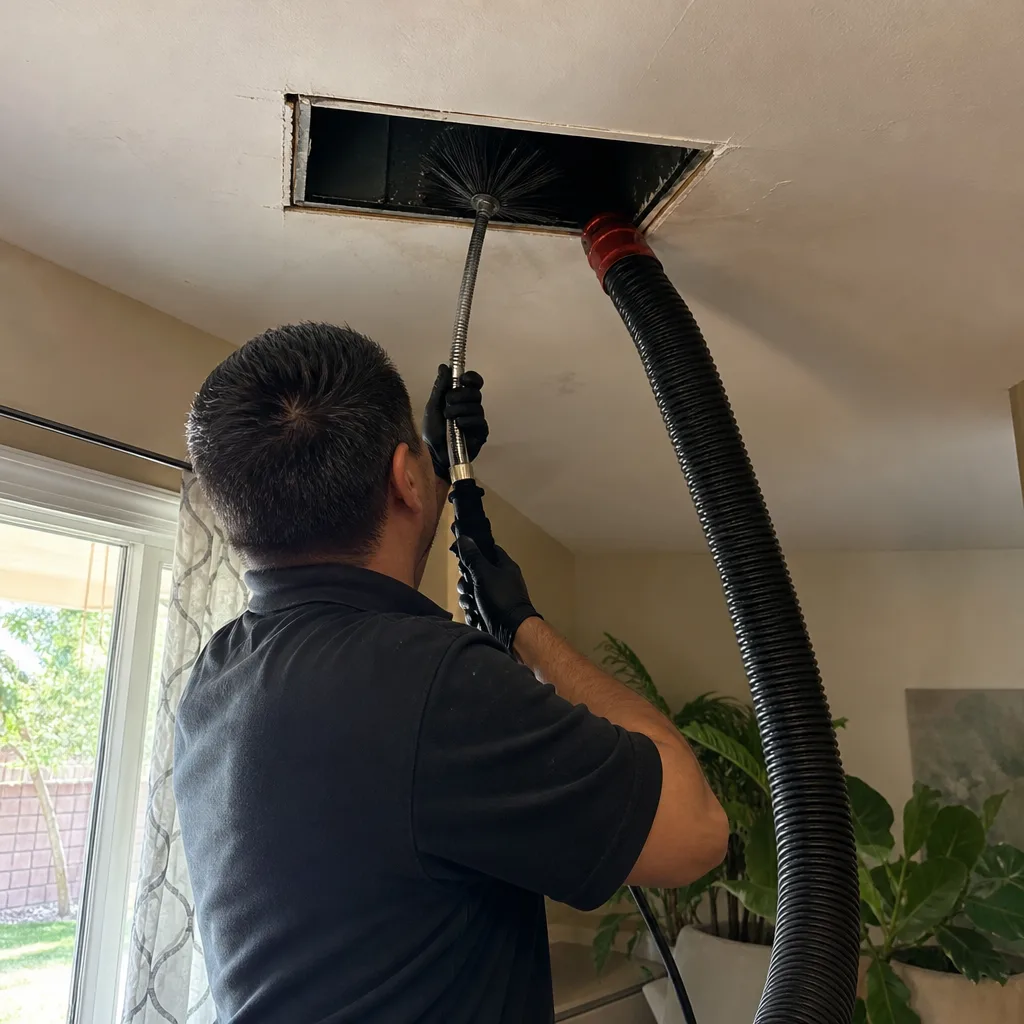
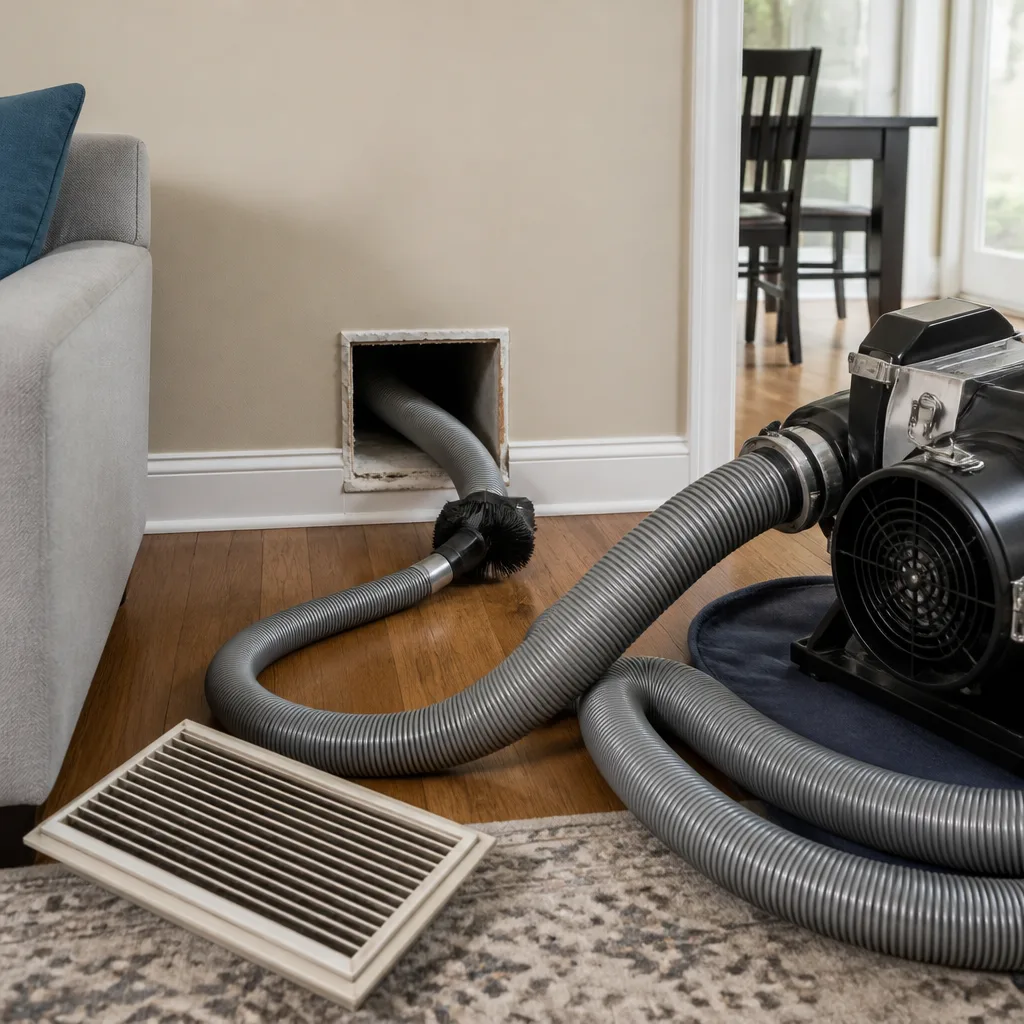 Whole-home duct cleaning
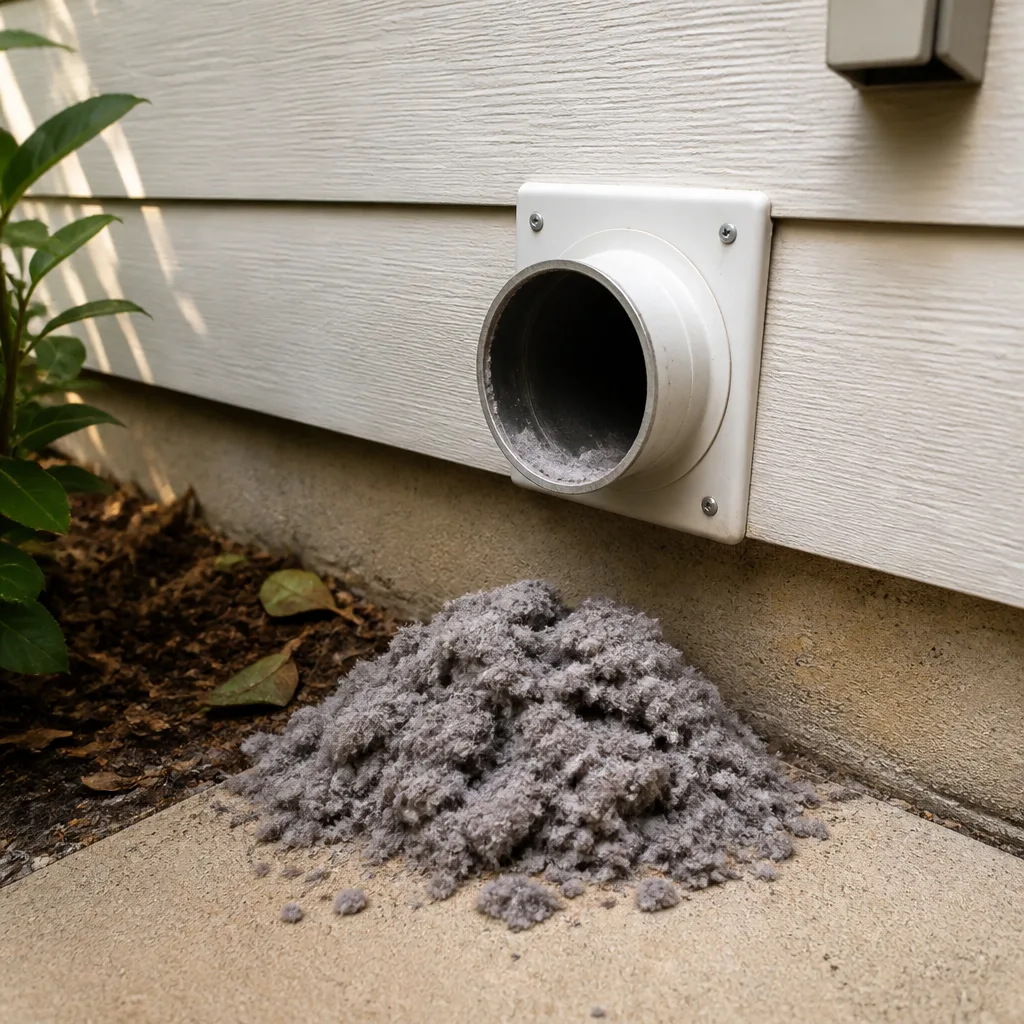 Dryer vent cleaning
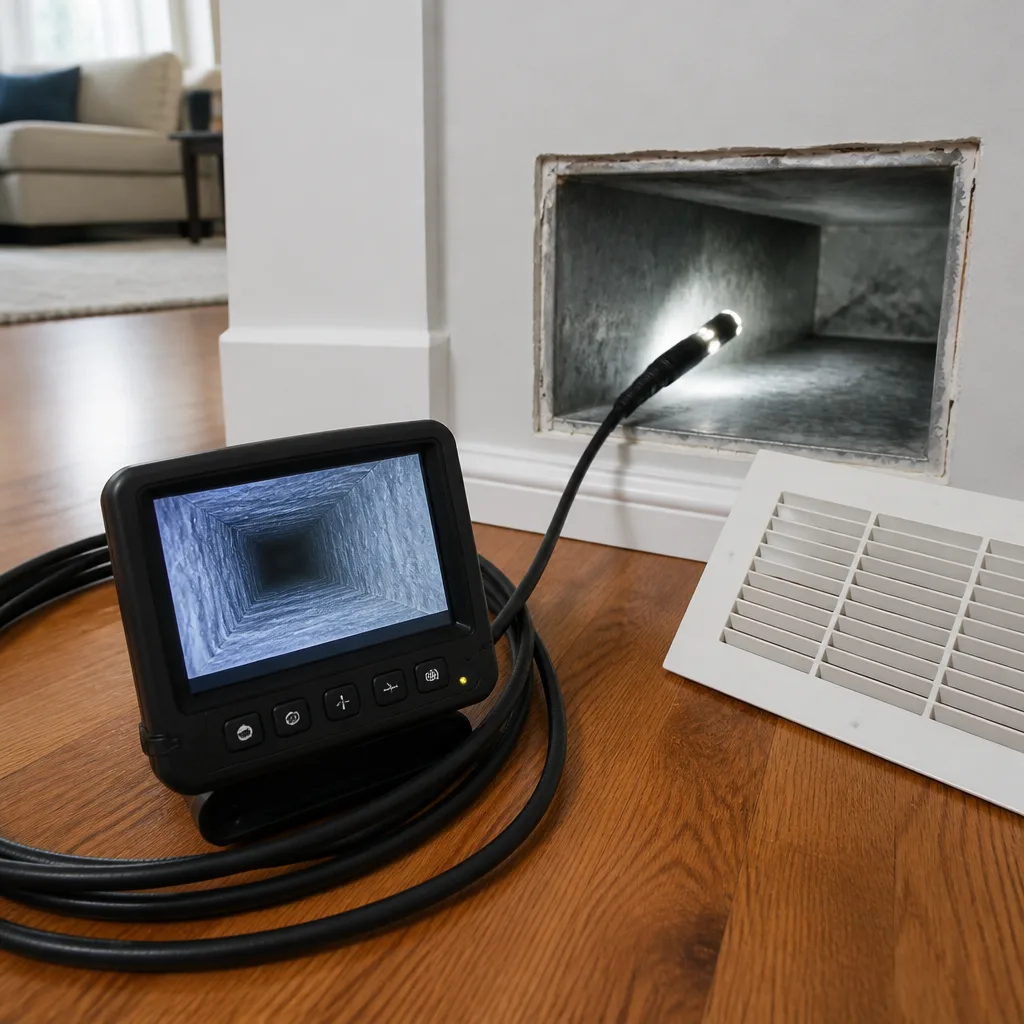 Camera inspection
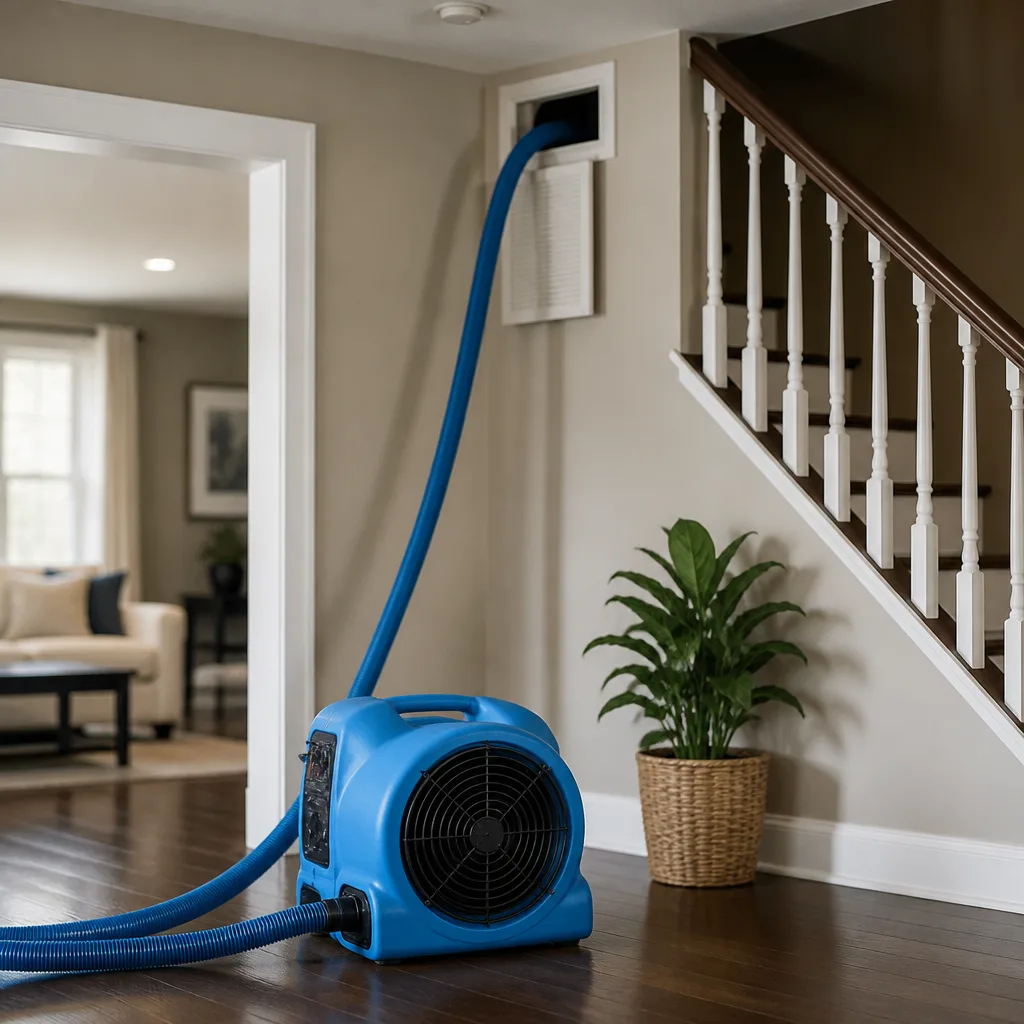 Sanitizing & deodorizing
Whole-system duct and dryer vent check with before-and-after photos - you see exactly what came out of your vents
That "$99 whole-house special" is a bait ad - the real number appears once they are in your hallway, or the "clean" is a shop-vac at the register. We photograph the inside of your ducts before and after instead.
The Complete Guide to Air Duct Cleaning in Simi Valley
Most homeowners assume duct cleaning is a commodity: hook up a vacuum, wave a brush around, done. That assumption is exactly what makes Simi Valley homes different. The valley’s tract-housing boom of the 1970s through 1990s produced thousands of homes with flex duct runs that sag between joists, creating low pockets where fine debris settles and stays. Toss in the particulate load from wildfire seasons and the pressure gradients of Santa Ana winds, and you get duct systems that behave nothing like the generic examples in most cleaning guides. This guide explains how duct cleaning actually works in Simi Valley, what your home’s construction era means for your ducts, and what a full-scope cleaning visit should include. We’ll cover cost ranges, equipment that matters, and the repair questions other companies don’t raise.
Styles & brands we work with
- Whole-home duct cleaning
- Dryer vent cleaning
- Camera inspection
- Sanitizing & deodorizing
Quick Answer
Air duct cleaning in Simi Valley typically runs $400 to $850 for a full system, depending on home size and contamination level. The work should include source-removal extraction (rotary brush plus negative pressure), not a compressed-air blowout. Homes built during the 1970s – 1990s tract era often need additional attention to sagging flex duct, and wildfire smoke particulate can require abatement-grade filtration.
Table of Contents
- How Air Duct Cleaning Actually Works
- What Your Home’s Construction Era Means for Your Ducts
- Wildfire Smoke, Santa Ana Winds, and Duct Contamination
- Source Removal vs. Blowout Cleaning: The Equipment Gap
- What a Full-Scope Cleaning Visit Should Cover
- How Much Does Air Duct Cleaning Cost in Simi Valley?
- Why Duct Repair Belongs in the Same Visit
- Dryer Vent Cleaning: The Fire-Safety Piece
- Common Mistakes to Avoid
- When to Call a Professional
- Frequently Asked Questions
- The Bottom Line
How Air Duct Cleaning Actually Works
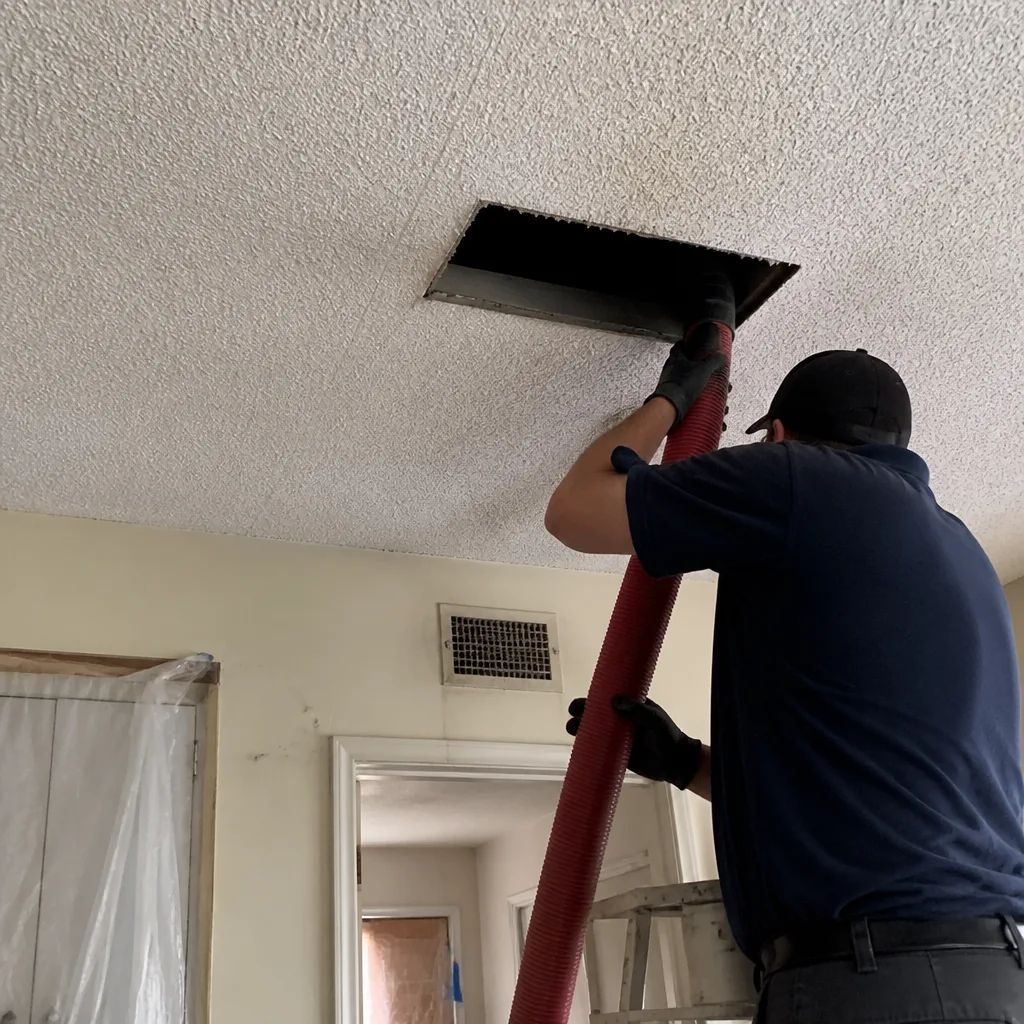
Air duct cleaning removes the accumulated debris inside your HVAC distribution system: dust, pet dander, construction debris, pollen, and particulate that has bypassed the filter. The work involves a vacuum source, an agitation device, and access points cut into the supply and return plenums. In a proper source-removal cleaning, a powerful negative-pressure vacuum is connected to the duct system, and a rotary brush or air whip moves through each run to physically dislodge debris. The vacuum pulls the loosened material out, so it exits the system rather than resettling on registers and furniture.
We use rotary-brush extraction, not just air pressure, so debris is physically removed, not redistributed. The distinction matters because what you can see at the register is only a fraction of what collects further back in the trunks and plenums. A brush rotating through a rectangular metal trunk will lift caked dust that a blast of air simply skips over. In flex duct, where debris settles in sagging sections, the brush head works through the spiral of the inner liner and pulls material back toward the collection rig. If you’ve had a cleaning that seemed to stir up more dust than it removed, the odds are the crew used a blow-and-go approach with a small portable vacuum at the register face.
A full cleaning also addresses the return side. Return ducts, especially those running through unconditioned crawlspaces, tend to draw dust from building cavities around unsealed joints. Cleaning only the supply side leaves half the system untouched, and the first time the blower cycles, that return-side debris finds its way right back through the coil and into your living space.
Key Takeaways
- Source-removal cleaning uses agitation plus negative pressure; blowouts just push dust around.
- Return ducts matter as much as supply runs; skipping them voids most of the benefit.
- Flex duct needs brushing, not just vacuum, because debris packs into sag points.
What Your Home’s Construction Era Means for Your Ducts
Simi Valley’s housing stock breaks into fairly distinct eras, each with its own ductwork tendencies. Homes from the 1960s and earlier, found in older pockets of the valley, often have short runs of rigid metal duct that weigh a lot but hold up structurally. These systems mostly need cleaning, not repairs, though they frequently show gaps at joints where decades of expansion have loosened crimps and tape.
The tract-development boom from the mid-1970s through the 1990s produced the majority of Simi Valley’s single-family homes, and this era is where we see the most consistent problems. Builders ran flex duct fast and cheap, draping it through attics with minimal support strapping. Over time, the bend radius tightens, the inner liner develops sags, and debris pools in those low spots. A standard vacuum pass doesn’t reach packed material in a sag; it needs a rotating brush head worked slowly through each affected run. These homes also tend to have undersized return drops, which increases air velocity at the filter grille and pushes more particulate past the filter into the coil and duct interiors.
Newer construction, roughly post-2000, generally shows better-suspended flex runs and better mastic sealing, but it brings a different issue: tighter envelopes. When a home exchanges less outside air, whatever particulate enters the duct system stays in the indoor loop longer, recirculating through bedrooms and living spaces. This isn’t a construction flaw; it’s a consequence of energy codes, and it means cleaning frequency matters more, not less.
If you don’t know which era your home falls into, check the attic. Rigid metal is easy to spot, and flex duct with visible sagging between supports tells you what a cleaning crew will find before they even turn on the equipment.
Wildfire Smoke, Santa Ana Winds, and Duct Contamination
Simi Valley sits in a fire-prone corridor, and the region’s wildfire history has shaped what accumulates inside local ductwork. Smoke from events like the Woolsey Fire and the Easy Fire leaves a fine, sticky particulate that behaves differently from household dust. It’s finer than most filter media, carries combustion byproducts, and adheres to duct walls where it can sit for years. Standard mechanical agitation removes some of it, but the smaller fraction lingers unless the vacuum side includes high-efficiency filtration.
Santa Ana winds compound the problem seasonally. When those northeast winds kick up, outdoor particulate counts jump, and the pressure differences around exterior walls push unsealed attic air into return plenums through any gaps in the duct connections. The return side becomes a passive intake for windblown dust, fine sand, and the same debris that coats patios and window screens. If a home’s return ducts run through an unconditioned attic with old tape seals, a Santa Ana event can add more material to the duct interiors in a weekend than a year of normal operation.
A practical response is to inspect filter media and return grille surfaces shortly after a strong Santa Ana event. If you see reddish-brown or gray fine particulate caked on the filter edges, your return system has been pulling unfiltered attic air. A full cleaning should pay particular attention to the return plenum and the first few feet of return flex, where wind-driven material tends to pile up first. Abatement Technologies equipment on hand means a contaminated duct environment gets addressed with the right filtration on the vacuum side, not just a standard filter bag that lets the fine fraction escape back into the home.
Source Removal vs. Blowout Cleaning: The Equipment Gap
The duct cleaning industry has a wide gap between what the equipment can do and what some operators actually bring to a job. Most homeowners have no frame of reference, so the difference never gets explained until a second company comes in and finds what the first one left behind. Here’s the honest breakdown.
A coupon blowout typically involves a portable shop-style vacuum connected at one register and a compressed-air line whipped into another. The air dislodges some debris; the small vacuum catches what floats back toward its inlet. The trunk lines, the return drop, the air handler cabinet, and the coil box never get touched because the equipment doesn’t have the reach or suction to service them. Debris loosened in the trunk either falls back into low spots or gets pushed toward registers and grilles, which is why many homeowners see more dust on furniture after a blowout than before.
Source-removal cleaning reverses the logic. The system is placed under negative pressure at the plenum or air handler connection, and the agitation tool is fed through each run from the register side. The debris is pulled toward the vacuum source, not blown away from it. Rotobrush and Nikro systems are built for this method, with rotating brush heads sized to the duct dimensions and vacuum rigs that can hold negative pressure over a full residential system. Long flex runs, where debris packs into sagging sections, are exactly where rotary agitation and sustained suction make the difference.
We use rotary-brush extraction, not just air pressure, so debris is physically removed, not redistributed. The equipment matters because the physics of the job don’t change: a duct is an enclosed space, and a low-volume vacuum at one end cannot move air fast enough through a 25-foot run to carry dense material out. If you’re comparing quotes, ask what kind of vacuum rig the company brings and whether it connects at the air handler cabinet or just at a register. The answer will tell you more than the price.
What a Full-Scope Cleaning Visit Should Cover
A complete duct cleaning is more than a pass through the supply registers. Skipping any section of the system leaves a reservoir of debris that re-contaminates the cleaned portions within weeks. Here’s what a full-scope visit includes, in order:
- System assessment and filter access. The technician checks the air handler, the filter cabinet, and the blower wheel for visible buildup before cleaning starts. This tells the crew where the bulk of the debris is concentrated.
- Supply run cleaning. Each supply register is opened, and every flex or metal run from the plenum to the register boot gets the brush-and-vacuum treatment.
- Return plenum and return runs. The return side gets the same attention, including the main return drop and any secondary returns in bedrooms or hallways.
- Air handler cabinet and blower. The combustion chamber, blower wheel, and evaporative coil box are inspected and the accessible surfaces are cleaned. A coil caked with dust is a pressure drop that strains the blower.
- Filter installation or replacement. If the home uses a standard media filter, the technician confirms fitment and recommends replacement if needed. We work with the equipment already in your home, including Honeywell and Aprilaire systems, and clean around it, not past it.
- Post-cleaning inspection and report. The technician walks through what was found, what was removed, and any damage or leaks spotted during the work.
The order matters because cleaning supply runs before addressing the air handler lets debris pulled toward the unit drop back into the plenum afterward. A careful crew starts at the furthest run and works back toward the vacuum connection, so the last material removed is the material closest to the equipment.
How Much Does Air Duct Cleaning Cost in Simi Valley?
Air duct cleaning in Simi Valley typically lands between $400 and $850 for a full system. The spread depends on square footage, number of supply runs, accessibility of the air handler, and contamination level. Homes that have never been cleaned, or that show wildfire particulate accumulation, tend toward the upper end because the work takes longer.
Here’s a typical breakdown of what drives the estimate:
| Factor | Typical Range or Note |
|---|---|
| Full system cleaning, 1,500 – 2,000 sq ft | $400 – $600 |
| Full system cleaning, 2,500 – 3,500 sq ft | $600 – $850 |
| Severe contamination or wildfire particulate | Adds $100 – $200 for abatement-grade filtration and extra pass time |
| Additional return runs or zoning systems | Adds $50 – $100 per extra return |
| Air duct repair (sealing, reconnecting, replacing damaged flex) | Quoted separately, based on what’s found |
| Dryer vent cleaning (same visit) | $100 – $175 depending on run length and access |
These are typical ranges, not a quote. The written estimate after an inspection sets the final price. Anyone who gives you a hard number over the phone without seeing the system is guessing.
Why do quotes vary so much? Because some companies price a blowout and others price a source-removal cleaning. A $99 register sweep is not the same job. If the crew shows up with a small portable vacuum and a compressed-air line, that price is low because the work is shallow. A source-removal cleaning with professional-grade rotary brush and negative pressure equipment takes longer and costs more because it reaches the trunk lines, returns, and air handler. One flat price per system agreed before work starts removes the bait-and-switch dynamic this industry is known for. The estimate is free, and the price is set per job by the written estimate, not by upselling from the van.
Why Duct Repair Belongs in the Same Visit
Most cleaning companies will document damaged ductwork and tell you to call someone else. That handoff is where good intentions stall. A homeowner sees a photo of a disconnected return, calls a separate contractor, schedules a second visit, and weeks later the repair still hasn’t happened while the clean system keeps pulling attic air through the same gap. Our technicians can repair damaged ductwork on the spot, not just document it. A disconnected flex run, a crushed section, a leaking plenum joint: these are common in Simi Valley attics, and the fix often takes less time than the cleaning itself.
The relationship between cleaning and repair is practical. If you clean a system with a disconnected return, the negative pressure from the blower keeps pulling unfiltered air into the loop, and within months the ducts look like they were never cleaned. Repairing the leak as part of the same visit closes the system so the cleaning investment holds. If contamination is the concern, we have the abatement-grade tools to address it properly, which matters when the problem isn’t dust but mold or heavy debris that requires more aggressive filtration on the extraction side.
Dryer Vent Cleaning: The Fire-Safety Piece
Dryer vent cleaning isn’t an add-on afterthought. It’s a fire-safety service we take as seriously as the ducts themselves. Lint is a combustible fuel source, and the dryer vent is the one exhaust path in the home designed to carry heat, moisture, and fine fiber particulate out to the exterior. When that path narrows with lint buildup, the dryer runs hotter, clothes take longer to dry, and the risk of a vent fire climbs.
The connection to air duct cleaning is logical. Both systems move air, both accumulate debris, and both need specific tools to clean properly. A dryer vent requires a rotary brush matched to the vent diameter, fed through the full run from the dryer to the exterior termination. The technician also checks that the termination damper opens freely and that the vent pipe itself isn’t sagging or kinked. Homes with long vertical runs or second-floor dryers need particular attention because lint collects at the bottom of riser sections. We include dryer vent cleaning as part of the core service menu, not as an upsell item, because a fire-safety task shouldn’t depend on the customer knowing to ask for it.
Common Mistakes to Avoid
- Hiring a blowout and calling it a cleaning. A compressed-air pass with a small vacuum doesn’t reach trunk lines or returns. The job costs less because the work is incomplete, and the debris often ends up distributed through the living space instead of removed.
- Skipping the return side. Return ducts in Simi Valley homes often run through unconditioned attics and pull windblown particulate through unsealed joints. Cleaning only the supply side leaves the other half of the loop untouched.
- Ignoring visible flex duct sagging. In tract-era homes, sagging flex runs are where debris packs in and where cleaning should focus. Straightening support strapping and brushing sag points is part of a proper job.
- Believing a phone quote. A price given before inspecting the system is a placeholder. The written estimate after a visual inspection sets the final price, and anyone pricing a full source-removal cleaning will want to see the job first.
- Treating dryer vent cleaning as optional. A clogged dryer vent is a fire hazard and a wear-and-tear factor on the dryer. It belongs in the same service visit as the air ducts.
- Assuming a filter change equals duct cleaning. The filter protects the equipment, not the ducts. Debris already in the system stays until a brush and vacuum removes it.
- Hiring two companies instead of one. Separating cleaning from repair means coordination delays and a system that stays compromised between visits. A single crew that can clean, repair, and service the dryer vent in one day removes the scheduling friction.
When to Call a Professional
Call a professional when the signs are visible and persistent: dust accumulating quickly after cleaning, registers with visible gray or brown buildup, rooms that stay stuffy despite the HVAC running, or a filter that fouls faster than normal. If a Santa Ana event or wildfire smoke season has just passed and your filter edges show fine particulate, the ducts likely swallowed the same material. New construction and renovation periods also leave drywall dust and sawdust in duct runs that mechanical agitation removes far better than household vacuuming ever could. If you notice airflow dropping in specific rooms, that’s a duct problem, not a fast filter problem. For a clear-eyed assessment, Duct Cleaning Simi Valley offers free estimates in Simi Valley. Call (855) 353-2270. We answer 24/7. Fast dispatch from 7am to 7pm, Sunday through Friday.
Frequently Asked Questions
Air duct cleaning in Simi Valley typically runs $400 to $850 for a full system, with most homes in the 1,500 to 2,500 square foot range falling between $450 and $650. Severe contamination, extra return runs, or wildfire particulate push the price higher because the work takes longer and requires abatement-grade filtration. Call (855) 353-2270 for a written estimate; the inspection is free.
Cheap quotes usually reflect a shorter job: a blowout at the registers instead of a source-removal cleaning that brushes and vacuums the entire system. The equipment difference is a portable shop vacuum versus a professional rotary-brush and negative-pressure rig. One flat price per system agreed before work starts removes the bait-and-switch dynamic this industry is known for. Call (855) 353-2270 to compare what’s actually included.
A proper cleaning ends with a walkthrough: registers opened, the air handler cabinet and coil box shown to you, and a summary of what was found. Before-and-after photos of register interiors and the blower cabinet are standard practice. If a crew finishes in under an hour and never opens access beyond the register faces, the work was surface-level. Call (855) 353-2270 for a full-scope cleaning that covers supply runs, returns, and the air handler.
Every 3 to 5 years is a reasonable interval for most Simi Valley homes, with shorter gaps after wildfire smoke events, renovation work, or heavy Santa Ana seasons that push fine particulate into return ducts. Homes with pets, allergy sufferers, or smokers in the household also trend toward more frequent cleaning. If your filter is fouling fast or dust returns within days of cleaning, the system needs a look.
Yes. Flex duct has an inner liner with spiral corrugations that trap fine debris, and sagging sections in tract-era Simi Valley homes create low pockets where material settles beyond the reach of a straight vacuum pass. A rotary brush head worked slowly through each run is the difference between a clean flex system and one that looks clean at the register but stays packed in the middle. Call (855) 353-2270 to book an inspection of your specific runs.
Yes. We work with the equipment already in your home, including Honeywell and Aprilaire whole-home filtration systems, and clean around it, not past it. The filter cabinet, the purification unit, and the duct connections are all accessed and cleaned as part of a full-scope visit. Call (855) 353-2270 to schedule a walkthrough of your system and ductwork.
It is. Lint is a combustible fuel source, and a restricted dryer vent forces the dryer to work harder, run hotter, and push less air to the exterior termination. Homes with long vertical runs or second-floor dryers are particularly prone to buildup at riser sections. Dryer vent cleaning is part of the core service menu at Duct Cleaning Simi Valley, not an add-on afterthought.
The Bottom Line
Simi Valley homes carry a specific set of duct conditions: flex duct sagging from the tract-building era, fine wildfire particulate from seasonal smoke events, and windblown dust pushed into returns during Santa Ana conditions. A real cleaning addresses all of it with rotary-brush extraction, negative pressure on the vacuum side, and full coverage of supply runs, returns, the air handler cabinet, and the coil box. Duct repair belongs in the same visit because a leaking or disconnected run undoes the cleaning within months. Dryer vent cleaning is not optional; it’s a fire-safety service tied directly to the same air-movement problems. If you want a full-scope cleaning with equipment that reaches the whole system, air duct cleaning from a team that can repair what they find is the sensible choice. Need a dryer vent cleaning at the same time? That’s part of the same visit. We serve the whole Simi Valley area and offer free estimates. Call (855) 353-2270. We answer 24/7. Fast dispatch from 7am to 7pm, Sunday through Friday.
Written by the team at Duct Cleaning Simi Valley, serving Simi Valley since 2013.
See the difference
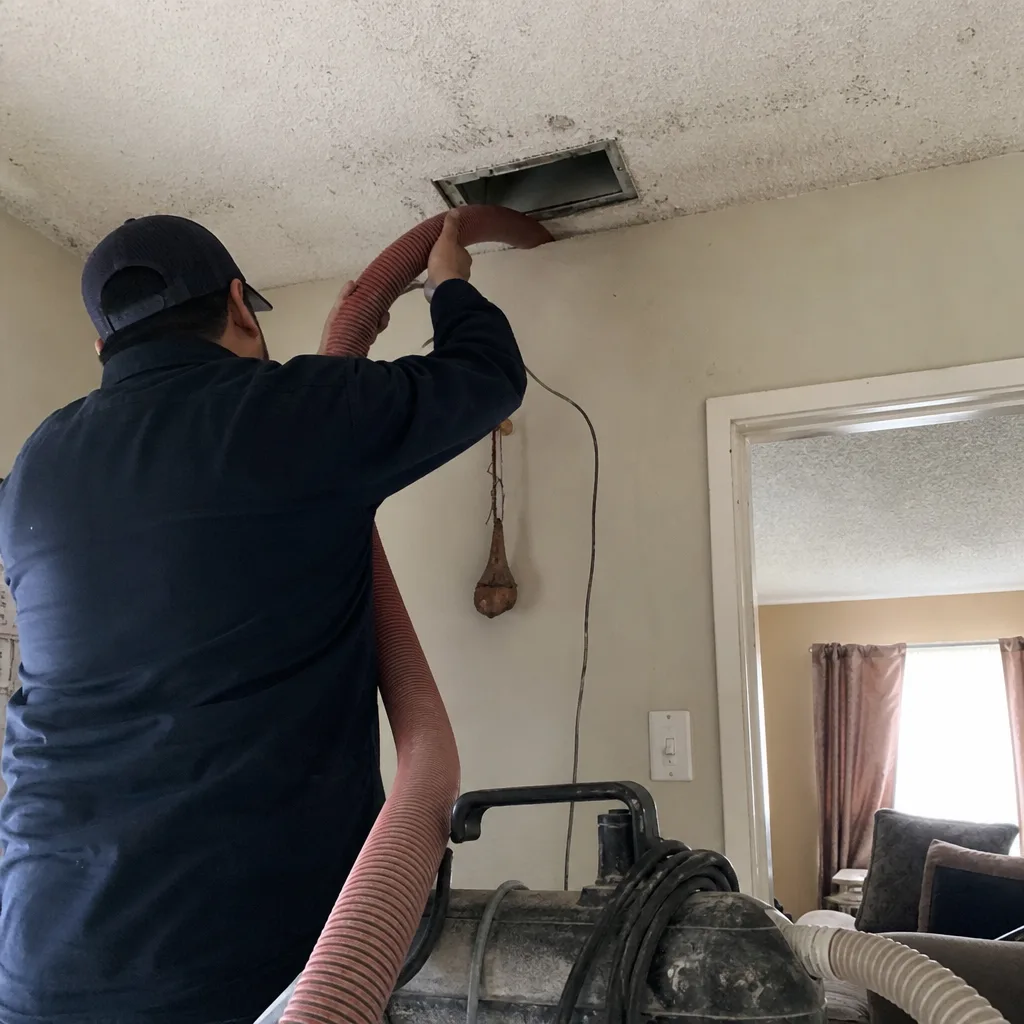 Before
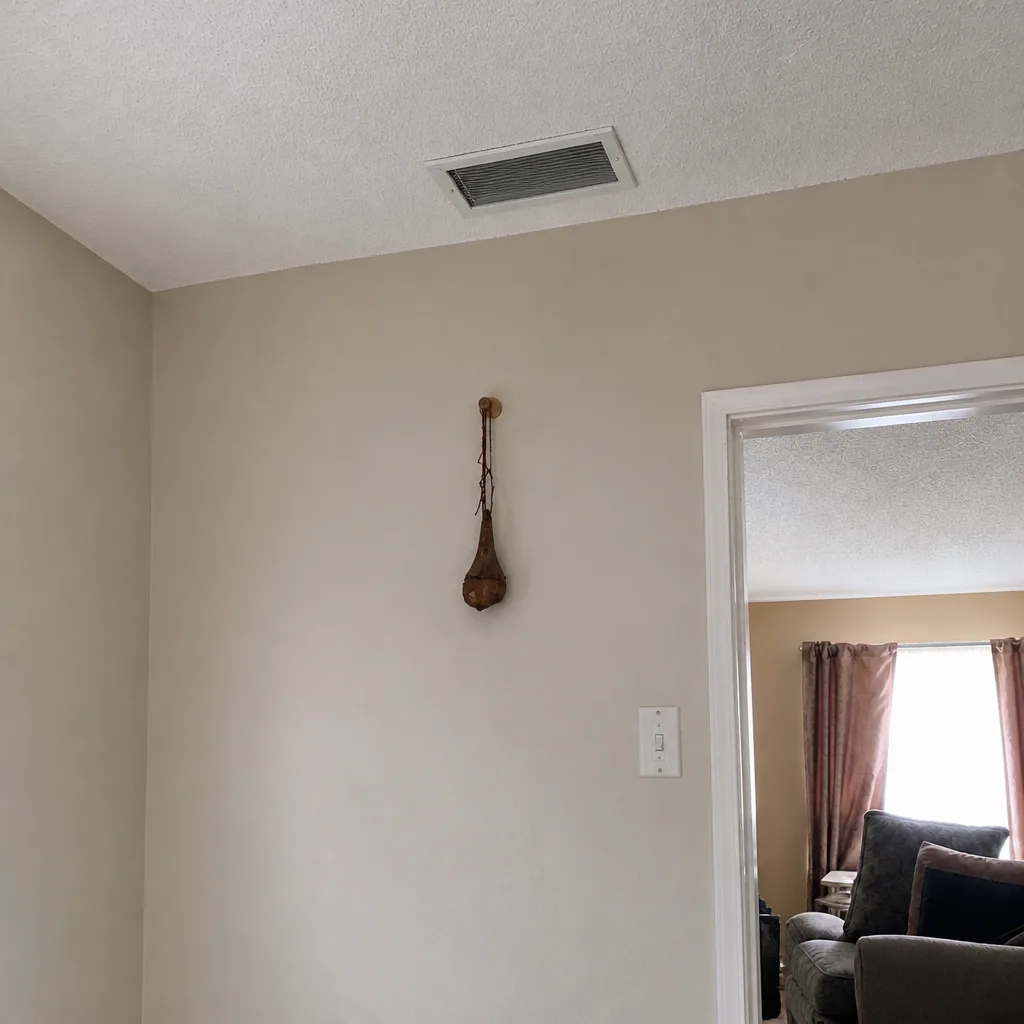 After
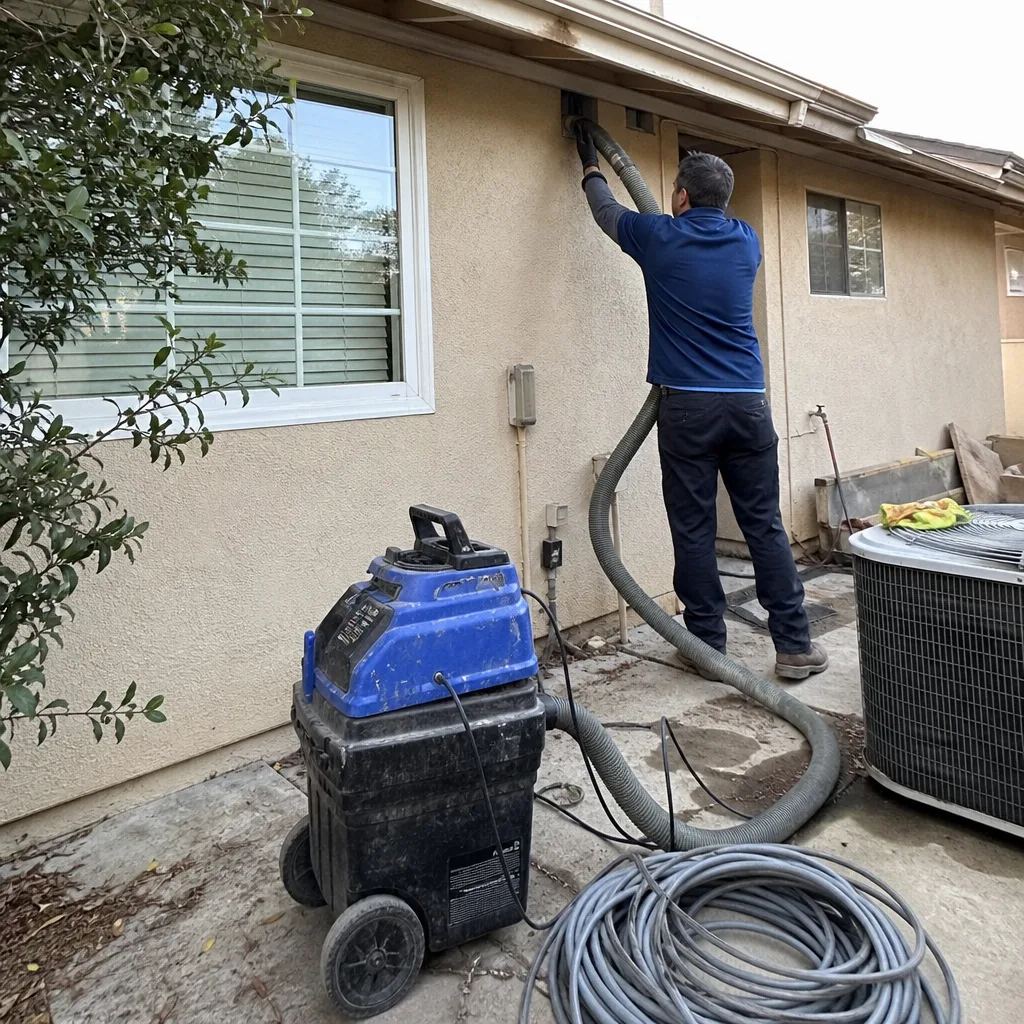 Before
 After
 Before
 After