
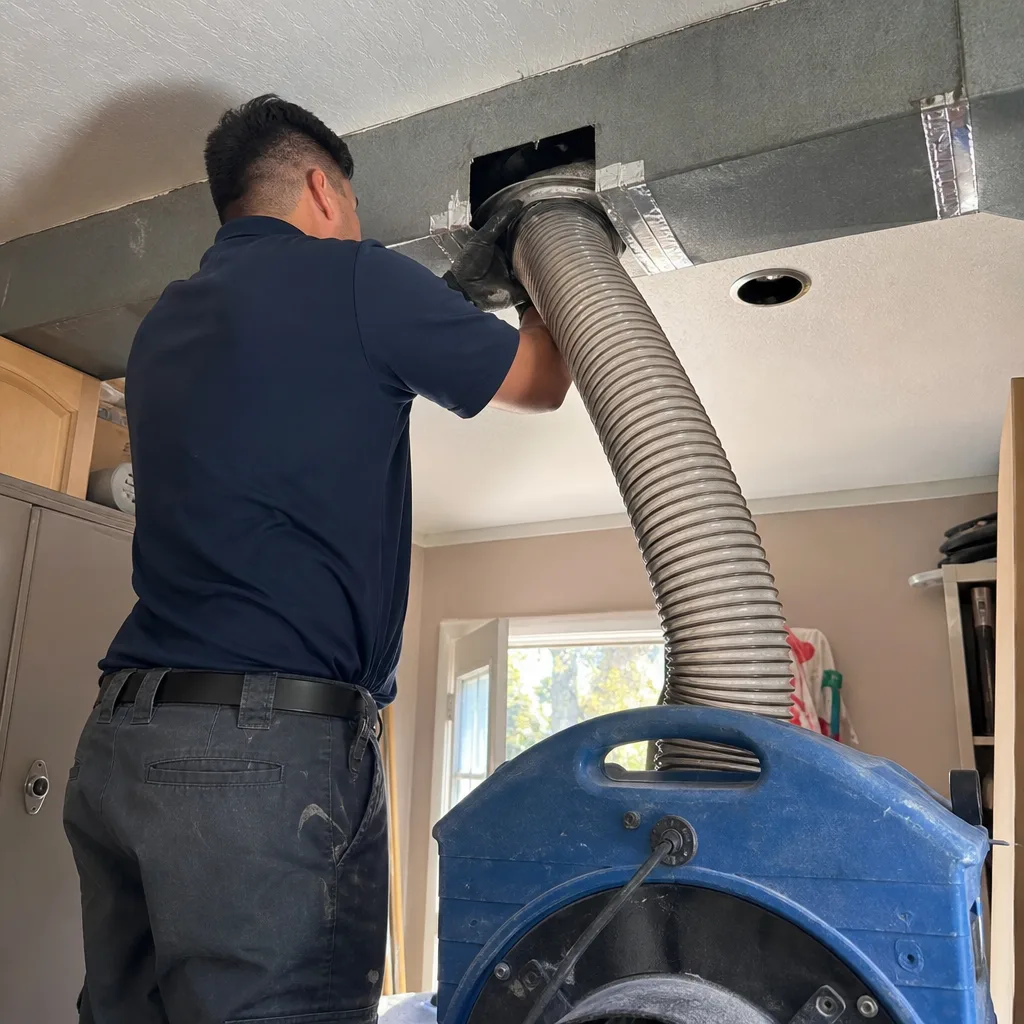
Last updated November 4, 2026
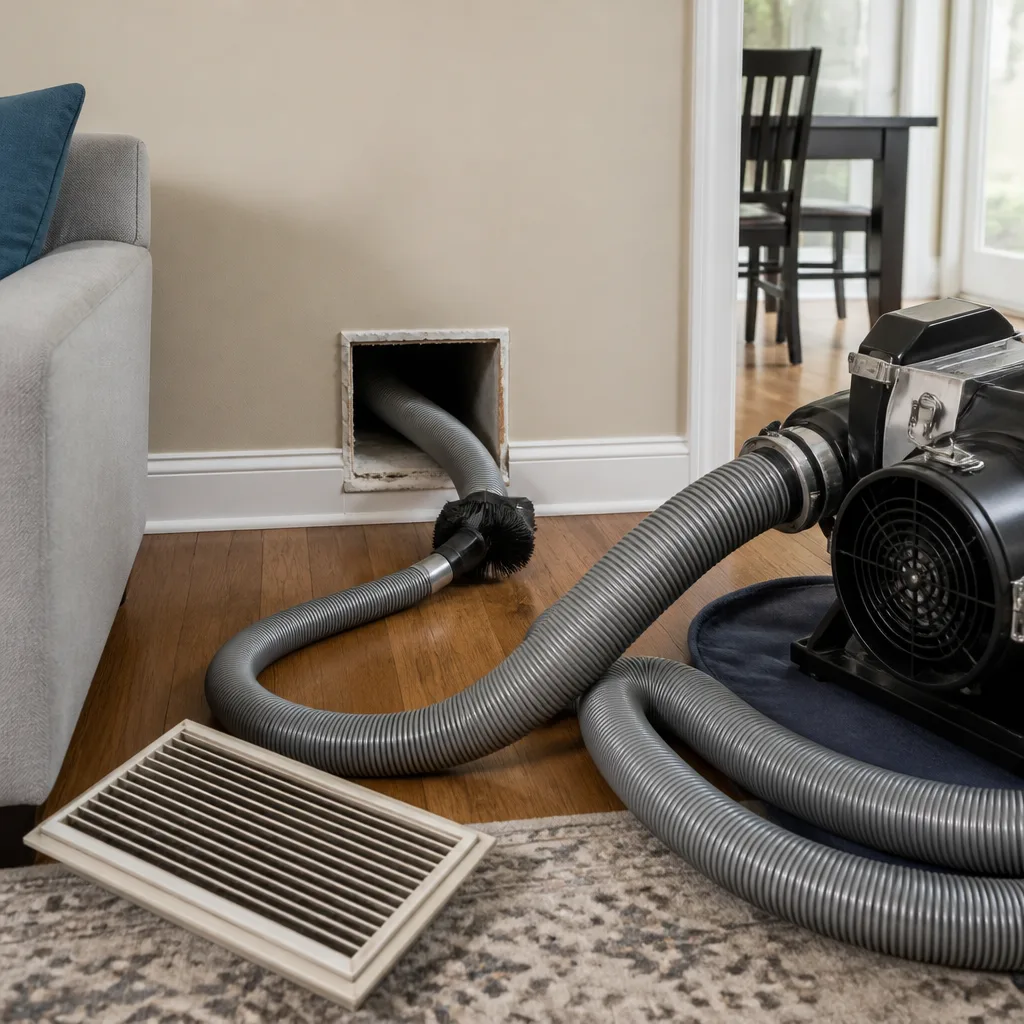 Whole-home duct cleaning
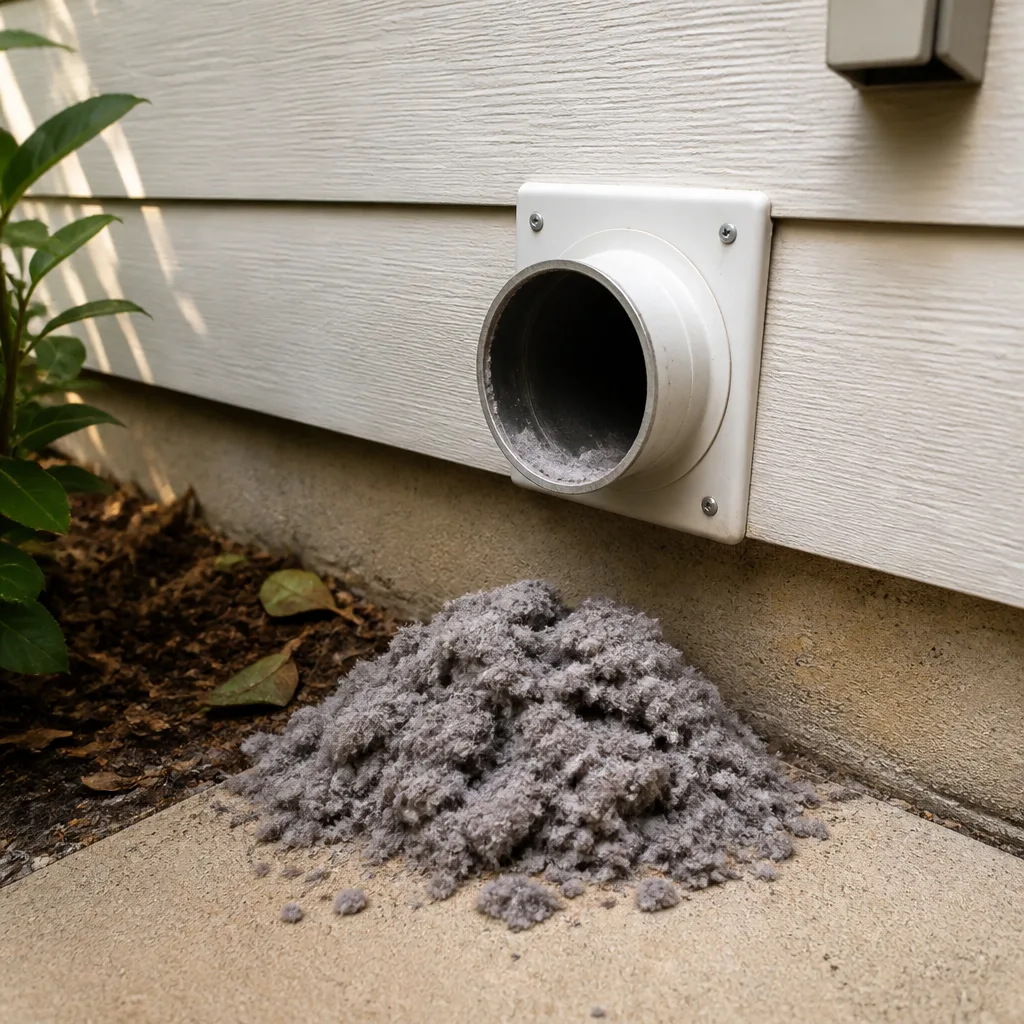 Dryer vent cleaning
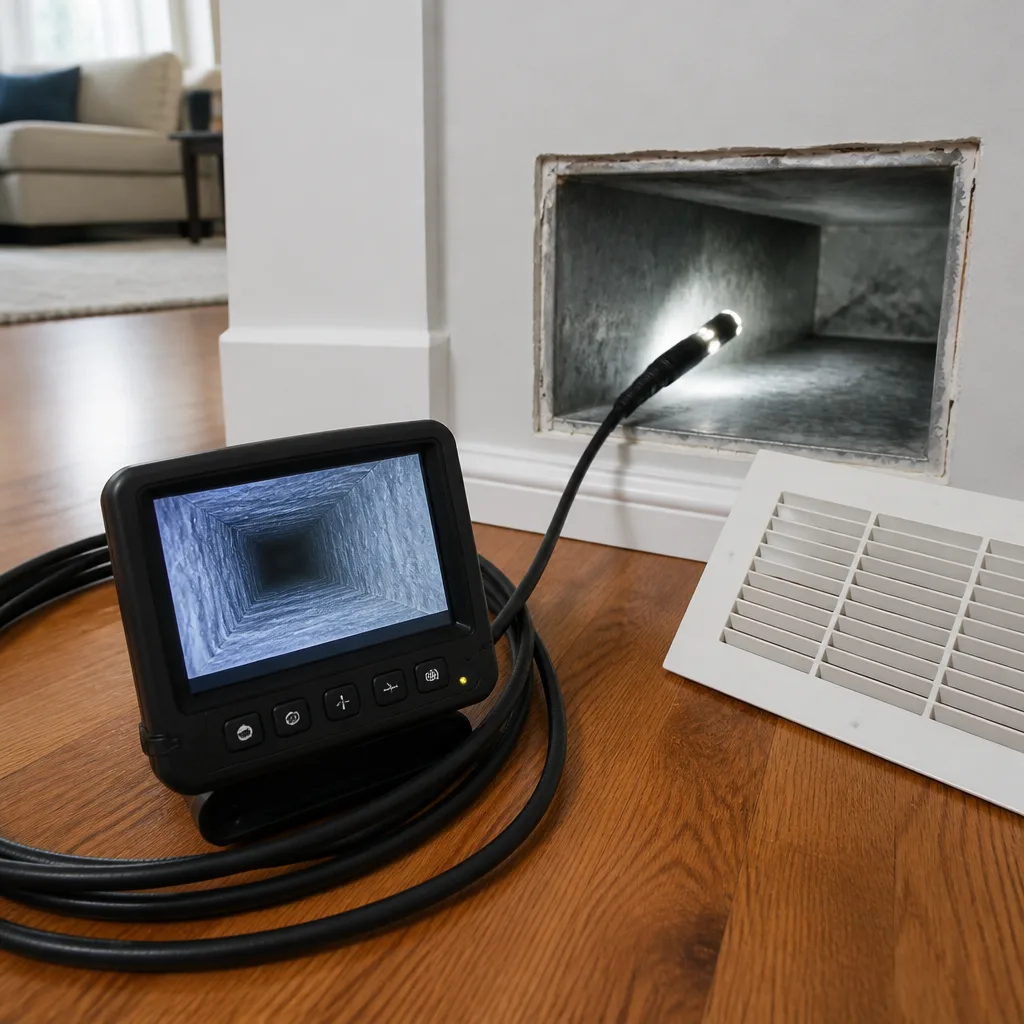 Camera inspection
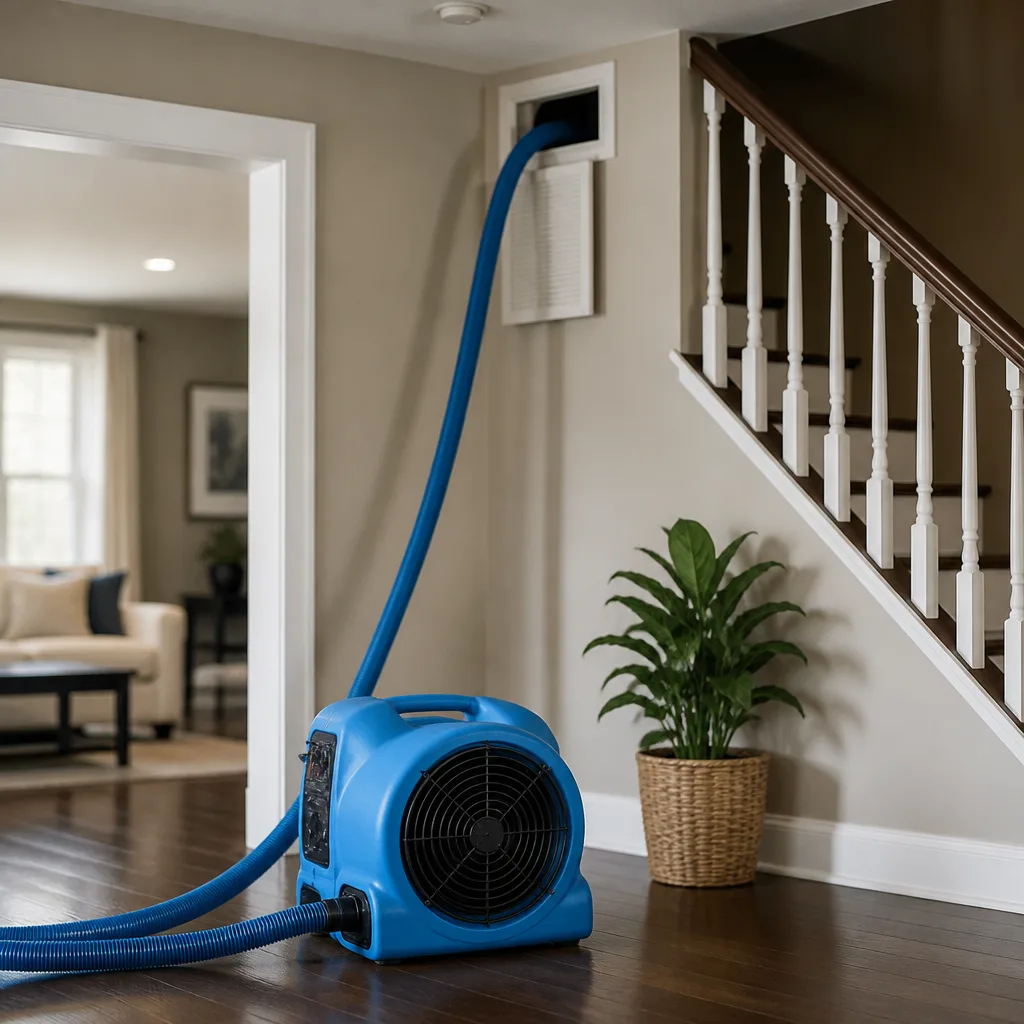 Sanitizing & deodorizing
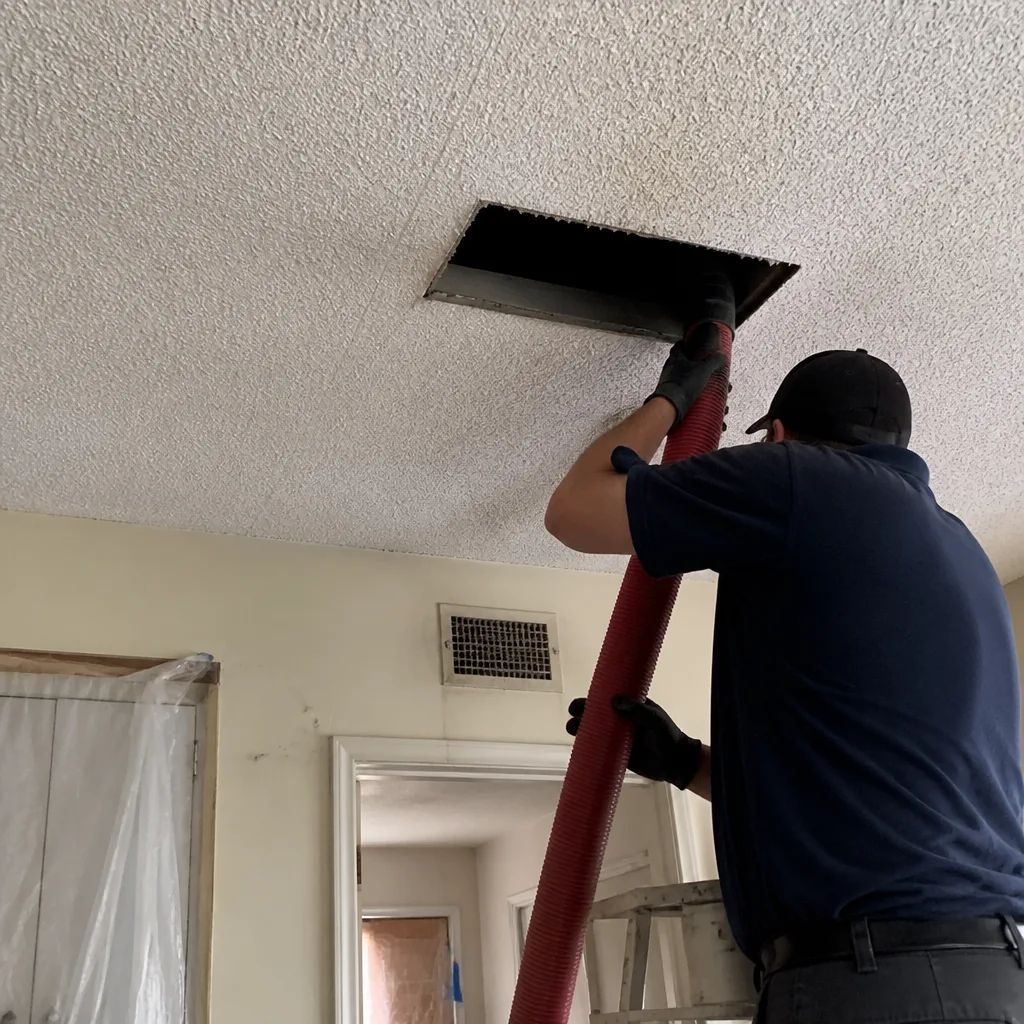
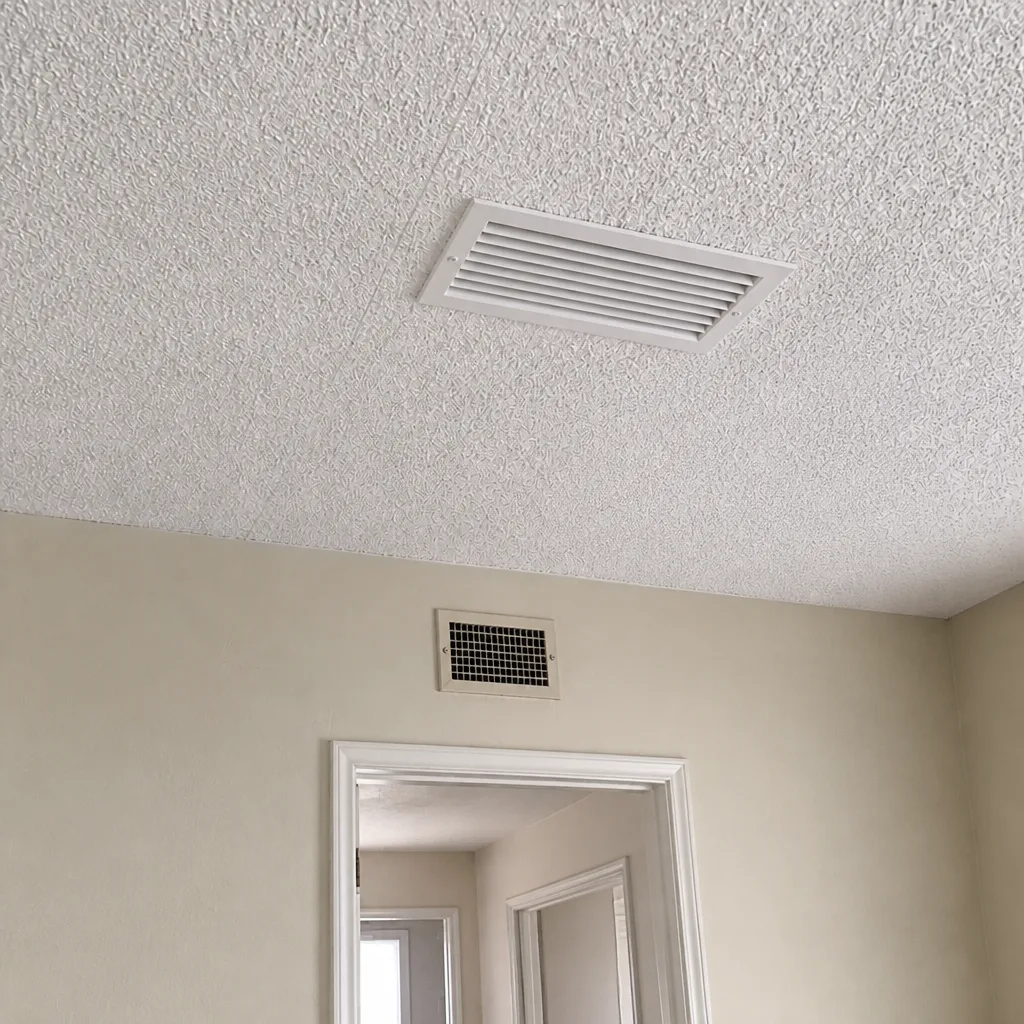
Whole-system duct and dryer vent check with before-and-after photos - you see exactly what came out of your vents
That "$99 whole-house special" is a bait ad - the real number appears once they are in your hallway, or the "clean" is a shop-vac at the register. We photograph the inside of your ducts before and after instead.
DIY vs Professional Air Duct Cleaning: The Simi Valley Homeowner’s Decision Guide
The duct cleaning brush kits sold at home improvement stores are designed to fit in a standard 4-inch supply duct. The main trunk line in a typical Simi Valley home runs 10 to 16 inches across. That size mismatch alone defines the ceiling of what DIY can accomplish. In this guide, we’ll walk through exactly what a homeowner can and cannot physically reach with consumer-grade tools, where a weekend of DIY effort actually pays off, and the specific situations in Simi Valley where calling a professional is the only responsible choice.
Styles & brands we work with
- Whole-home duct cleaning
- Dryer vent cleaning
- Camera inspection
- Sanitizing & deodorizing
Quick Answer
DIY duct cleaning with a shop vac and a brush kit addresses visible debris at register openings but leaves the trunk lines, air handler cabinet, and coil face where particulate actually degrades system performance completely untouched. For Simi Valley homeowners, DIY work is best limited to register grille cleaning, filter changes, and visual inspection of accessible flex runs. A professional visit with rotary-brush extraction equipment physically removes debris from the full duct system rather than redistributing it, and includes the repair capability most cleaning-only competitors do not offer.
Table of Contents
- What DIY Duct Cleaning Can Actually Reach
- What DIY Duct Cleaning Cannot Reach
- The Risks of Improper DIY Duct Cleaning
- Where DIY Maintenance Is Genuinely Useful
- The Economic Comparison: DIY Supplies vs. Professional Access
- Situations Where Professional Cleaning Is Non-Negotiable
- Why Equipment Matters: Rotary-Brush vs. Compressed Air
- Common Mistakes to Avoid
- When to Call a Professional
- Frequently Asked Questions
- The Bottom Line
What DIY Duct Cleaning Can Actually Reach
When a Simi Valley homeowner pulls a register off the wall and looks inside, they’re seeing the first few feet of a supply duct. That’s where a consumer brush kit stops being useful. The geometry of a residential duct system works against the DIY approach from the start.
Here’s what a homeowner with a shop vac, a brush kit, and a flashlight can physically access:
- Register openings and grilles. The visible metal or plastic covers at floor, wall, or ceiling level. Dust and pet hair accumulate on the back side of these grilles and they’re easy to remove and wash.
- The first 3 to 5 feet of straight duct run. From the register opening, a flexible brush rod can push into a straight section of duct and pull loose debris back toward the opening.
- The return air grille. The larger grille where air is pulled back into the system. Its filter slot is designed for homeowner access, and the area behind the filter is reachable by hand.
- Visible flex duct in the attic or crawlspace. If the homeowner can safely move through the attic, they can visually inspect accessible flex runs for sagging, disconnection, or crushed sections.
The honest assessment: these are the entry and exit points of the system, not the system itself. A typical Simi Valley home has anywhere from 30 to 80 linear feet of ductwork, and the overwhelming majority of that length is beyond the reach of any consumer tool.
What DIY Duct Cleaning Cannot Reach
The parts of a duct system where particulate actually degrades performance are the parts no brush kit can touch. Understanding this geometry is the difference between a cosmetic fix and actual system cleaning.
- The main trunk line. In a standard Simi Valley home, the trunk line is a rigid metal or fiberglass duct running 10 to 16 inches across, often along the center of the attic or crawlspace. A 4-inch brush head rattling around inside a 16-inch trunk contacts only a small fraction of the interior surface. Debris in the corners, along the bottom of the trunk, and at branch takeoffs stays put.
- The air handler cabinet. The blower motor, evaporator coil, and drain pan sit inside the air handler. This is where air passes at its highest velocity and where dust, lint, and biological growth accumulate. Accessing the coil face requires removing panels and working around refrigerant lines and electrical components. A homeowner without HVAC training risks damaging these components before they ever clean them.
- The evaporator coil face. The coil is a dense array of aluminum fins, typically 14 to 24 inches tall and 18 to 24 inches wide. Dust packed between these fins acts as insulation, reducing heat transfer and forcing the system to run longer to achieve the same indoor temperature. Cleaning a coil properly requires coil cleaner, fin combs, and an understanding of how much pressure the fins can tolerate before they bend.
- Branch takeoffs and transition points. Where a 6-inch flex duct connects to the main trunk, the connection is a transition fitting with screws, tape, and mastic. Debris collects at these joints because airflow changes direction here. A brush pushed down a flex run stops at the transition and cannot make the turn into the trunk.
- The return air plenum. The box where return air collects before entering the filter and air handler. This space is often lined with insulation that traps particulate and is easily damaged by aggressive DIY scrubbing.
None of this is accessible from a register opening with a brush rod. That’s the structural reality that separates a weekend project from professional air duct cleaning.
The Risks of Improper DIY Duct Cleaning
A homeowner who pushes a brush too far into a duct system can create problems that cost more to fix than the professional cleaning would have cost in the first place. We’ve seen the results of enthusiastic DIY attempts in Simi Valley homes, and the damage follows a predictable pattern.
- Dislodging debris into the air handler. Brushing toward the system rather than away from it pushes loose dust and debris deeper into the ductwork, where it settles into the blower motor, the coil, and the drain pan. The homeowner thinks they’ve cleaned something because the first few feet of duct look better. What they’ve actually done is concentrated particulate into the most sensitive component in the system.
- Puncturing flex duct liner with rigid brush extensions. Flex duct is a wire coil wrapped in a thin plastic or foil liner with fiberglass insulation around it. A rigid fiberglass or metal brush rod pushed through a flex run can catch the coil, tear the liner, or separate the inner sleeve from the insulation. A punctured flex duct leaks conditioned air into the attic or crawlspace. The homeowner might not notice the damage until their utility bill arrives or a room stops cooling properly.
- Disrupting duct seals at joints. Duct sections are joined with screws, tape, and mastic. Years of thermal expansion and contraction make these seals brittle. Shoving a brush through a joint can break the seal, creating a leak that was not there before. A disconnected joint inside an attic is invisible without a full inspection.
- Bending evaporator coil fins. If a homeowner gets far enough to access the coil, the most common mistake is using a stiff brush or too much pressure. Coil fins are thin aluminum, thinner than a credit card, and they bend under finger pressure alone. Bent fins reduce airflow through the coil, which reduces cooling capacity and can cause the coil to freeze. Straightening bent fins is a tedious professional repair, not a quick DIY fix.
- Turning a dirty system into a contaminated one. Disturbing accumulated dust, pollen, and pet dander without extracting it sends those particles airborne. For a family with allergies or respiratory sensitivities in Simi Valley, where windows stay closed through the hot summer months and indoor air recirculates constantly, that’s a real health consequence. The particulate settles back into the ducts, but now it’s been agitated and redistributed throughout the home.
None of these risks mean a homeowner should never touch their ducts. They mean the work has to be scoped properly: register-level maintenance is safe and useful. Anything deeper requires professional equipment and training.
Where DIY Maintenance Is Genuinely Useful
We’re not interested in telling Simi Valley homeowners that every duct task requires a truck and a technician. That’s not true. There is real, valuable work a homeowner can do themselves, and it should be done regularly. The key is knowing where DIY stops being useful.
Here is where a homeowner’s effort genuinely pays off:
- Register and grille cleaning. This is the highest-value DIY task in the entire duct system. Remove the registers, wash them in warm soapy water, let them dry, and put them back. Do this every three to six months. It removes visible debris at the point where air enters the living space and prevents that debris from being blown around the room.
- Filter replacement. A clean filter is the single most important maintenance item for any forced-air system. In Simi Valley’s hot, dry climate, dust loads are high, and a clogged filter restricts airflow to the point where the system works harder than it should. Check the filter monthly during summer cooling season and replace it when it’s visibly loaded. A homeowner with a Honeywell or Aprilaire filtration cabinet should follow the manufacturer’s replacement schedule for that specific unit.
- Visual inspection of accessible flex runs. In a typical Simi Valley attic, some flex runs are visible without moving insulation or crawling through tight spaces. A homeowner can look for obvious problems: a flex run that has sagged off its support, a disconnected takeoff, a crushed section, or visible moisture staining. Catching a disconnected flex duct early means one room stops getting proper airflow, which is a clue that a repair is needed before the system’s efficiency drops further.
- Checking return grille airflow. Place a tissue against the return grille while the system is running. If it’s held firmly in place, the return path is functioning. If it falls, the return is restricted, and the filter is the first thing to check.
These four tasks, done consistently, keep the accessible parts of the system clean and give the homeowner early warning of problems deeper in the ductwork. They do not replace professional cleaning, but they extend the interval between professional visits and they give the homeowner a baseline understanding of how their system behaves.
The Economic Comparison: DIY Supplies vs. Professional Access
The cost argument for DIY duct cleaning usually goes like this: a brush kit costs $30, a shop vac rental costs $25, and a weekend of labor is free, so the homeowner saves hundreds. That math misses the point. The question is not what the DIY attempt costs. The question is what the DIY attempt buys.
A typical supply run for a DIY duct cleaning attempt looks like this:
- Brush kit with flexible rods: $25-$45. Designed for 4-inch ducts, limited reach, and no extraction capability.
- Shop vac rental or purchase: $25-$50. A standard wet/dry vac does not generate the static pressure of professional extraction equipment and cannot reach beyond the first few feet of duct.
- Basic tools and supplies: $20-$30. Flashlight, screwdriver for register removal, cleaning rags, replacement filter.
- Time investment: 4-6 hours for a first attempt. That includes attic access, register removal, cleaning, and reassembly.
Total: roughly $70-$125 and half a day. The result: visibly cleaner registers and the first few feet of duct. The trunk line, air handler, coil, and branch runs remain untouched.
A professional visit delivers different access. A rotary-brush system runs a powered brush through the full duct system while a high-static vacuum extracts debris at the point of agitation. The trunk line is accessed through service openings cut and sealed by the technician. The air handler cabinet is opened and inspected. The coil face is cleaned. Flex runs are brushed and vacuumed to their full length. Leaks, damage, and disconnections found during the work are documented, and our team can perform dryer vent cleaning or air duct repair on the same visit instead of sending the homeowner to find another contractor.
The honest economic comparison is not $100 versus $500. It’s $100 for a cosmetic improvement versus a professional visit that actually cleans the system the homeowner set out to clean. One is a weekend project. The other is service.
Situations Where Professional Cleaning Is Non-Negotiable
There are conditions in a Simi Valley home where no amount of DIY effort is appropriate, and a professional with the right equipment is the only reasonable call. These are not preference issues. They are situations where the contamination or damage is beyond what a consumer tool can address.
- Post-wildfire smoke intrusion. Simi Valley sits in a region where wildfire smoke events are a recurring reality. Smoke particulate is extremely fine, under 2.5 microns, and it penetrates deep into duct systems, settling into the air handler, the coil, and the insulation lining. This particulate cannot be brushed out of a register opening. It requires full-system extraction with HEPA filtration. If a home has been through a smoke event, professional cleaning is the only answer.
- Visible mold at registers or inside accessible duct sections. If a homeowner can see microbial growth on the inside of a register boot or on the first section of duct, that growth is almost certainly present deeper in the system. Mold inside ductwork is a remediation situation, not a cleaning situation. Abatement Technologies equipment is designed for exactly this kind of contaminated environment, and a company without that capability is not equipped to handle the job properly.
- Rodent intrusion evidence. Droppings, nesting material, or visible damage in flex duct mean an animal has been living or traveling in the system. The debris left behind is hazardous, and the duct damage needs to be found and repaired. This is a professional cleaning and repair job, full stop.
- Post-renovation particulate. Drywall dust, sanding dust from flooring work, and construction debris fill a duct system during remodeling and don’t leave on their own. Drywall dust in particular is abrasive and fine enough to pass through a standard filter and into the blower motor. A renovation done with the HVAC system running pulls that particulate through the entire system. Professional extraction is required before the family moves back into full-time use of the home.
In each of these situations, the consequence of inadequate cleaning is not cosmetic. It’s a system that continues to circulate contamination through the home, and a family that keeps breathing what they thought they cleaned.
Why Equipment Matters: Rotary-Brush vs. Compressed Air
Not all professional cleaning is equal, and the homeowner should understand what separates a real cleaning from a blowout. The distinction comes down to the equipment on the truck.
Some companies use compressed air only: a wand pushes high-pressure air through the ducts, and the debris is blown toward a vacuum at the far end or simply disturbed and blown through the registers into the home. Compressed air can dislodge loose material, but it does not physically remove adhered debris from duct walls. The fine particulate that matters most, the dust that has been packed onto duct surfaces over years, stays in place or becomes airborne.
Rotary-brush extraction works differently. A motorized brush head rotates against the duct walls while a high-static vacuum pulls the dislodged debris out of the system at the point of agitation. The brush makes physical contact with the interior surface, and the vacuum captures the material rather than pushing it elsewhere. We run Rotobrush and Nikro rotary-brush-and-vacuum rigs, the same equipment specified by indoor air quality industry standards, because the brush does the work that air pressure alone cannot do.
The homeowner who understands this distinction can ask a direct question when comparing companies: what kind of equipment are you running, and does it extract debris at the point of agitation? The answer tells them most of what they need to know about what they’re actually buying.
Common Mistakes to Avoid
- Assuming a brush kit cleans the whole system. A 4-inch brush head in a 10-to-16-inch trunk line cleans a narrow path along the bottom of the duct and nothing else. The homeowner ends the weekend with clean registers and a trunk line that’s still carrying years of accumulated debris.
- Brushing toward the air handler. The instinct is to push the brush as far into the duct as possible, which pushes debris toward the coil and blower. The right direction for manual work is always from the register back toward the opening, pulling debris out, never in.
- Using a leaf blower to “blow out” the ducts. This sends a cloud of particulate through the system and into the living space. The ducts may look cleaner for a few weeks, but the material has moved into the air handler, the coil, and the rooms where the family sleeps.
- Ignoring the return side. Homeowners focus on the supply ducts where they see dust at the registers. The return side moves the same volume of air and carries a heavier particulate load because it’s pulling from the living space. A return system that’s never cleaned is a reservoir of dust that feeds back into the air handler continuously.
- Reusing a disposable filter after cleaning it. Disposable filters are designed for one service interval. Washing one and putting it back in the system degrades the media and reduces filtration efficiency to nearly nothing. Replace them.
- Pushing a brush into a flex duct with any force. Flex duct liner is not rigid. Once the liner tears or the insulation sleeve separates, the duct leaks conditioned air and the repair requires opening the run and replacing the section. The cost of that repair exceeds the cost of a professional cleaning.
- Assuming no visible dust means a clean system. The dust that matters most is not visible. Fine particulate under 10 microns settles in the air handler and coil where it degrades efficiency and circulates through the home without ever being seen at a register. A system can look clean at every grille and still be heavily loaded internally.
When to Call a Professional
The decision framework is straightforward. If the task is register cleaning, filter replacement, or visual inspection of visible flex runs, the homeowner can and should do that work themselves. If the task involves the trunk line, the air handler, the coil, the return plenum, or any situation involving smoke intrusion, mold, rodent activity, or renovation debris, the homeowner needs professional equipment and trained technicians.
We work throughout Simi Valley with rotary-brush extraction rigs, and we bring repair capability to every visit instead of documenting problems and telling the homeowner to call someone else. We are familiar with Honeywell and Aprilaire systems and clean around them, not past them. If contamination is the concern, we have the abatement-grade tools to address it properly. Duct Cleaning Simi Valley offers free estimates in Simi Valley. Call (855) 353-2270. We answer 24/7. Fast dispatch from 7am to 7pm, Sunday through Friday.
Frequently Asked Questions
DIY duct cleaning is worth it only for the tasks a homeowner can safely and effectively do themselves: cleaning register grilles, replacing filters, and visually inspecting accessible flex runs. The trunk line, air handler cabinet, and evaporator coil, which is where particulate actually degrades system performance, are beyond the reach of consumer tools and require professional rotary-brush extraction equipment.
Professional air duct cleaning in Simi Valley is priced per job by written estimate, not by a per-vent rate. The cost reflects the size of the system, the accessibility of the ductwork, and the level of contamination present. Every estimate is free, and the written estimate sets the final price before any work begins. Call (855) 353-2270 for an exact quote.
A shop vac can clean the first few feet of duct from a register opening and remove loose debris at the return grille. It cannot reach the main trunk line, the air handler, or the coil, and it does not generate the static pressure needed to extract debris from deep inside the system. Using a shop vac on the visible portions of the ductwork is reasonable maintenance. Calling it a full duct cleaning overstates what the tool can do.
Check the return grille filter, the inside of the register boots, and any visible flex runs in the attic. If the filter is loading up quickly, if there’s visible dust buildup on the inside of the register boots, or if a renovation or wildfire smoke event has occurred in the home, the ducts likely need professional attention. A professional inspection with a camera or visual access to the air handler will confirm what a homeowner can only guess at from the register level.
Duct cleaning removes accumulated particulate, including pollen, pet dander, and dust mite debris, from the surfaces where it settles and recirculates. For allergy sufferers in Simi Valley, where homes stay closed through the hot months and the HVAC system is the primary air circulator, a clean duct system reduces the total particulate load in the indoor air. It’s not a cure for allergies, but it’s a meaningful reduction in one of the largest reservoirs of irritants in the home.
Professional duct cleaning done with rotary-brush extraction equipment and trained technicians does not damage the system. Improper DIY efforts using rigid brush rods, excessive force, or leaf blowers can puncture flex duct liner, disrupt seals, bend coil fins, and push debris into the air handler. The damage risk comes from the wrong tools and the wrong technique, not from professional cleaning itself. For more about the region where we work, visit our page on Simi Valley.
The Bottom Line
A homeowner in Simi Valley who cleans their registers, changes their filters on schedule, and inspects the visible portions of their ductwork is doing the maintenance that’s in their hands. That work has real value and should continue. But the actual cleaning of the trunk line, air handler, coil, and full flex runs is a professional job, not a weekend project. The equipment that does that work properly rotates a brush against the duct walls and extracts debris at the point of agitation. The companies that do it well also repair what they find. Anything less leaves the system looking cleaner at the edges while the core of it stays dirty, and that’s the exact outcome the homeowner was trying to avoid.
Written by the team at Duct Cleaning Simi Valley, serving Simi Valley since 2013.
See the difference
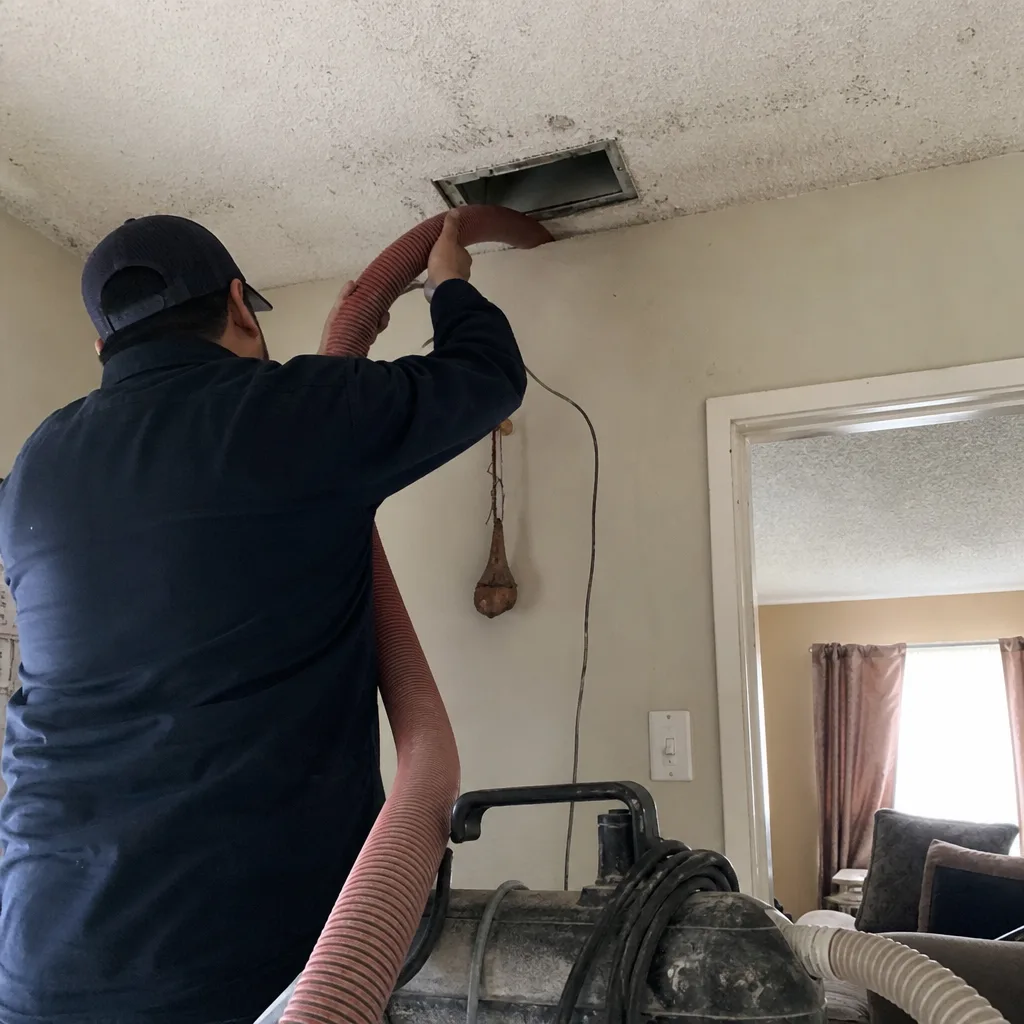 Before
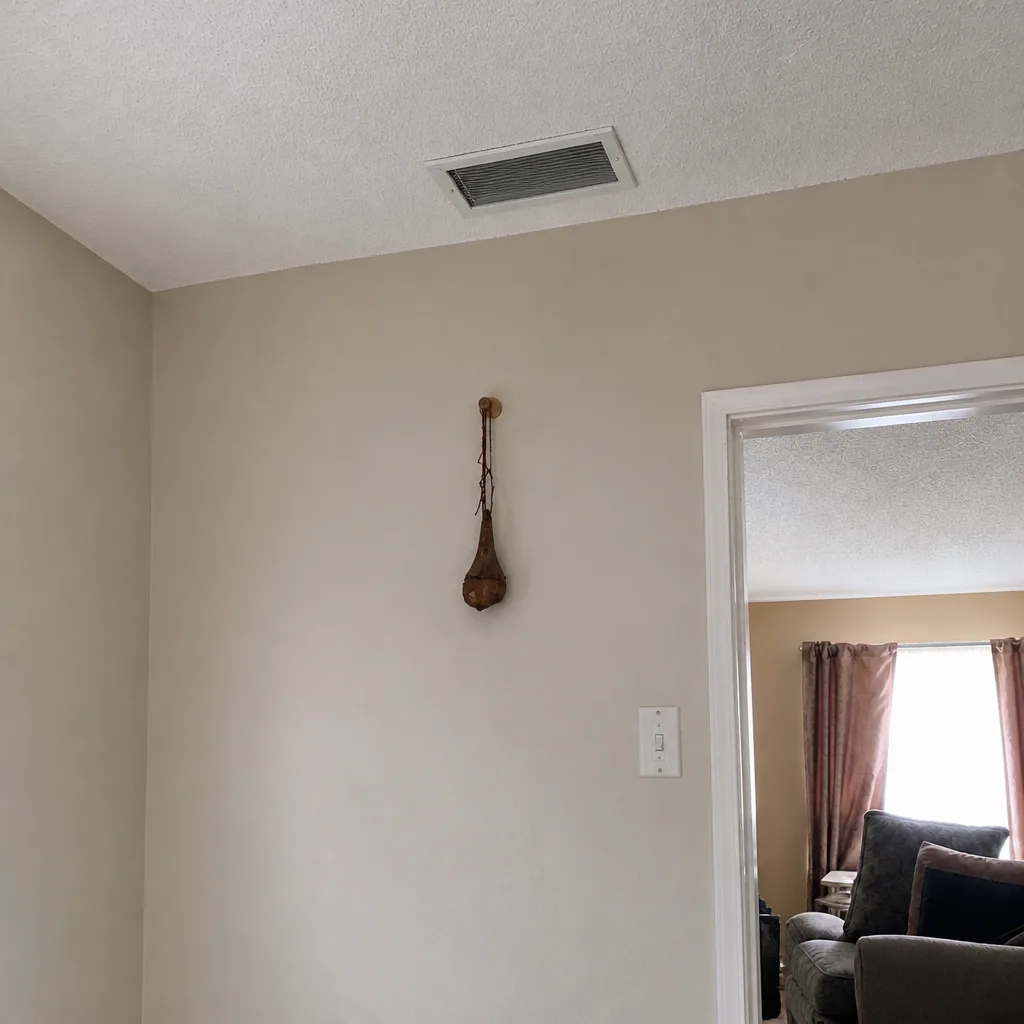 After
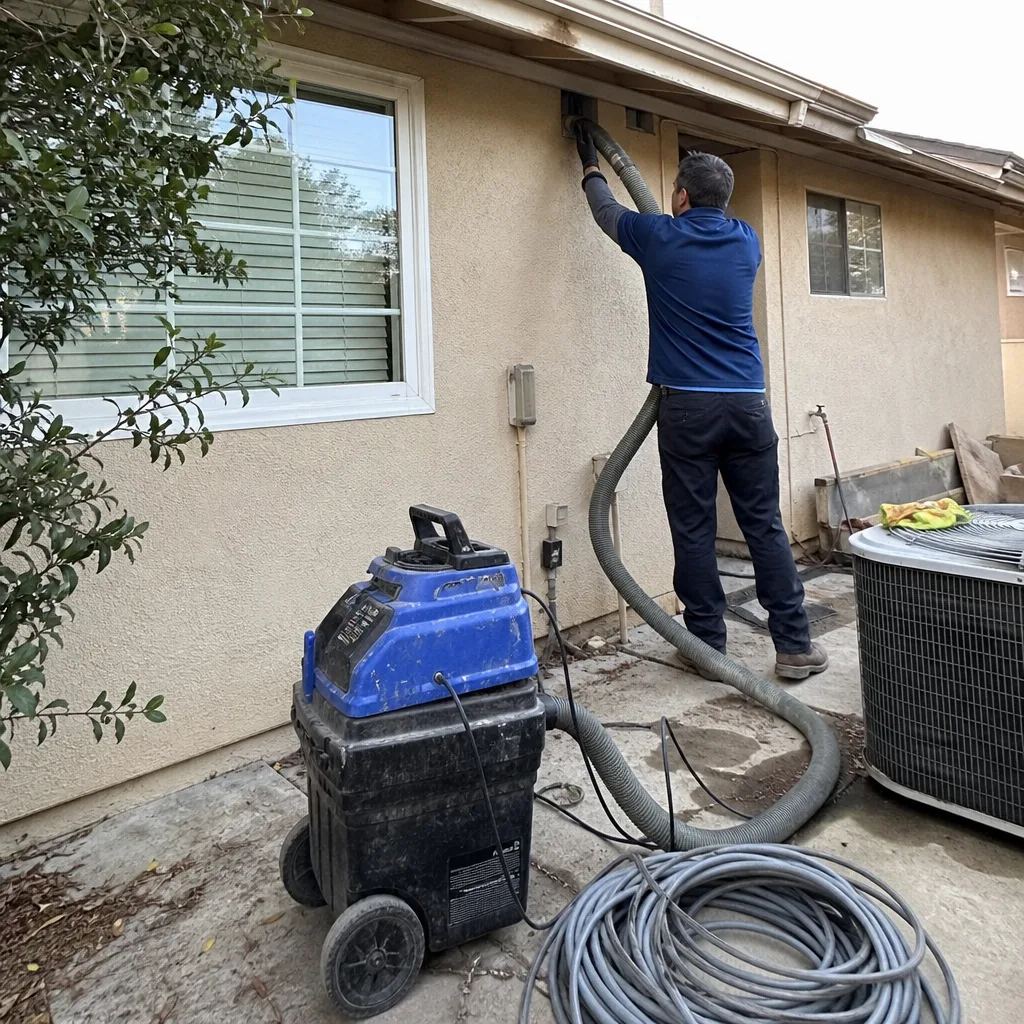 Before
 After
 Before
 After